Fufu "Ugandan Style"
Fermented Cassava & Matooke -
A Gut-Friendly Twist on a West African Classic

Fufu is a beloved staple across West Africa, especially in countries like Ghana, Nigeria, and Ivory Coast. Traditionally, it’s made by boiling starchy roots such as cassava, yam, or plantains and pounding them into a smooth, stretchy dough. In many places, the mixture is fermented before cooking, giving it a mild tang and powerful health benefits.
At BODY&SOIL, we were inspired by this West African tradition but wanted to create a version using two of Ugandas local staples — matooke (green plantains) and cassava. The result is a soft, nourishing fufu with a gentle sourness that’s both familiar and new.
Fermentation not only deepens the flavor but also improves digestion and nutrient absorption. It supports gut health, which is essential for a strong immune system, balanced hormones, and overall wellbeing. Across Uganda, people have long fermented millet and sorghum to make nutritious porridges, proof that traditional fermentation is part of this countries food heritage too.
This fufu is our way of reconnecting with those roots, taking wisdom from across Africa and grounding it in the foods that grow right here in our soils.
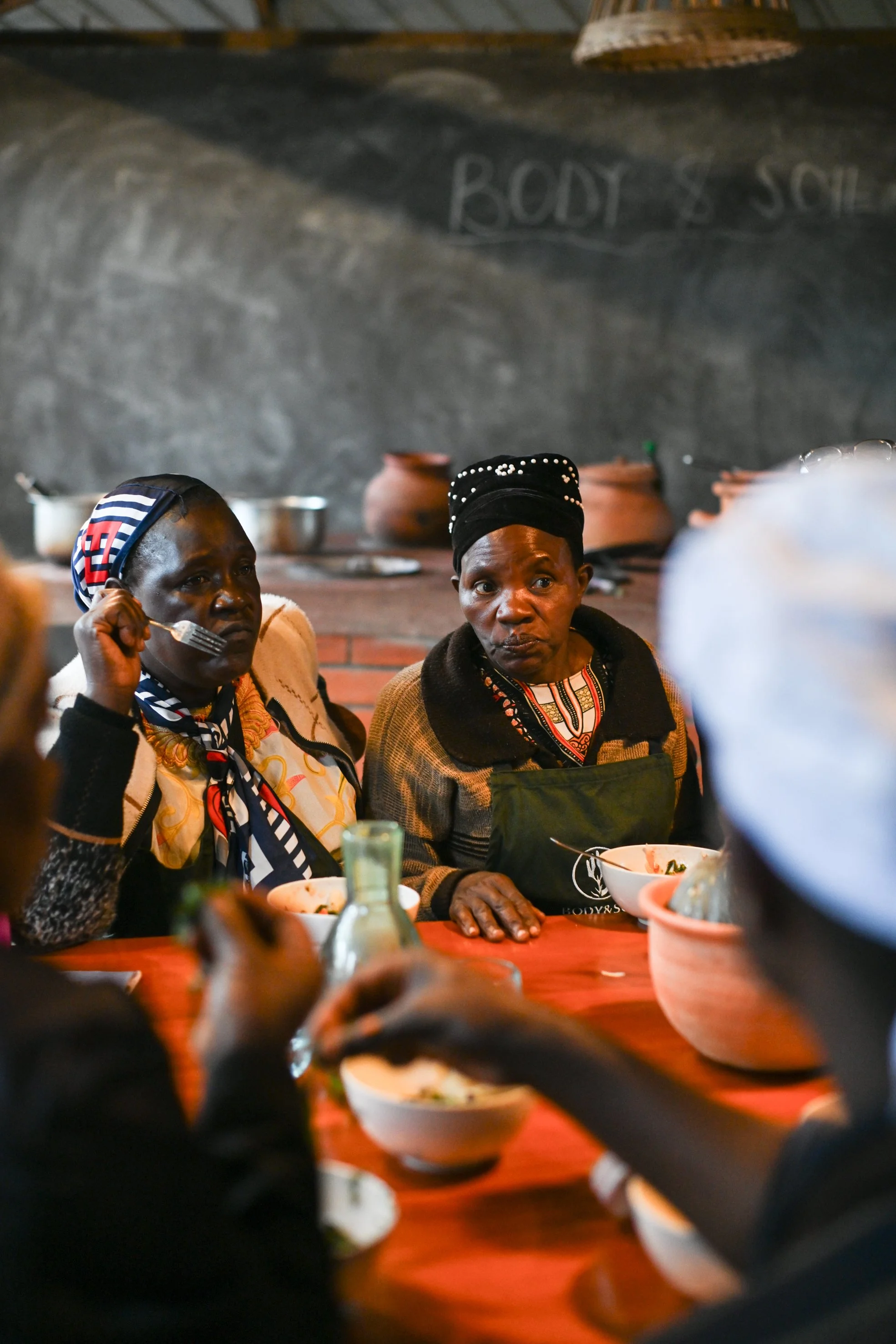
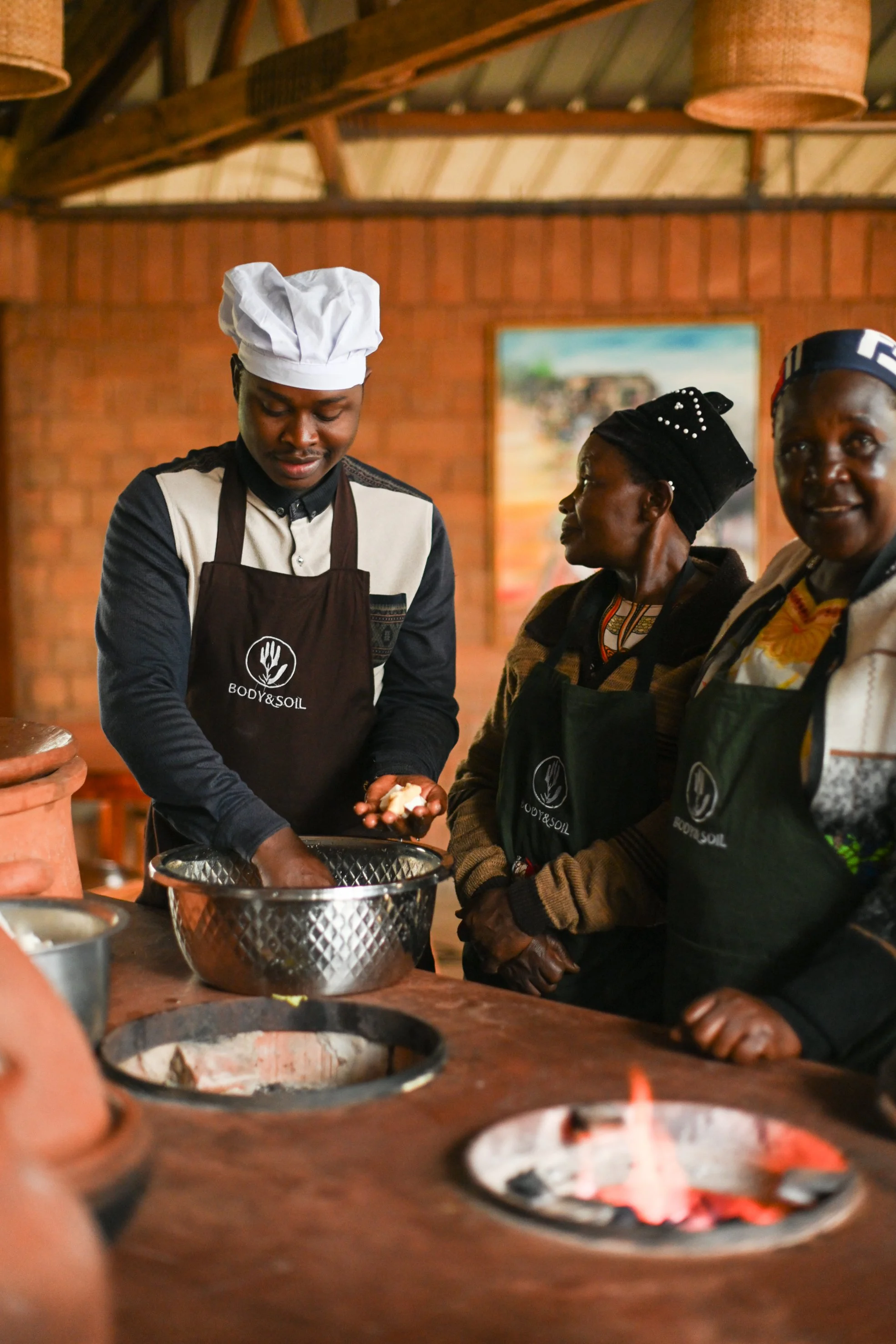
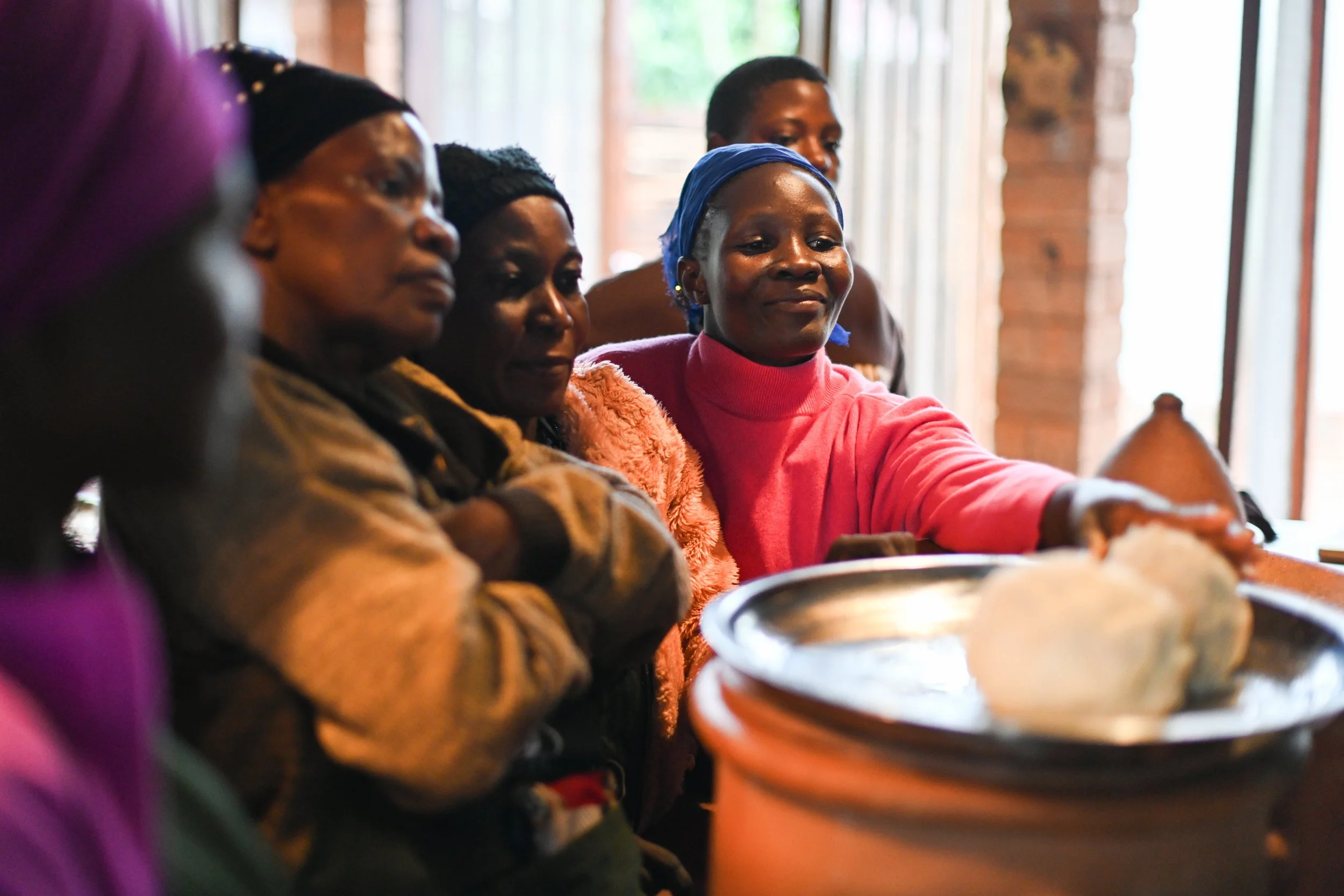
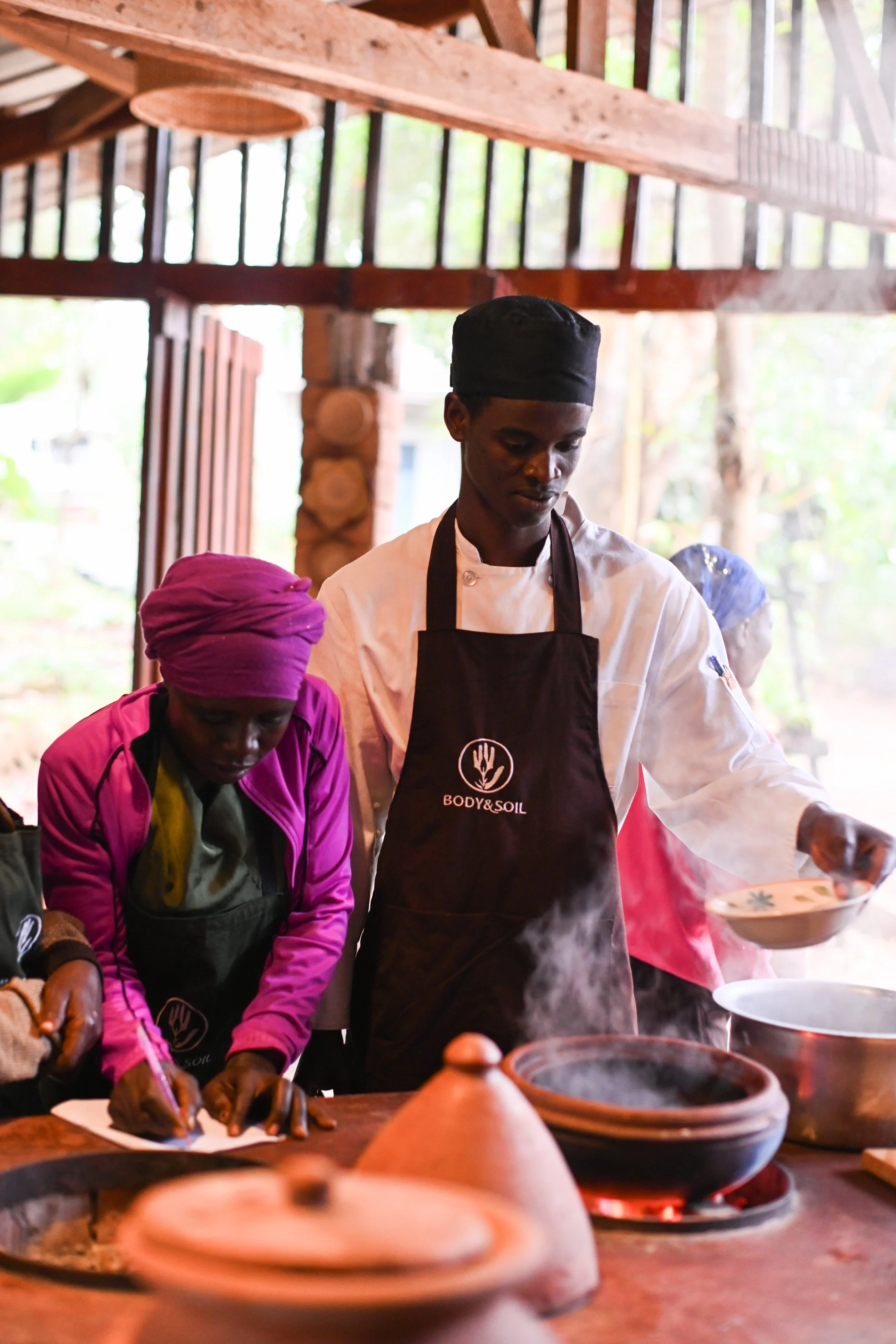
We prepared this dish with women from the surrounding comunities, in our BODY&SOIL classroom kitchen at the RUCID Organic College. To all of them fufu was new, and everybody loved it!
Servings 4–5 people
Fermentation: 2–3 days
Preparation: 15 minutes
Cooking: 25–30 minutes
Ingredients
4 cups peeled cassava chunks
3 medium green matooke (plantains)
3–4 cups clean water (for blending and cooking)
Method
Step 1: Ferment (2–3 Days) the longer you ferment, the more sour the taste will be.
Peel the cassava and matooke, cut into chunks, and place in a clean container or bucket.
Add enough water to fully cover the pieces. Cover lightly and leave to ferment at room temperature for 2–3 days — until the mixture is slightly soft and has a pleasant sour aroma.
Step 2: Wash and Blend
Drain the sour water and rinse the cassava and matooke thoroughly. Transfer to a blender, add 2–3 tablespoons of clean water, and blend into a smooth, thick paste.
Step 3: Drain and Form the Paste
Pour the blended mixture into a clean cloth or fine sieve. Drain excess water until you have a thick, firm dough that can hold its shape but is still soft enough to break apart.
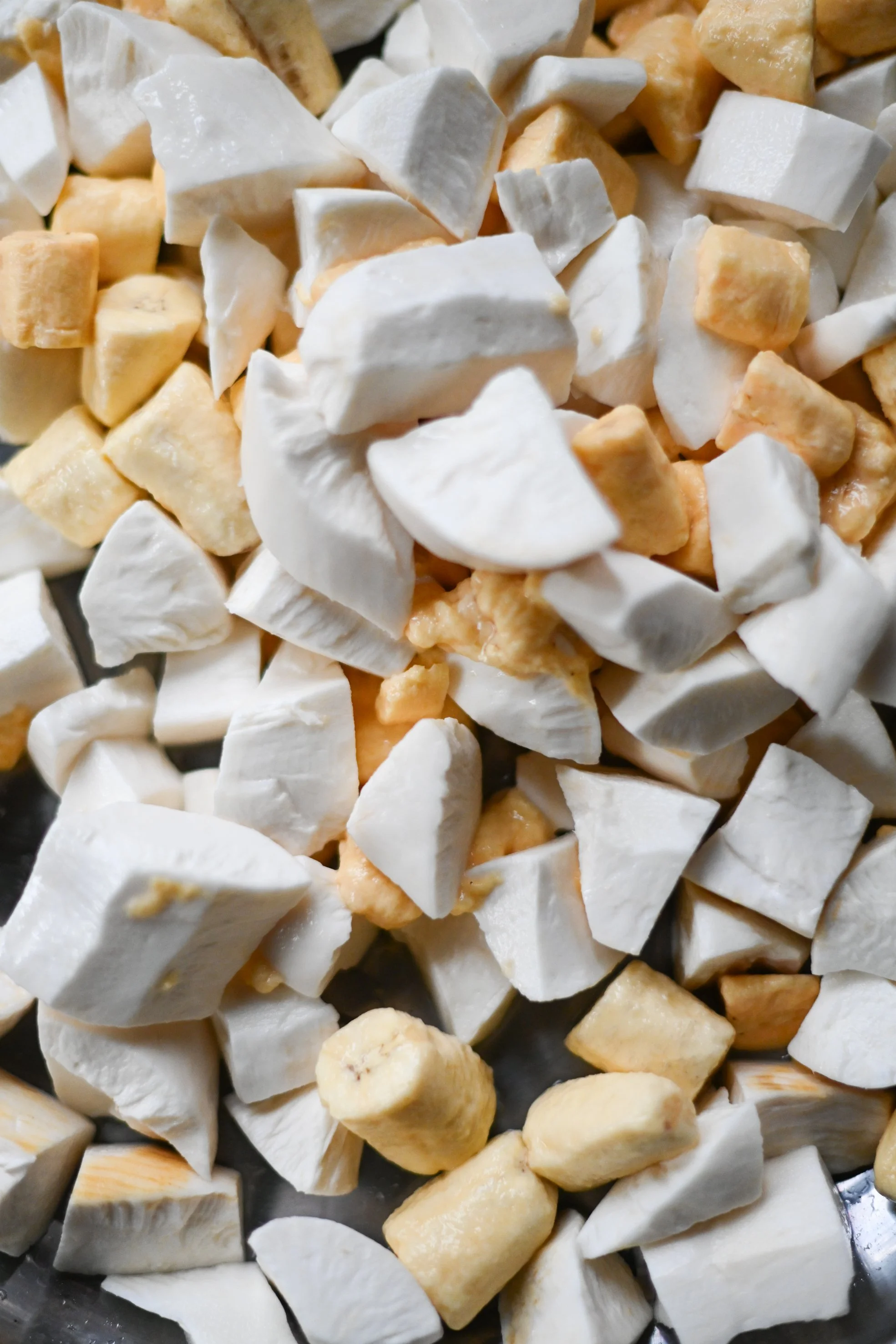
Matooke and Cassva after being fermented for two days.
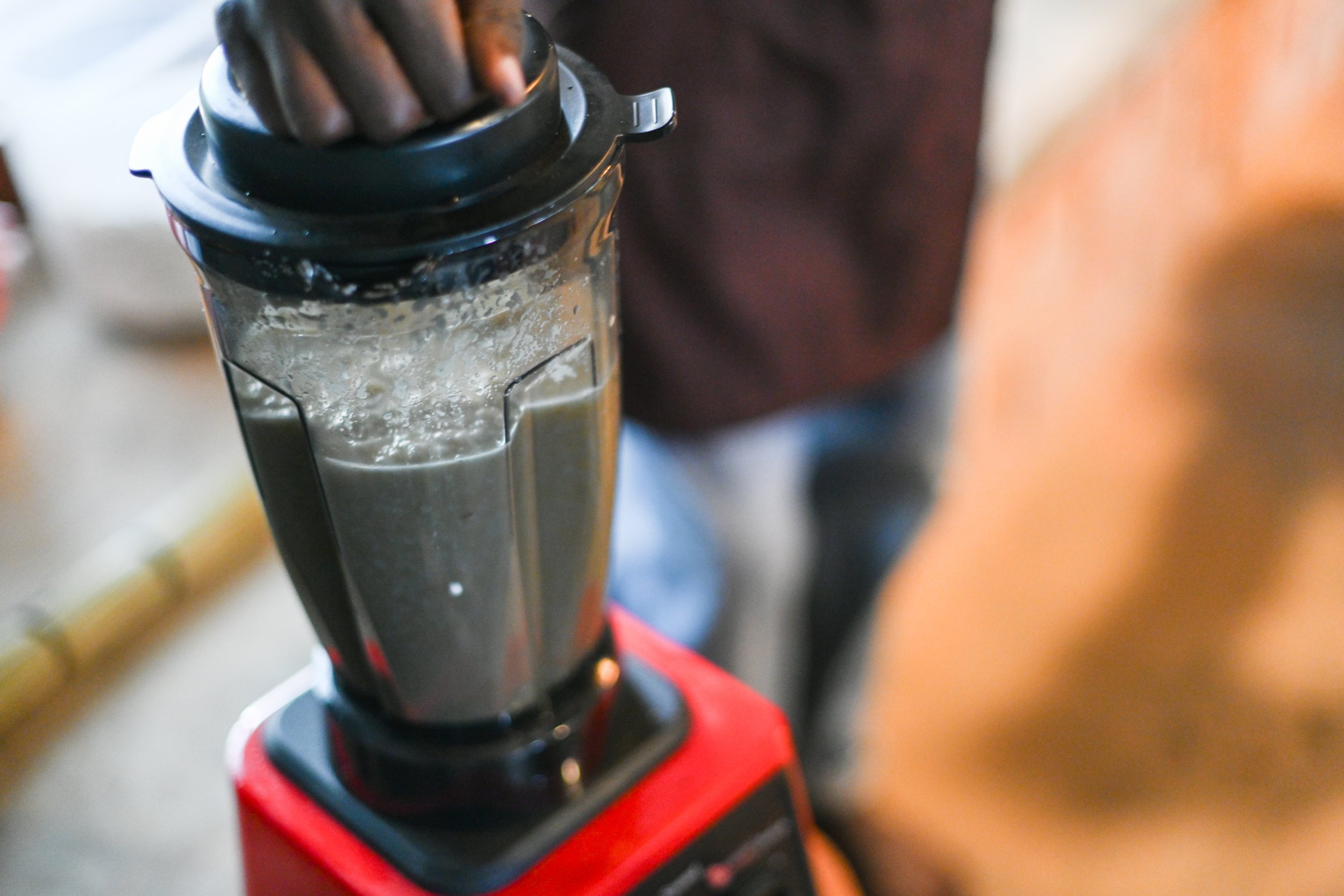
After rinishing in clean water, blend or pound your fermented matooke and cassva to a paste.
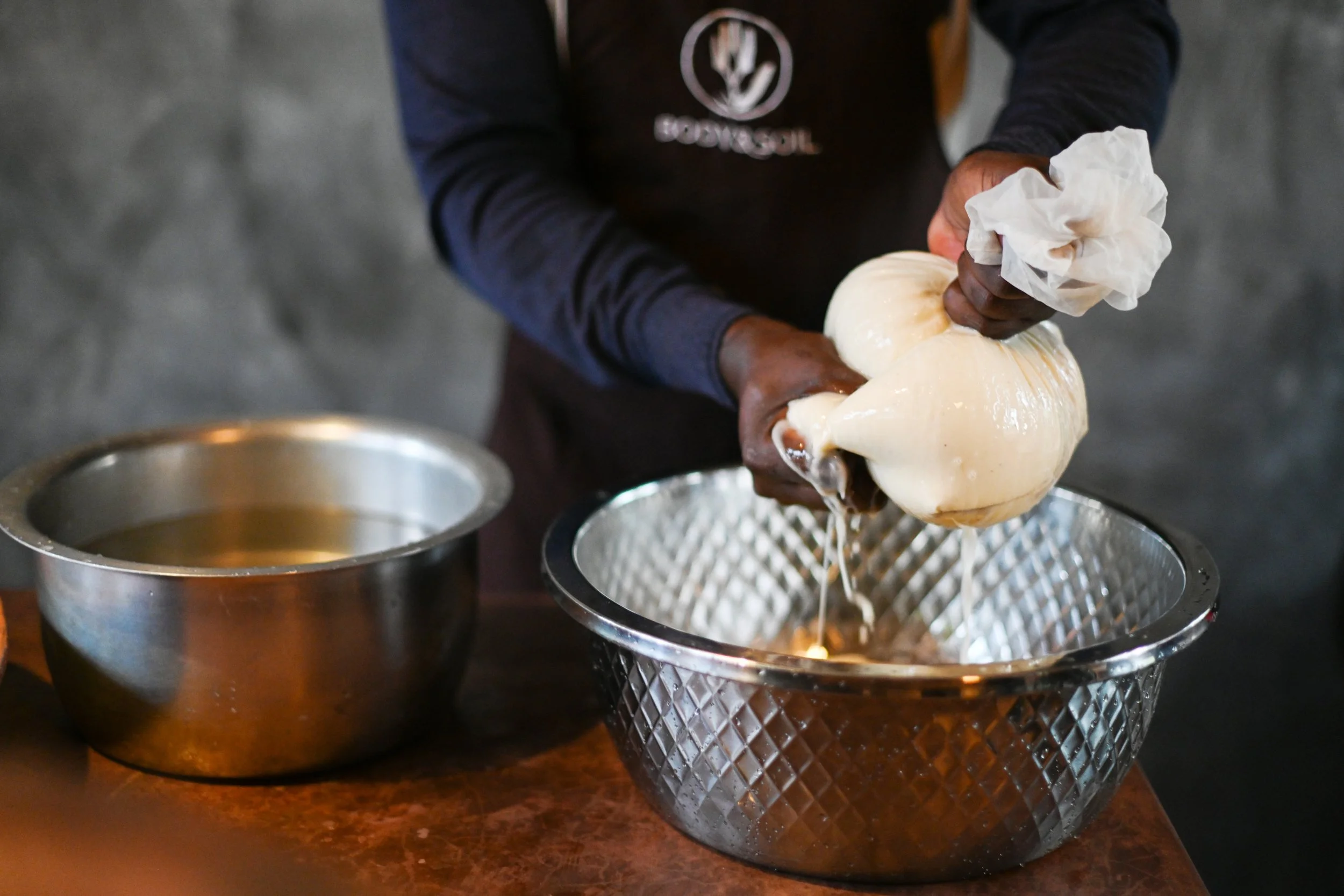
Drain off excess water until you have a thick, firm dough.
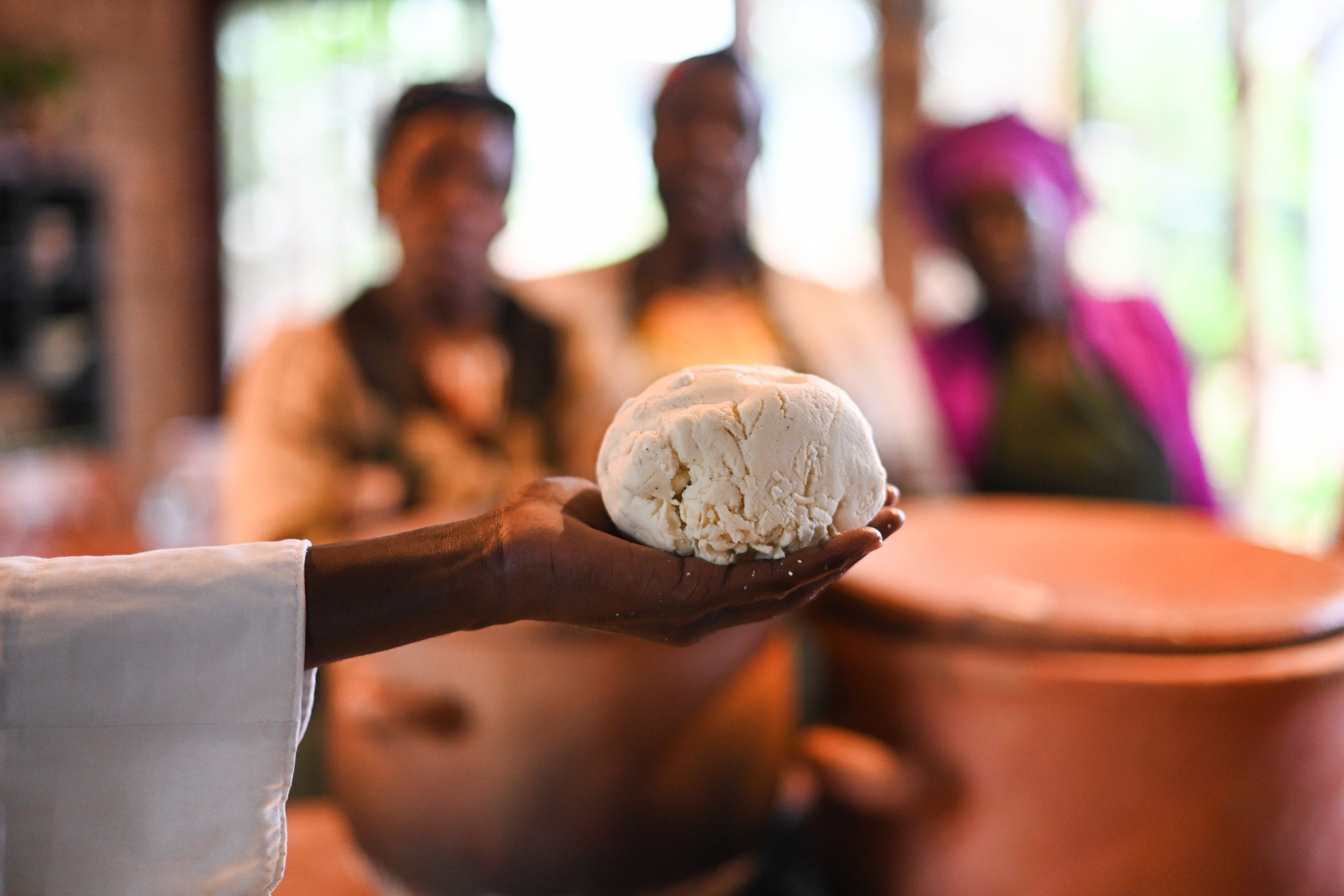
This is how the consistancy of your dough should be after draining.
Step 4: Cook the Fufu
Bring 3 cups of water to a boil in a saucepan. Add the cassava-matooke paste and mash continuously with a wooden spoon to dissolve and combine. Reduce heat, cover, and cook on low for 10–15 minutes, stirring occasionally to prevent lumps. Mash until the mixture is smooth, stretchy, and firm.
Step 5: Shape and Serve
Wet your hands with warm water and mold the fufu into round balls. Serve hot with okra sauce, greens, or your favorite local soup.
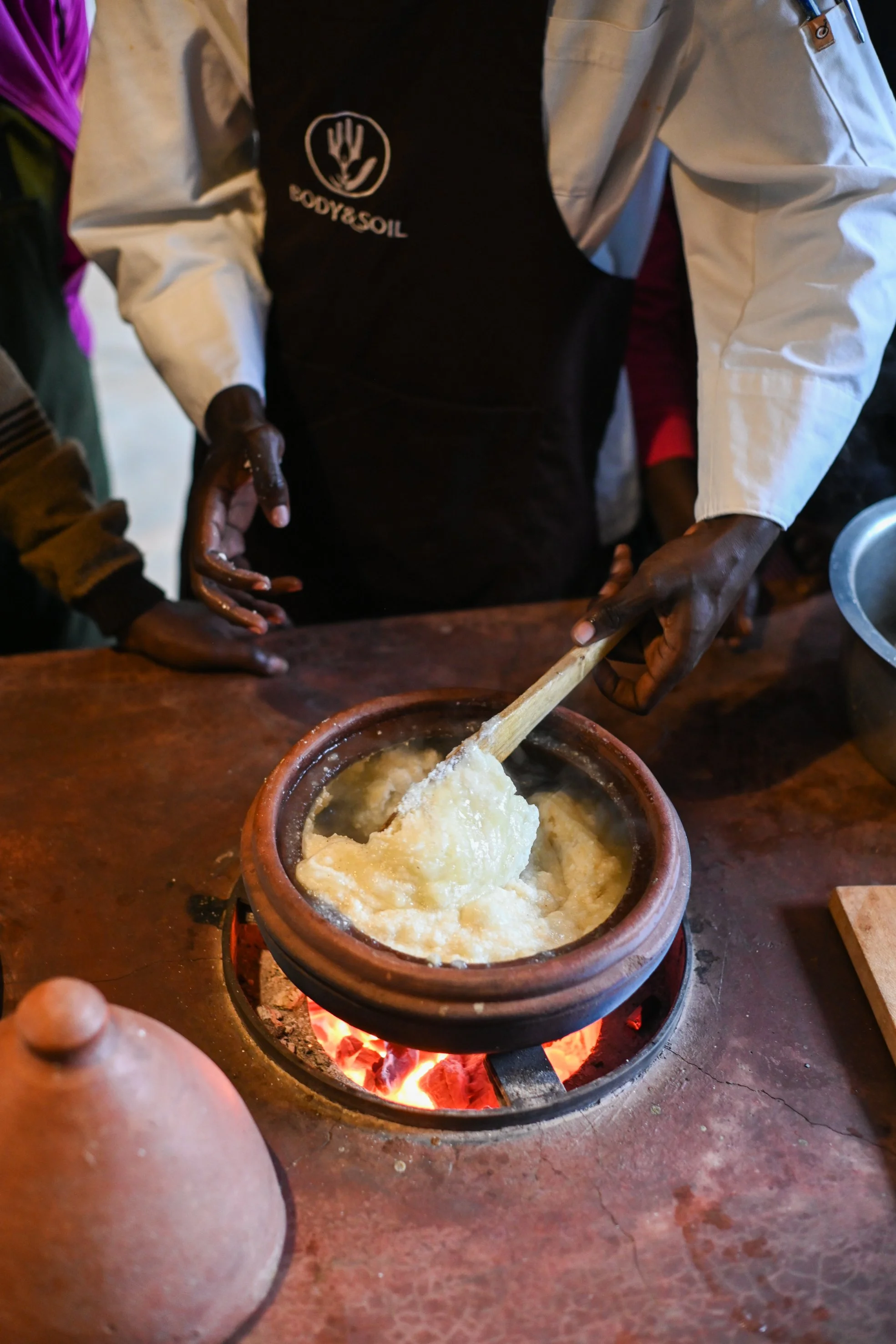
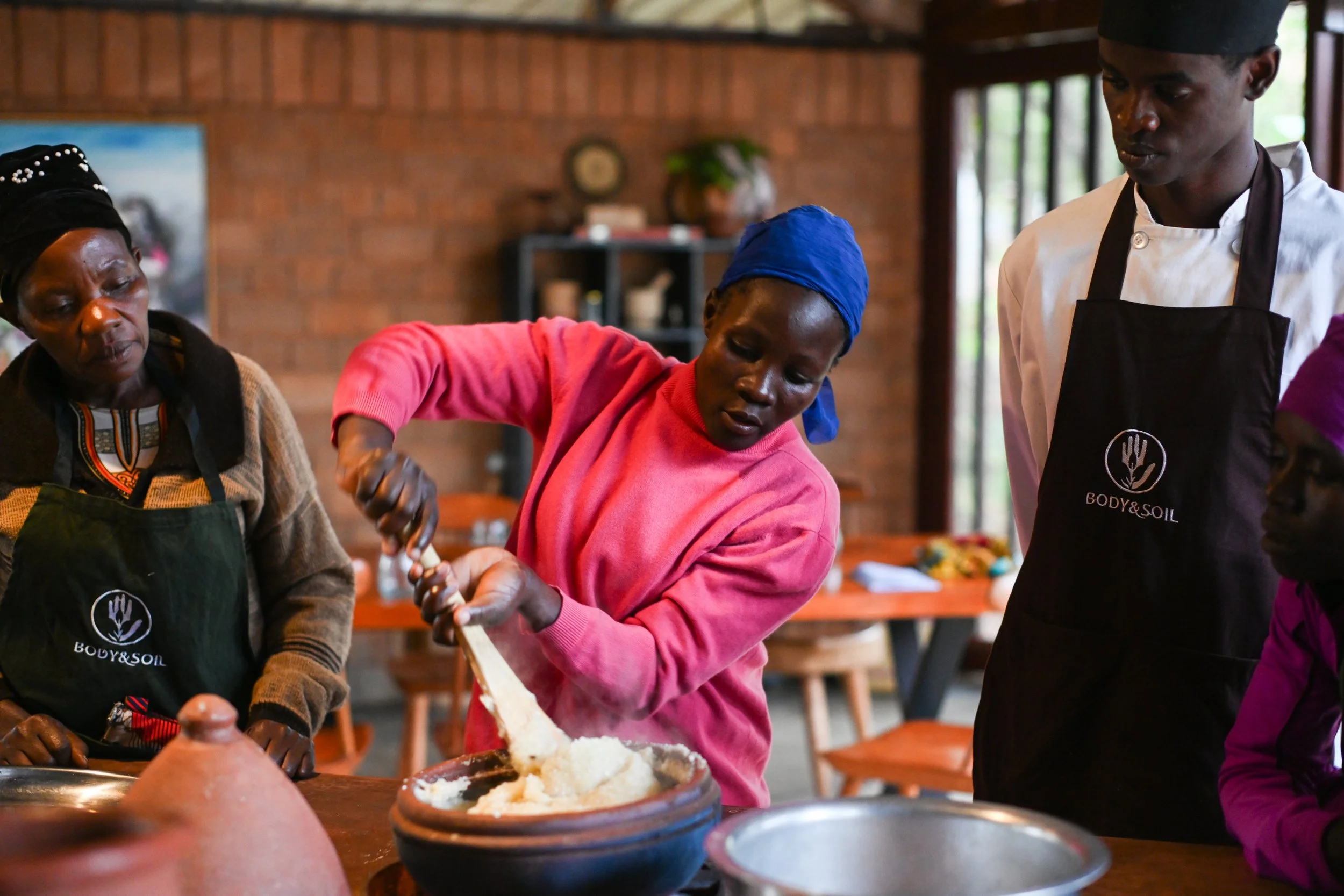

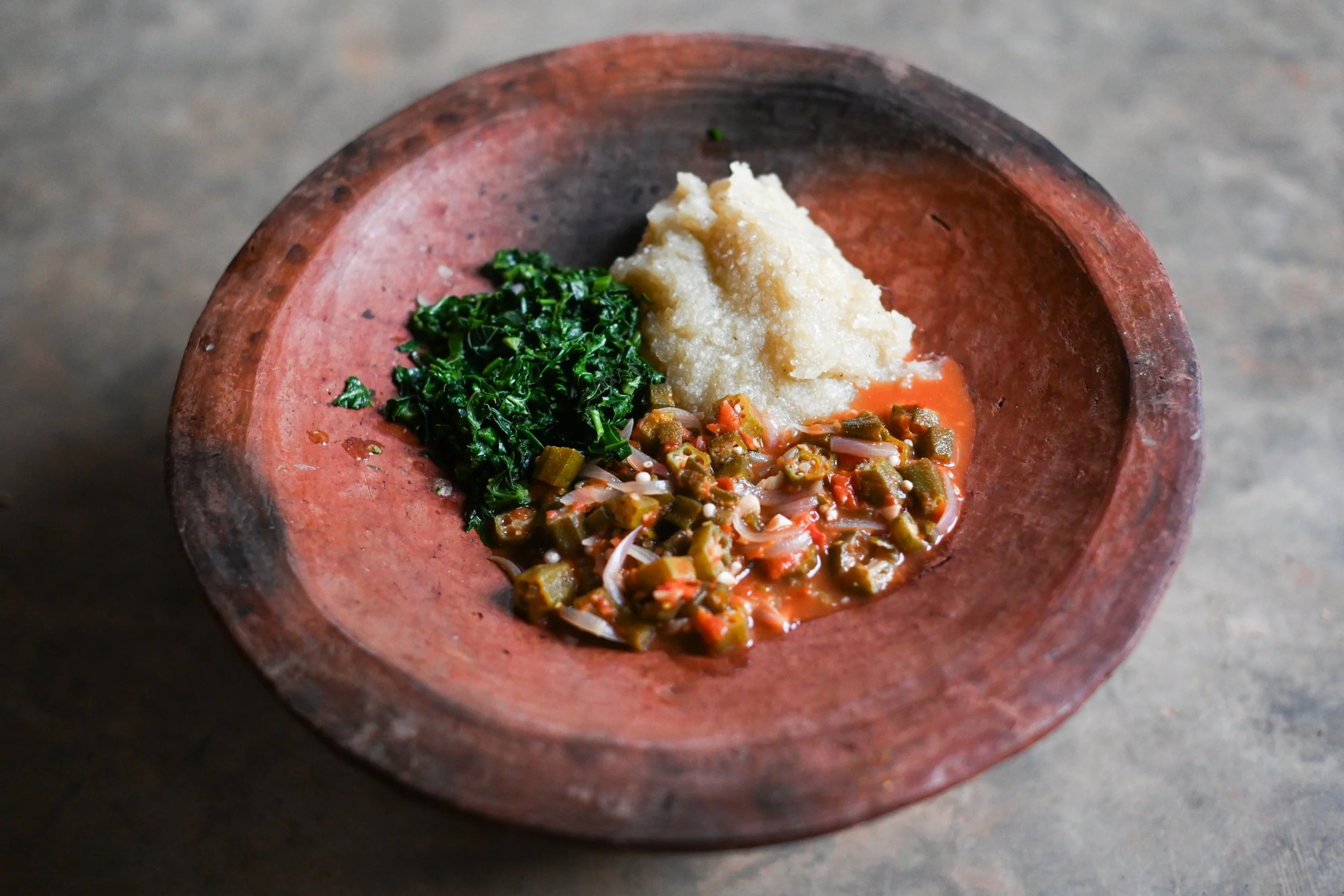
We prepared our Fufu with a delicous okra sauce, and local greens with a squeeze of lemon on top.
Tip
You can prepare fermented fufu in advance and reheat it gently with a splash of water. Its tangy flavor pairs beautifully with both vegetable sauces and rich stews.
Why Fermented Foods Matter
Fermented foods are powerful allies for your health.
They:
Promote a healthy gut microbiome — the bacteria that support digestion and immunity.
Increase the bioavailability of nutrients, helping your body absorb more vitamins and minerals.
Naturally preserve food without chemicals or refrigeration.
Help regulate blood sugar and improve overall digestion.
Across Africa, communities have always used fermentation, from millet porridges in Uganda to garri in Nigeria and kenkey in Ghana — to create nutritious, gut-friendly meals that last.
Why This Recipe Matters
This Ugandan-style fufu shows how ancient African food wisdom can inspire healthier modern eating. By fermenting and using local crops like cassava and matooke, we’re not only improving nutrition but also building a more sustainable and locally rooted food culture and creating alternatives for maize meal porridge.
At BODY&SOIL, we believe in healing both the body and the soil — and that begins with recipes like this one: simple, traditional, and deeply nourishing.
Try it and let us know what you think!
Recipe by Chef Kalefu Wilbroad