
Bean Flatbread Recipe
The BODY&SOIL Local, Nutritious Alternative to Toast Bread.
There are very few foods with as many healing and regenerative properties as beans. At BODY&SOIL, we want to help change the perception of beans from being seen as “poor man’s food” or a last option — to being recognized as a powerful food that supports both soil health and human health.
Beans help regenerate soils through nitrogen fixation. At the same time, they are rich in protein, minerals, and soluble fiber that support digestion, blood sugar balance, and heart health.
At the moment, across many parts of Africa, imported white wheat flour has become a daily staple. In Uganda, many people eat white toast bread with margarine for breakfast — or plain.
These breads are low in nutrients and often cause strong blood sugar spikes. The wheat flours commonly available on shelves are highly refined. Even when fortified, they are still stripped of their natural nutrients and mostly provide empty calories. This does not support the local farmer, the local market, or the body. That’s why it is so important to develop healthy, locally grown alternatives to wheat flour.
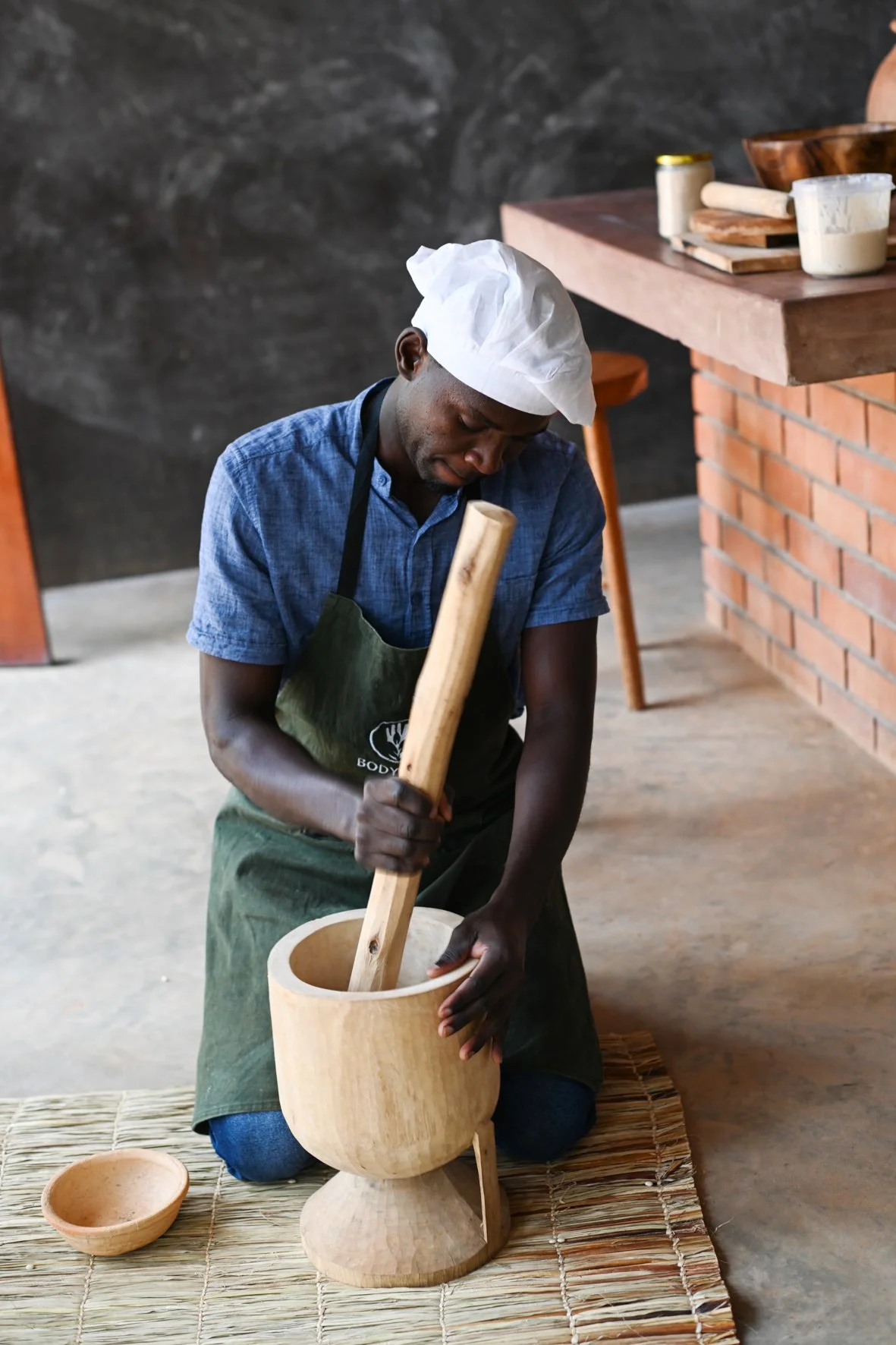
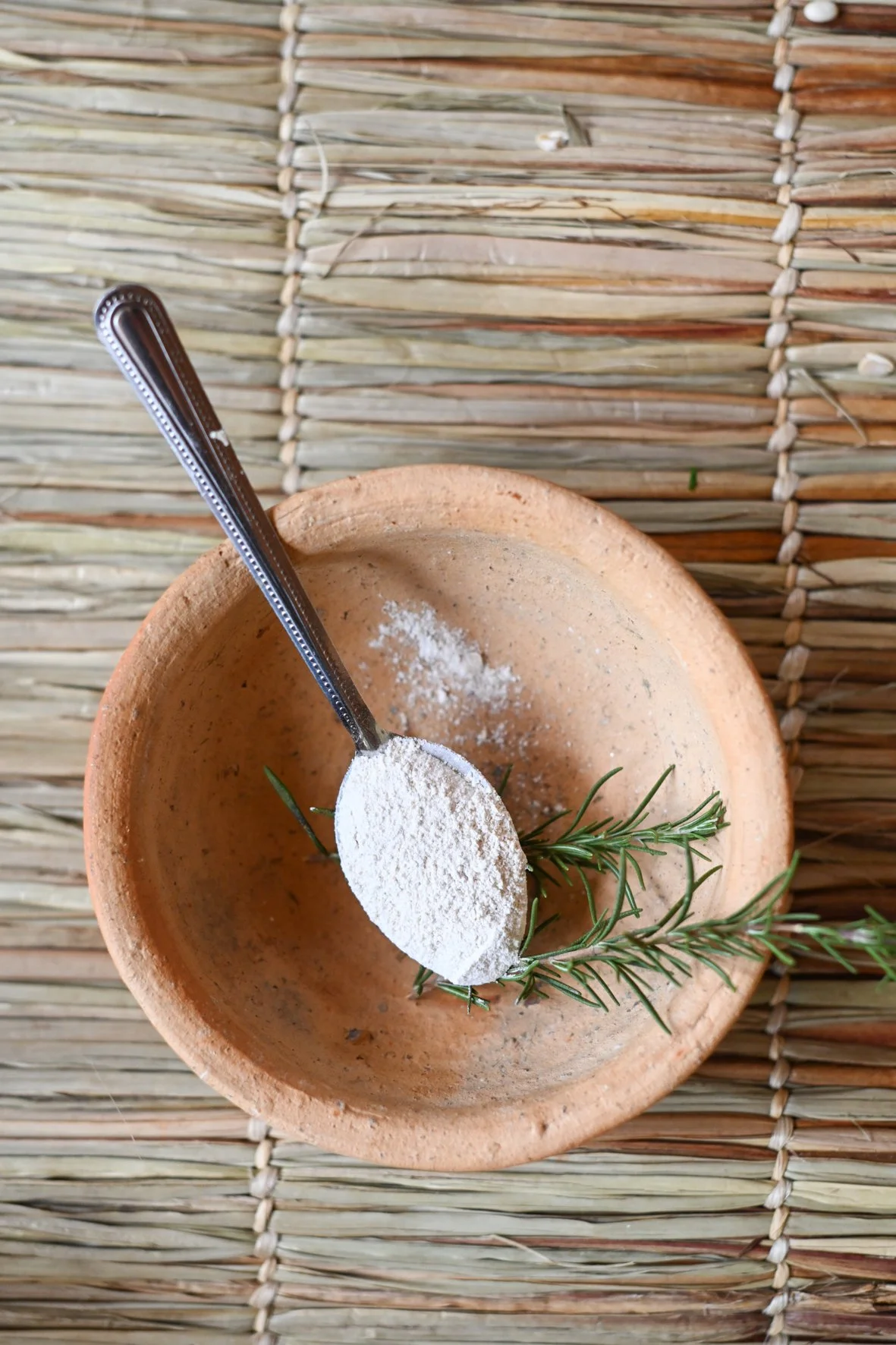
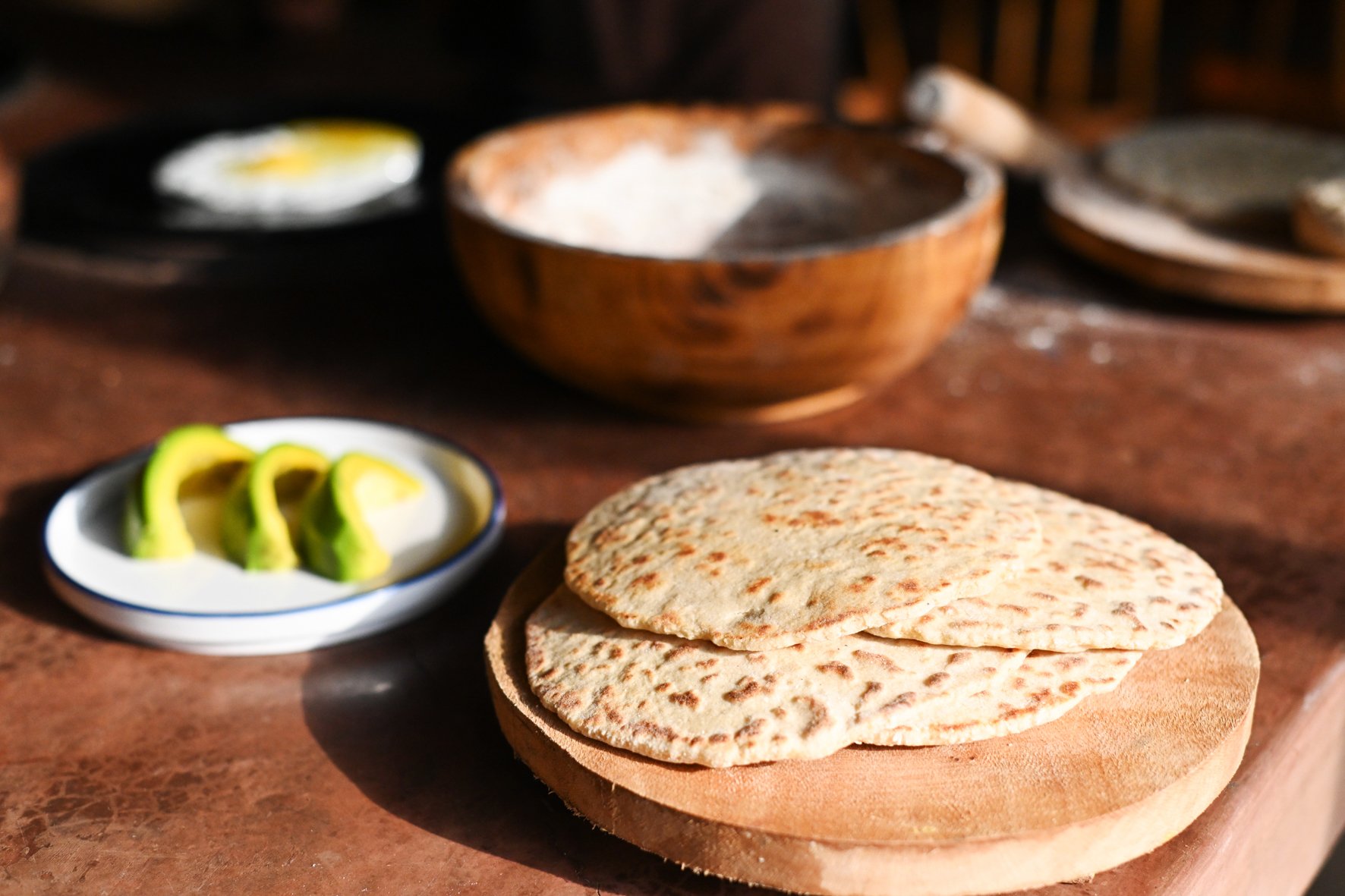
Our BODY&SOIL chefs have been experimenting with different local flours — and one of the most promising is bean flour. Using dried beans that any farmer can grow, we pound and grind them into flour and turn them into a soft, delicious flatbread.
This bread can replace toast, is affordable, supports farmers and markets — and is highly nutritious and filling.
Below we show you how to make it — and afterwards we explain why beans are so powerful for your health.
Recipe developed by: Collins Wandera, Bonny Kalungi and Clinton Rwatooro
Ingredients - Makes 5-6 breads
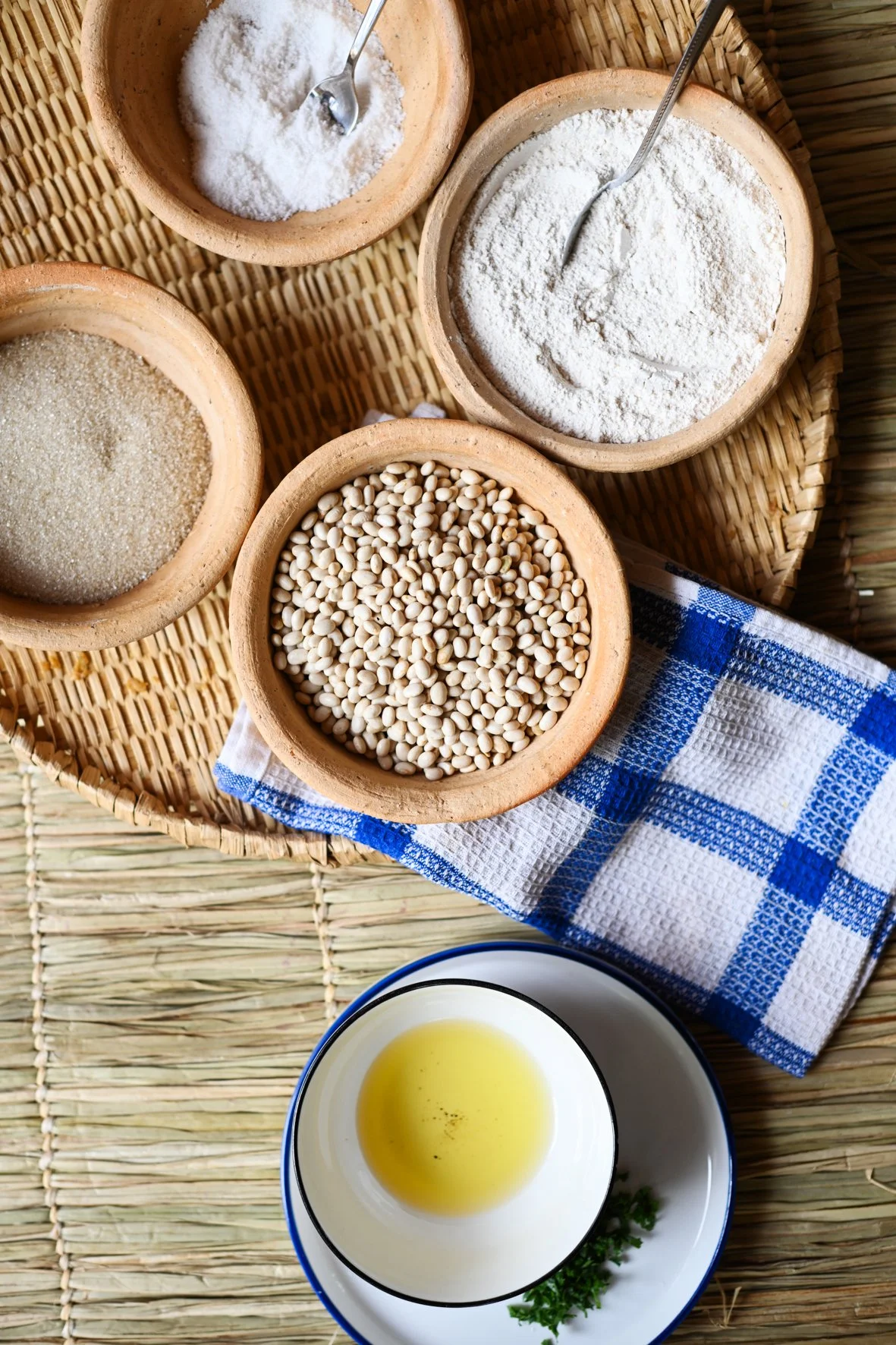
1 cup bean flour (made from any dried beans)
2 tablespoons wheat flour (helps with texture and binding)
1 cup warm water
2 teaspoons yeast
1 teaspoon salt
2 tablespoons vegetable oil
Finely chopped fresh rosemary and parsley (or any herbs you like)
Preparation — How to Make Bean Flour
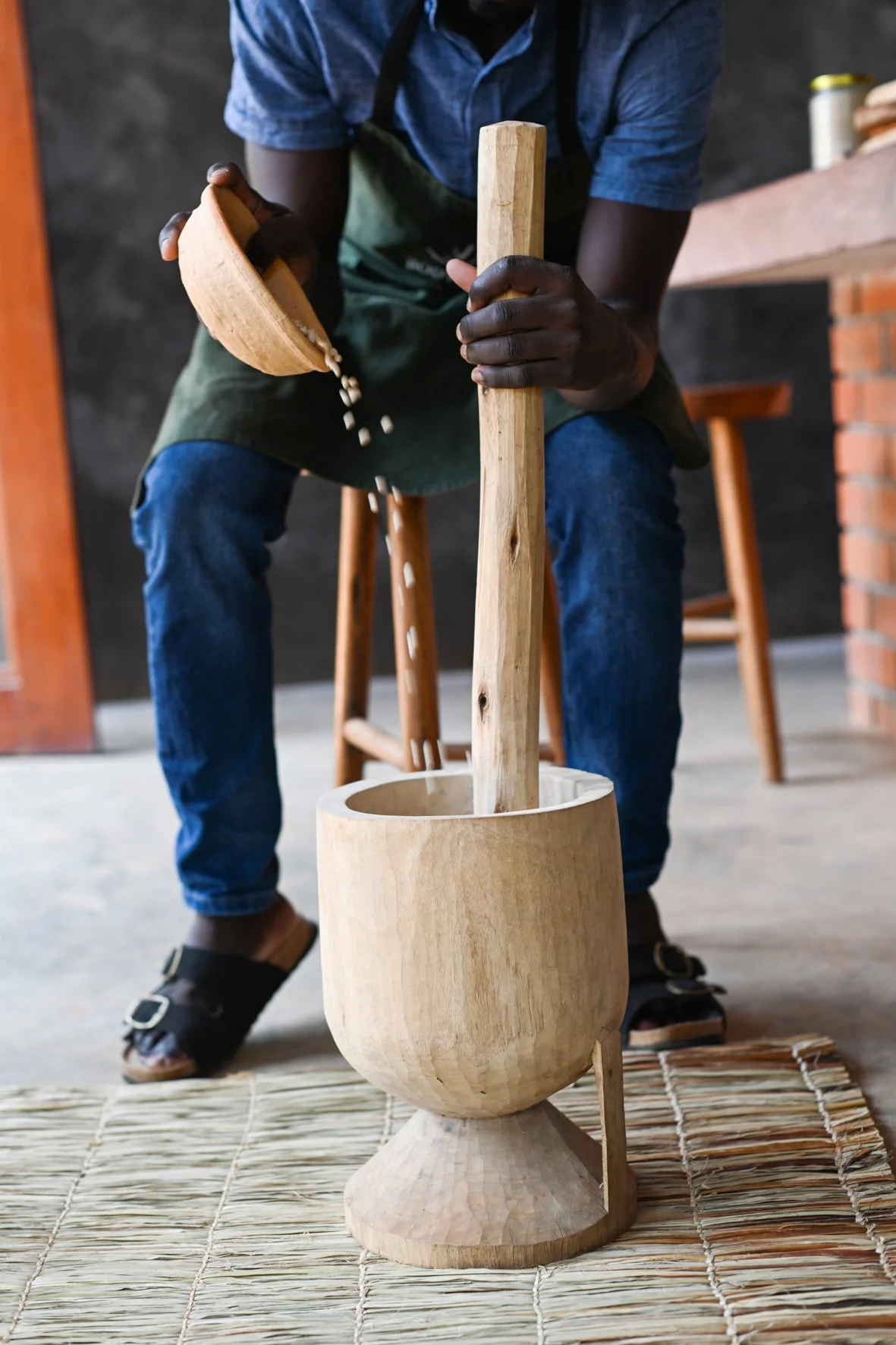
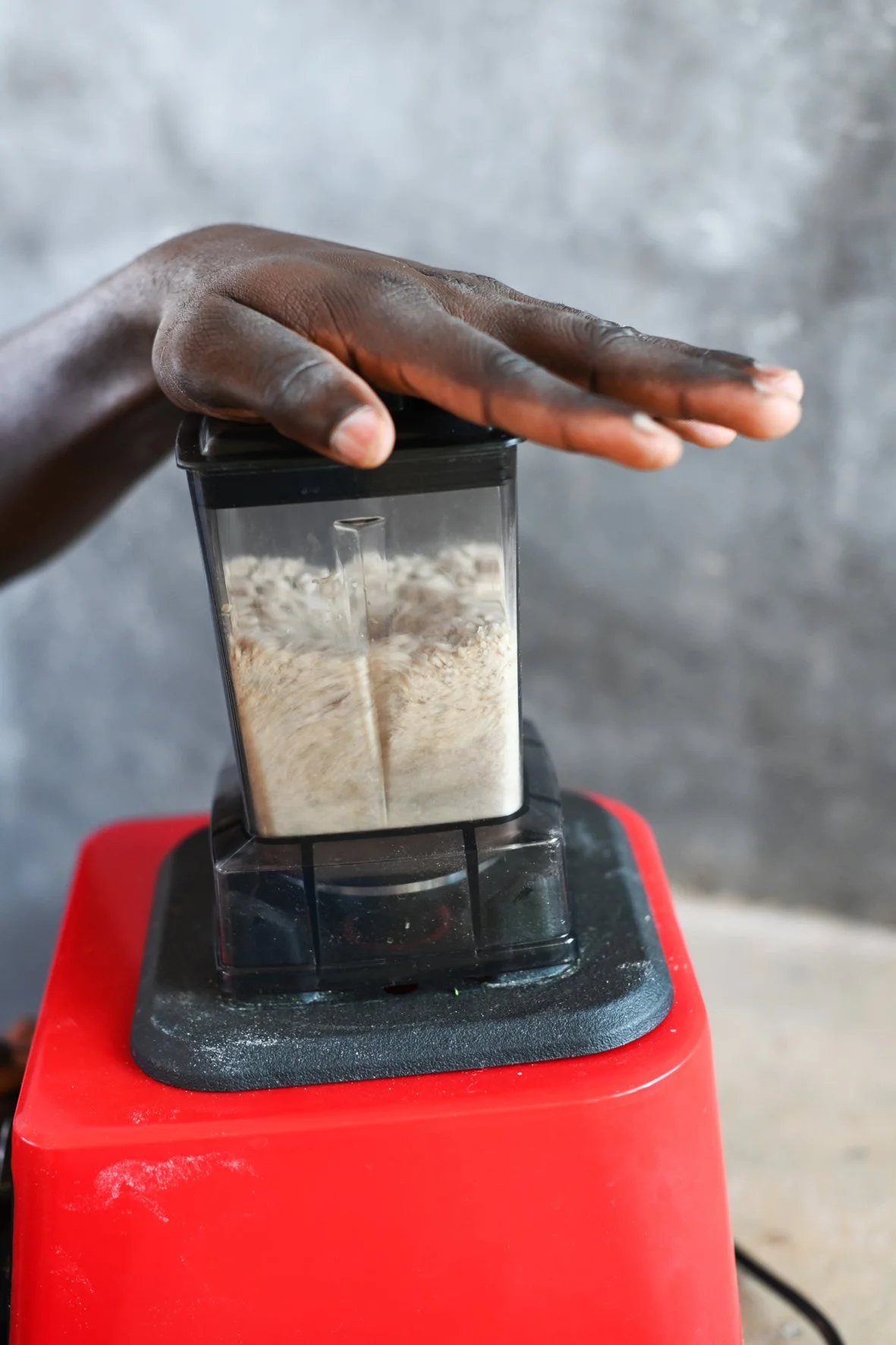
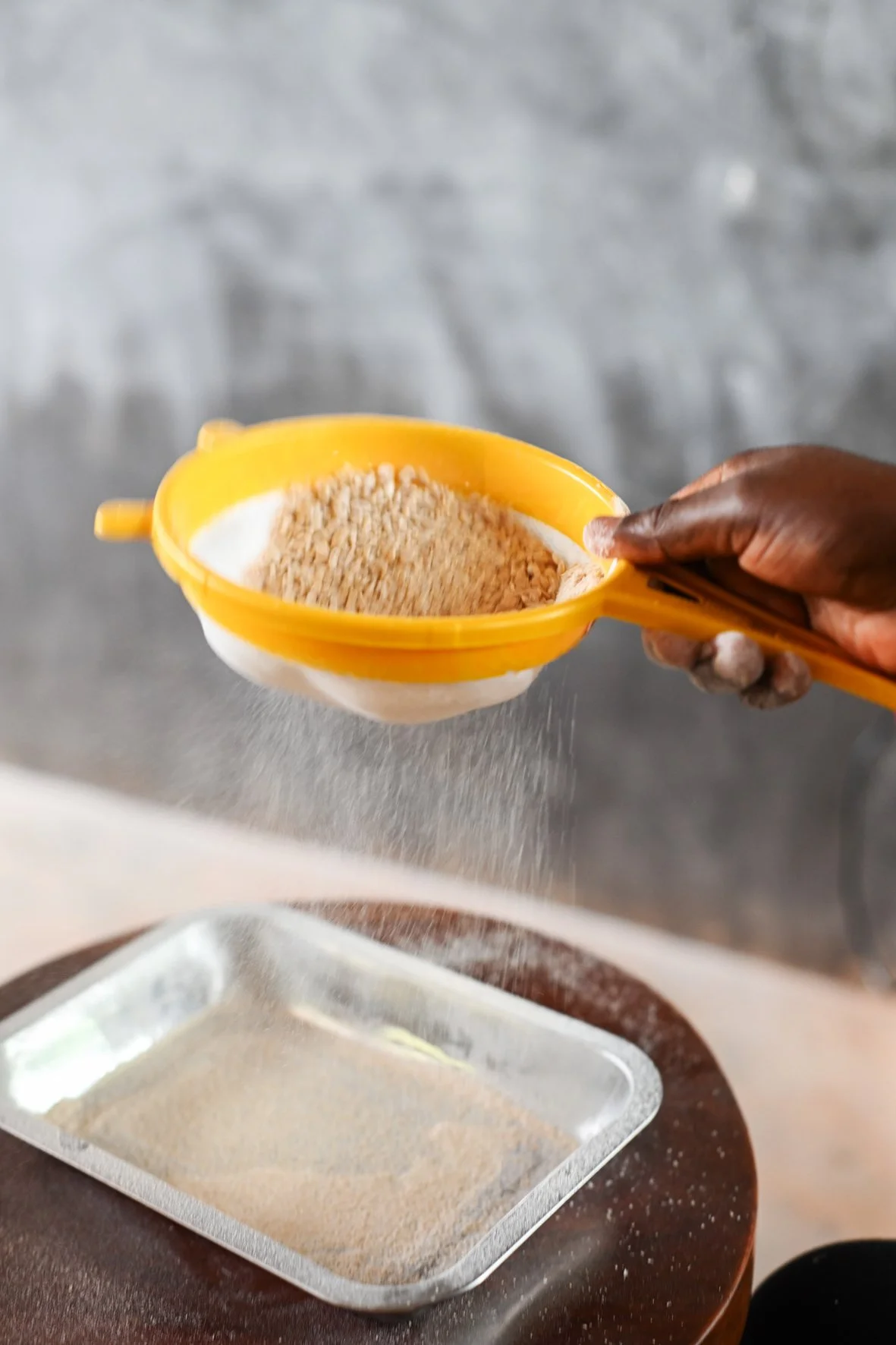
Pound your dried beans first, then grind or blend them and sift into a fine flour. Make more than you need and store the extra flour in a clean, airtight jar for next time.
Method
Step 1 — Activate the Yeast : Combine the warm water, and yeast in a large mixing bowl. Stir until dissolved.
Step 2 — Start the Dough Base: Add ½ cup of the bean flour and whisk well. Place the bowl in a warm place and let it sit for about 15 minutes until slightly foamy.
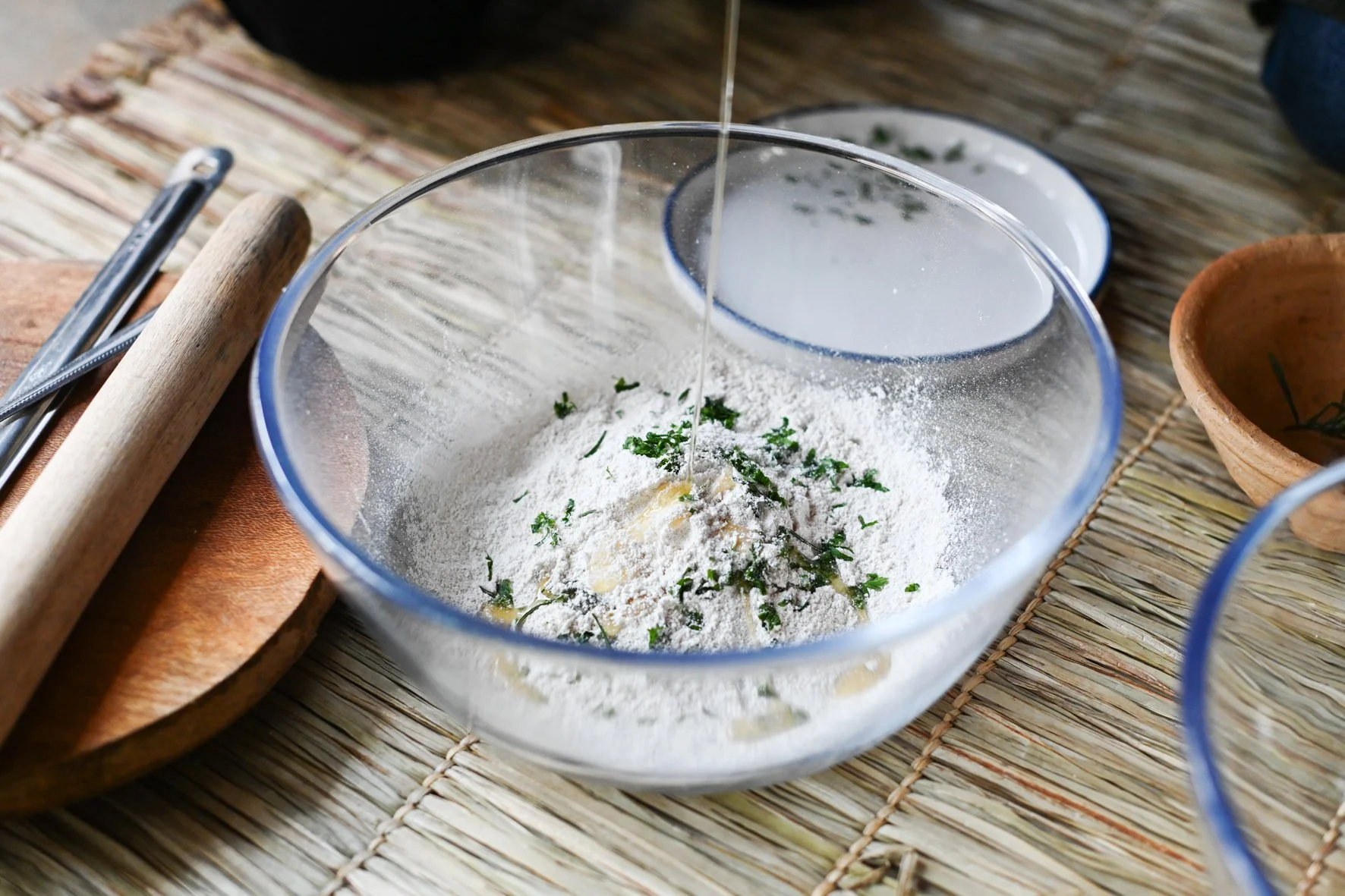
Step 3 — Build the Dough: Add the remaining bean flour, wheat flour, salt, oil, and chopped herbs. Mix and knead for several minutes until the dough becomes soft and slightly moist.
Step 4 — First Rise: Cover with a kitchen towel and place in a warm spot. Let the dough rise for about 1 hour, until it doubles in size.
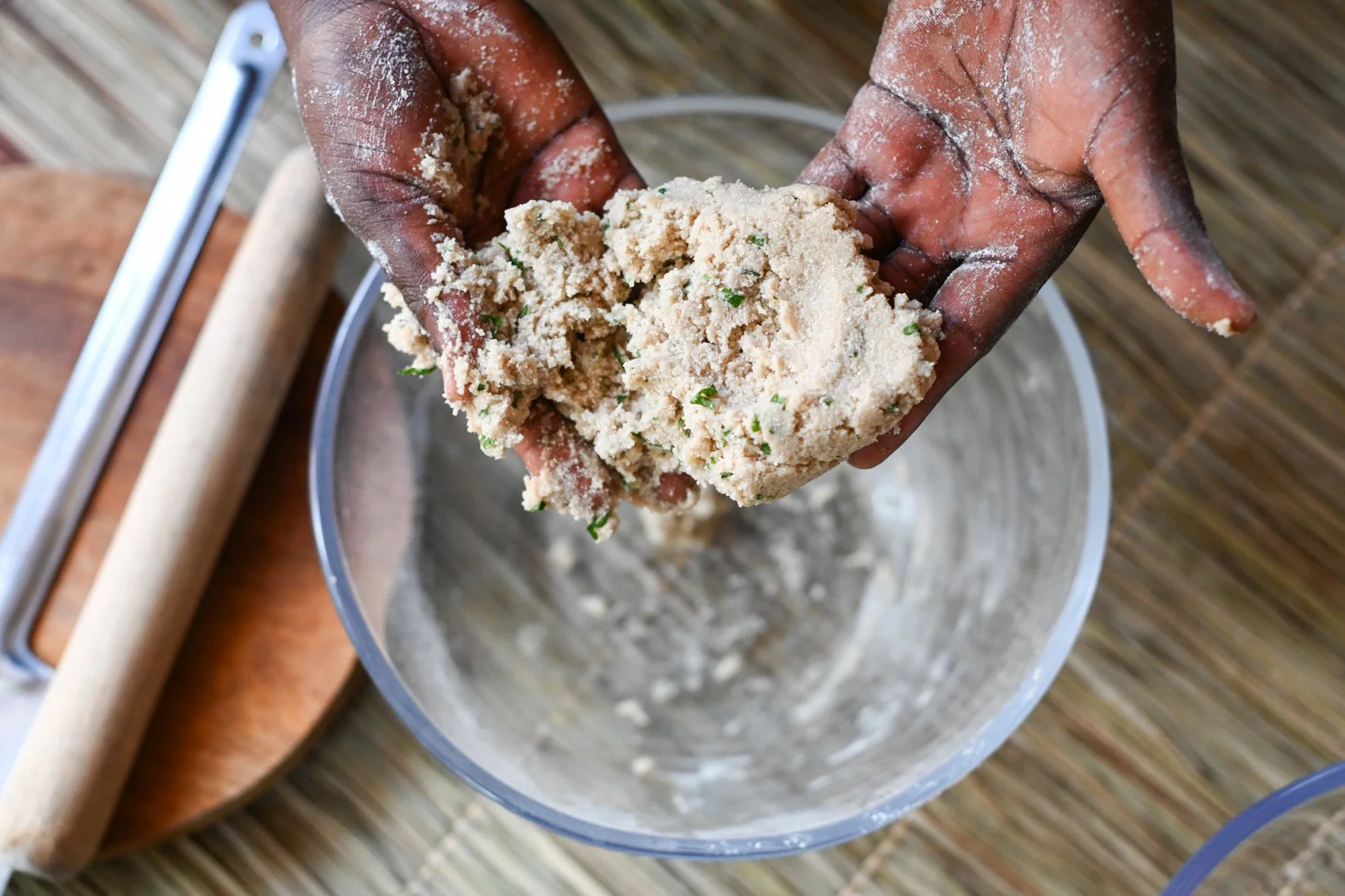
Step 5 — Shape Divide into 5–6 equal balls. Let them rest for 10 minutes. Roll each into a small circle.
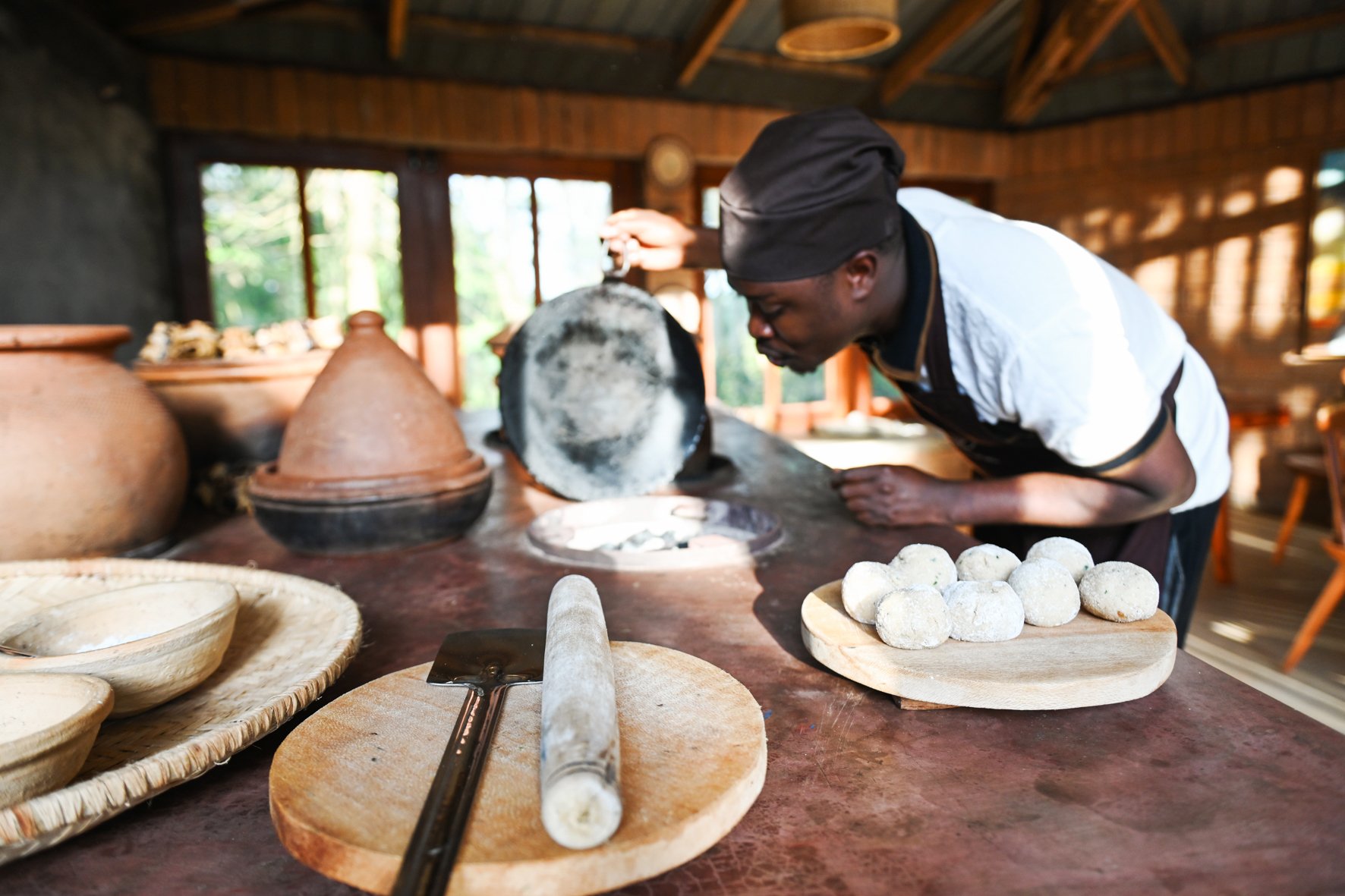
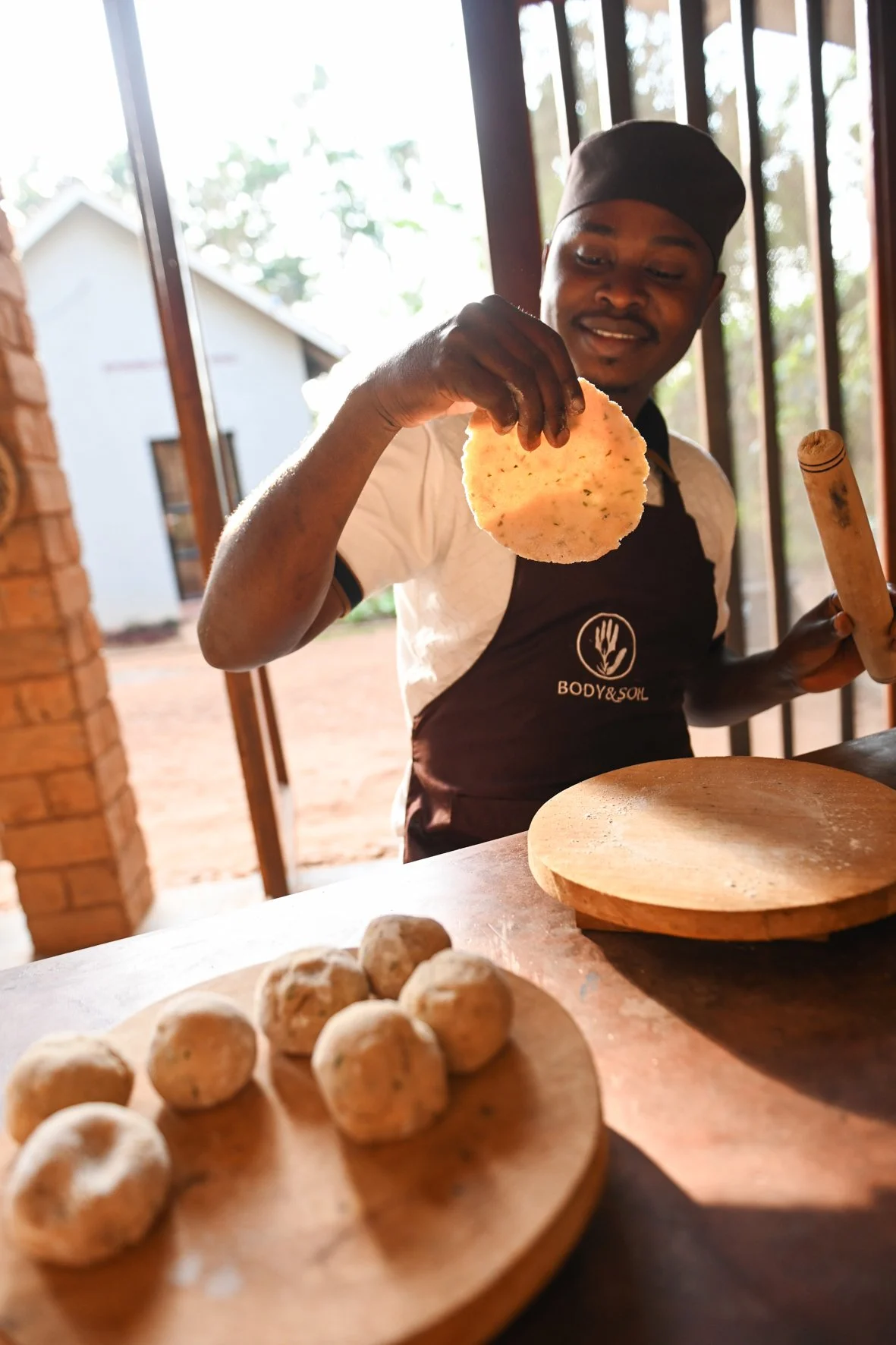
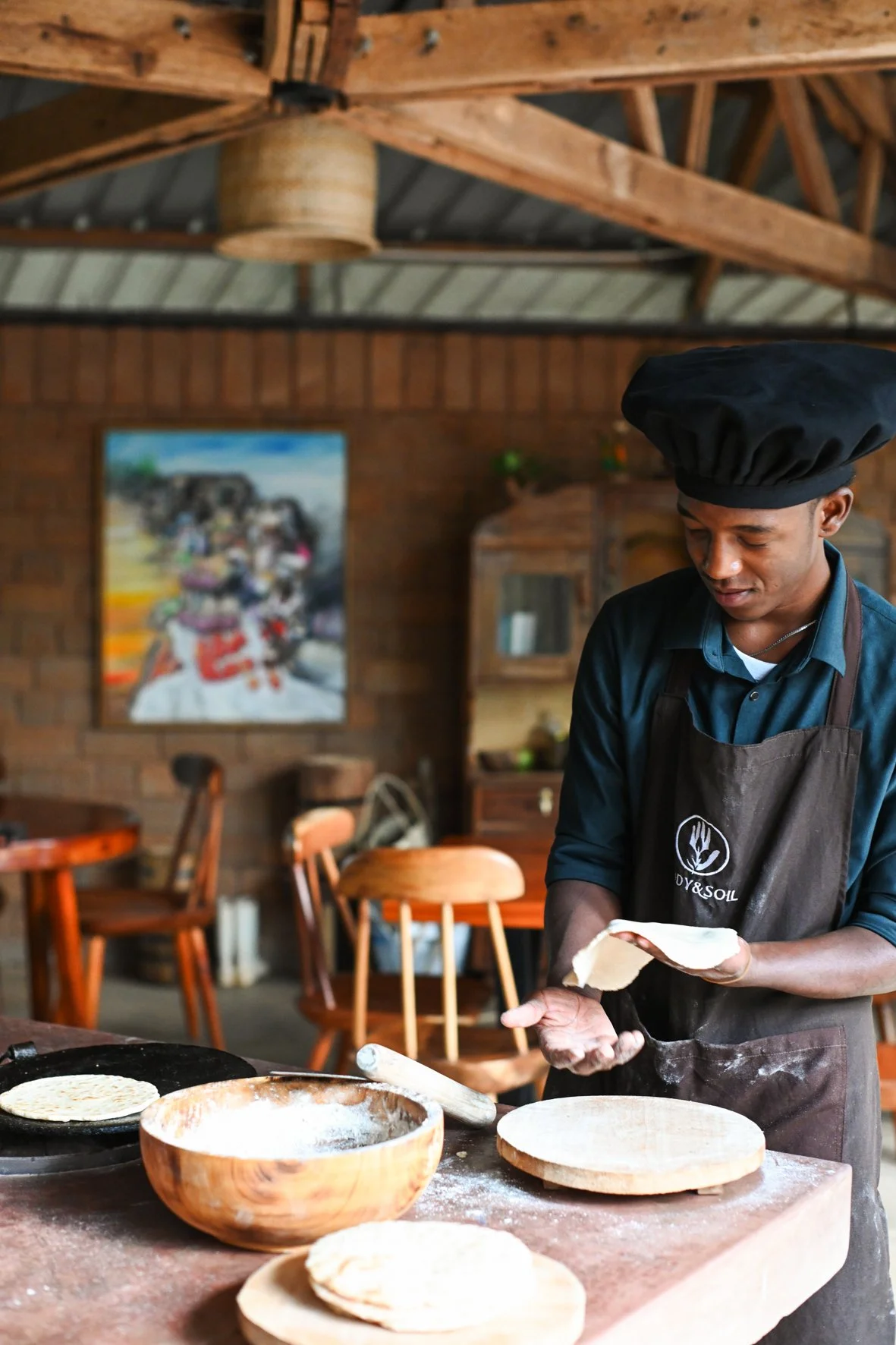
Step 6 — Cook: Heat a pan on high heat (no oil needed). Bake each flatbread until it puffs and forms a pocket, about 1–2 minutes per side. Flip with a spatula and finish baking.
Ready to serve.
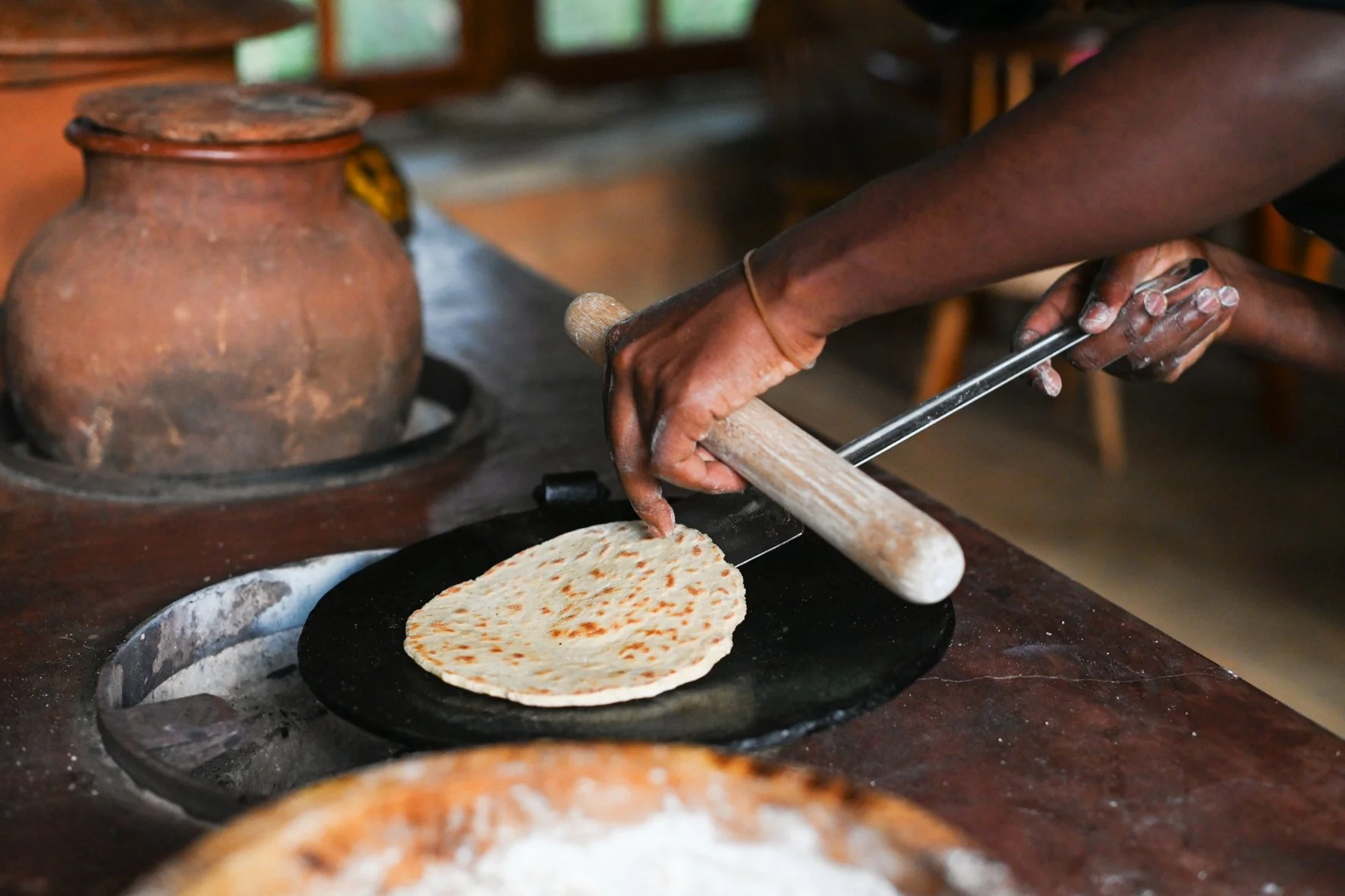
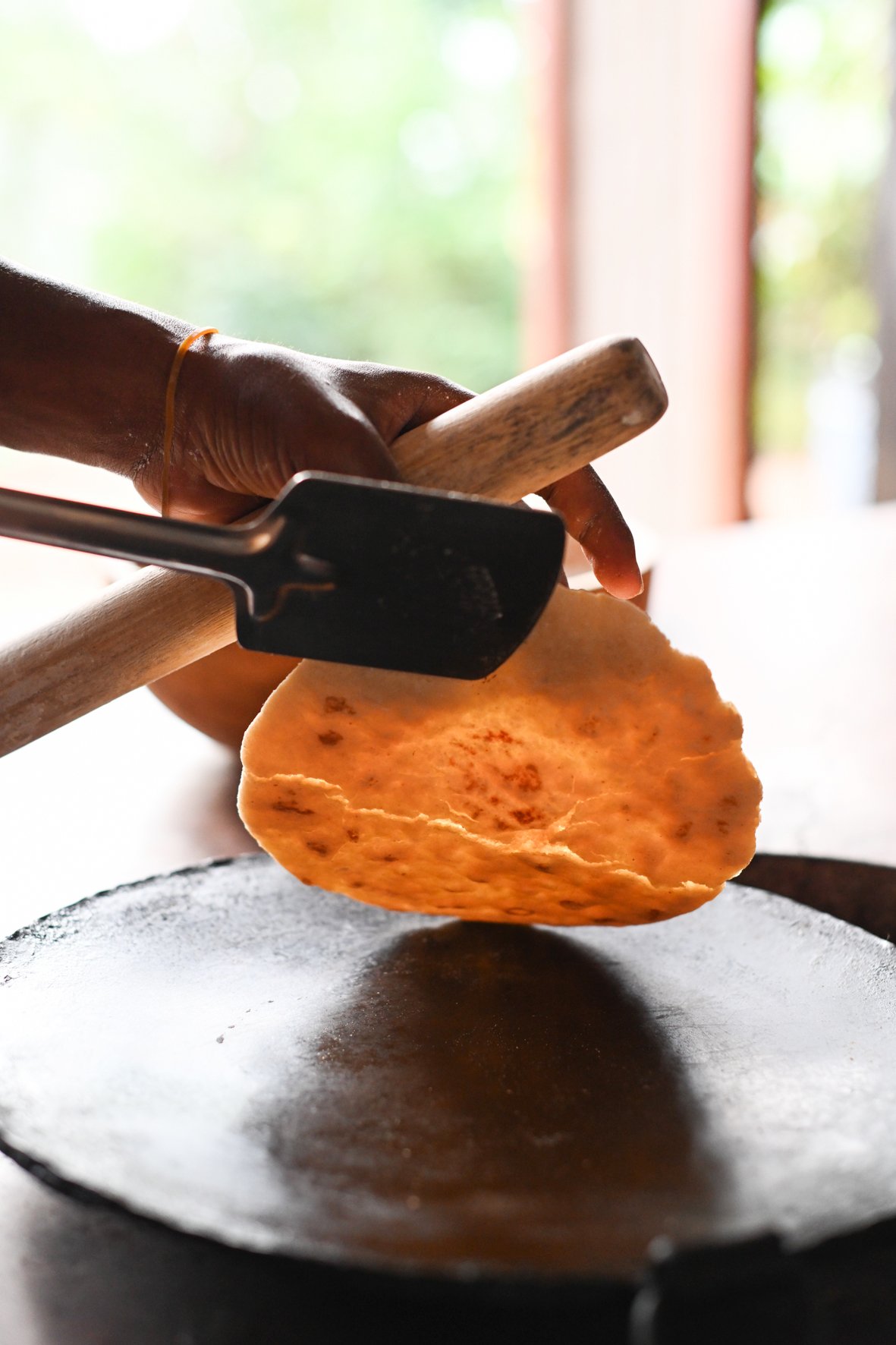
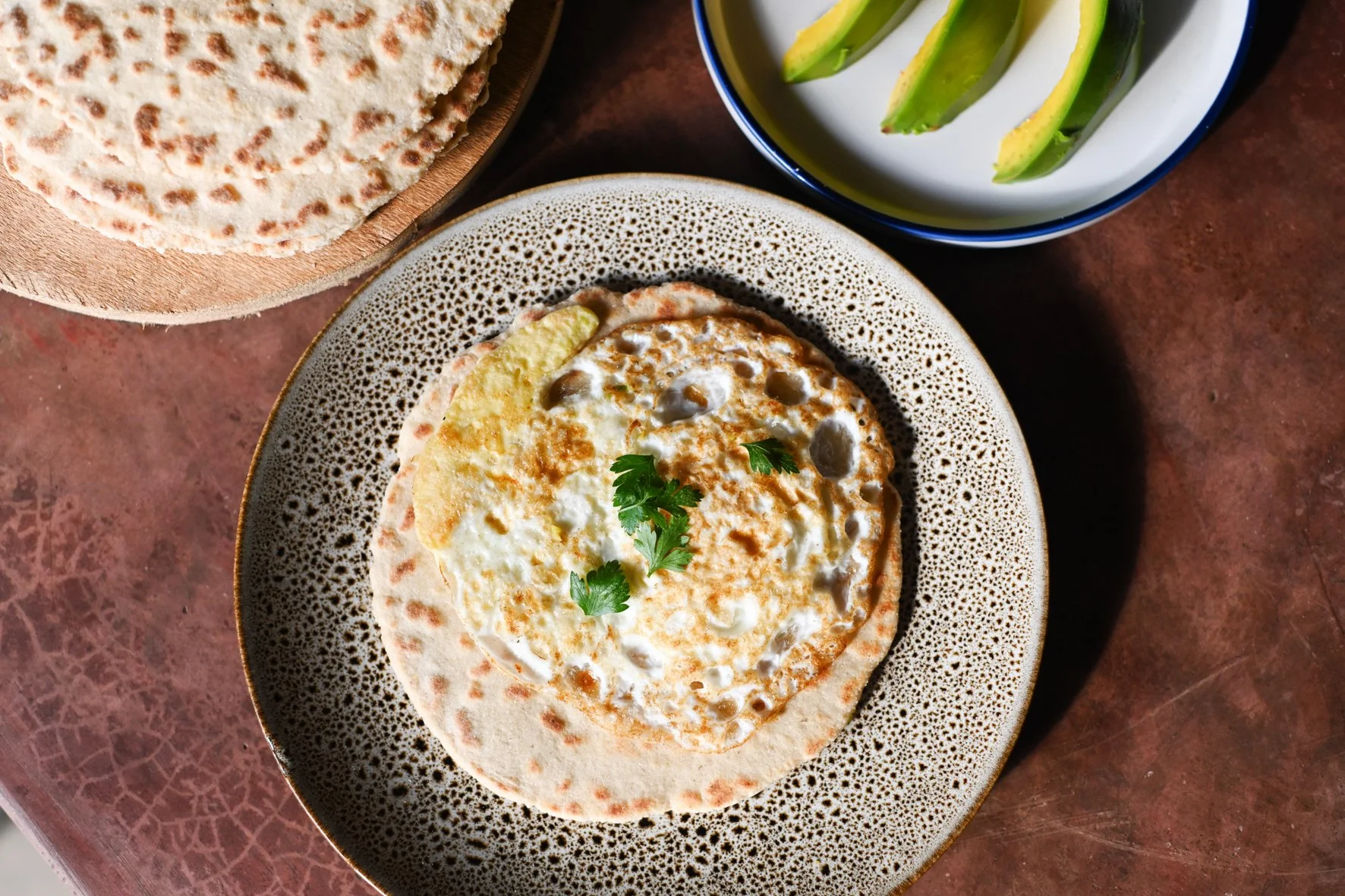
Bean bread served with a fried egg and avocado.
Why Beans Are So Powerful for Your Health
Beans — also called pulses — are among the most powerful everyday healing foods. They are one of the richest natural sources of soluble fiber, a type of fiber many diets are missing. The body ideally needs around 15 grams of soluble fiber per day, and one cup of beans can already provide most of that amount.
This special fiber supports healthy digestion, feeds your beneficial gut bacteria, strengthens the immune function of the gut lining, helps keep blood sugar stable, and contributes to healthy cholesterol levels — all from one simple, local food.
What Happens in the Body When You Eat Beans
One of the main reasons beans are so effective is how their soluble fiber works together with bile inside the digestive system.
Bile is produced in the liver and stored in the gallbladder. When we eat fat, bile is released into the small intestine, where it works like a natural soap — breaking fat into tiny droplets so it can be digested properly. Bile itself is made partly from cholesterol.
Normally, after bile has done its job, most of it is reabsorbed and reused by the body again and again. This recycling system, a process called enterohepatic circulation, is efficient — but it also means the body does not need to pull much cholesterol out of the bloodstream.
How Soluble Fiber Changes the Cycle
When you eat beans and other soluble-fiber-rich foods, the fiber forms a soft gel in the gut. This gel binds to bile acids and carries part of them out of the body instead of letting them be fully reabsorbed.
To replace them, the liver draws cholesterol from the blood to make new bile, which can also help eliminate some excess hormones and metabolic waste products.
The result is a natural support system for:
lower cholesterol
improved metabolic balance
better digestive function
At the same time, the fiber gel slows digestion and sugar absorption — which helps with blood sugar control, insulin balance, and longer satiety after meals.
A Simple Picture to Remember
Think of bile like dish soap for fat.
Without soluble fiber, the soap keeps getting reused. With soluble fiber, the soap sticks to a sponge and is removed — and the body has to make fresh soap using cholesterol.
Good for the Body — and the Local Market
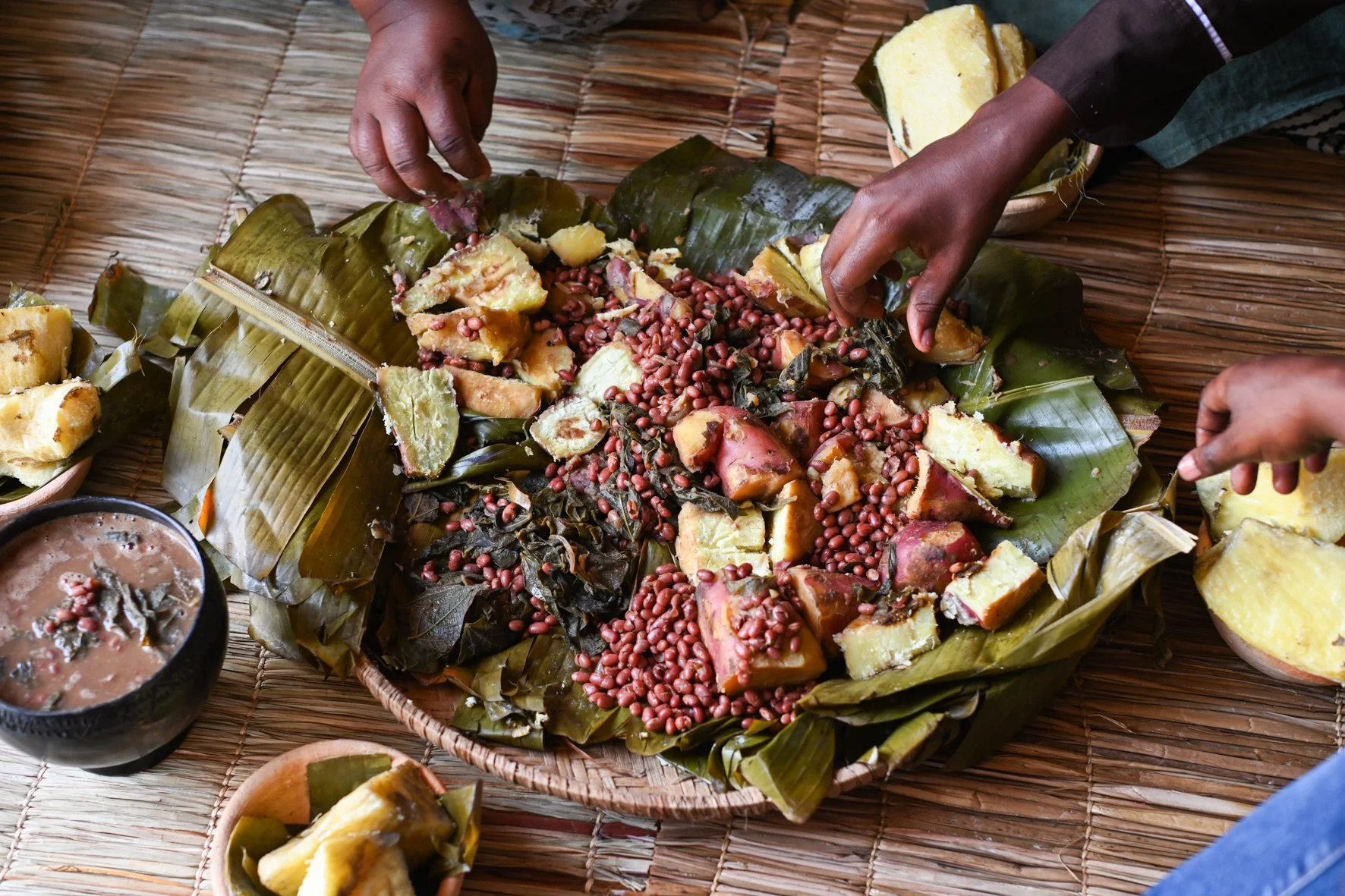
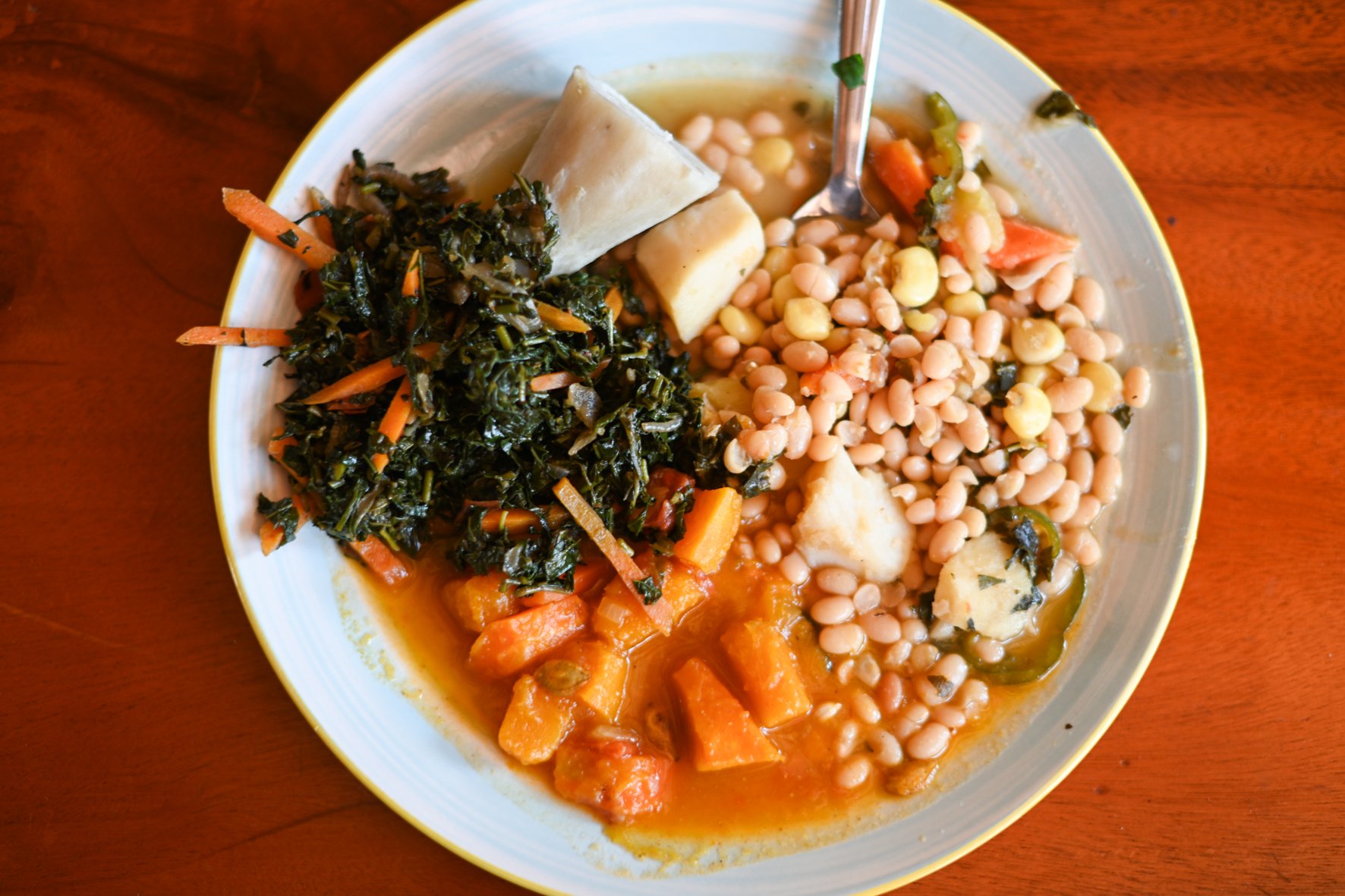
Beans are not only a key to better health — they are also a key to stronger local food systems. They grow well locally, improve soils, support farmers, and can be turned into many affordable foods — like this flatbread.
So spread the bean love, try the recipe, and tell us how it turns out.
We all love it here.