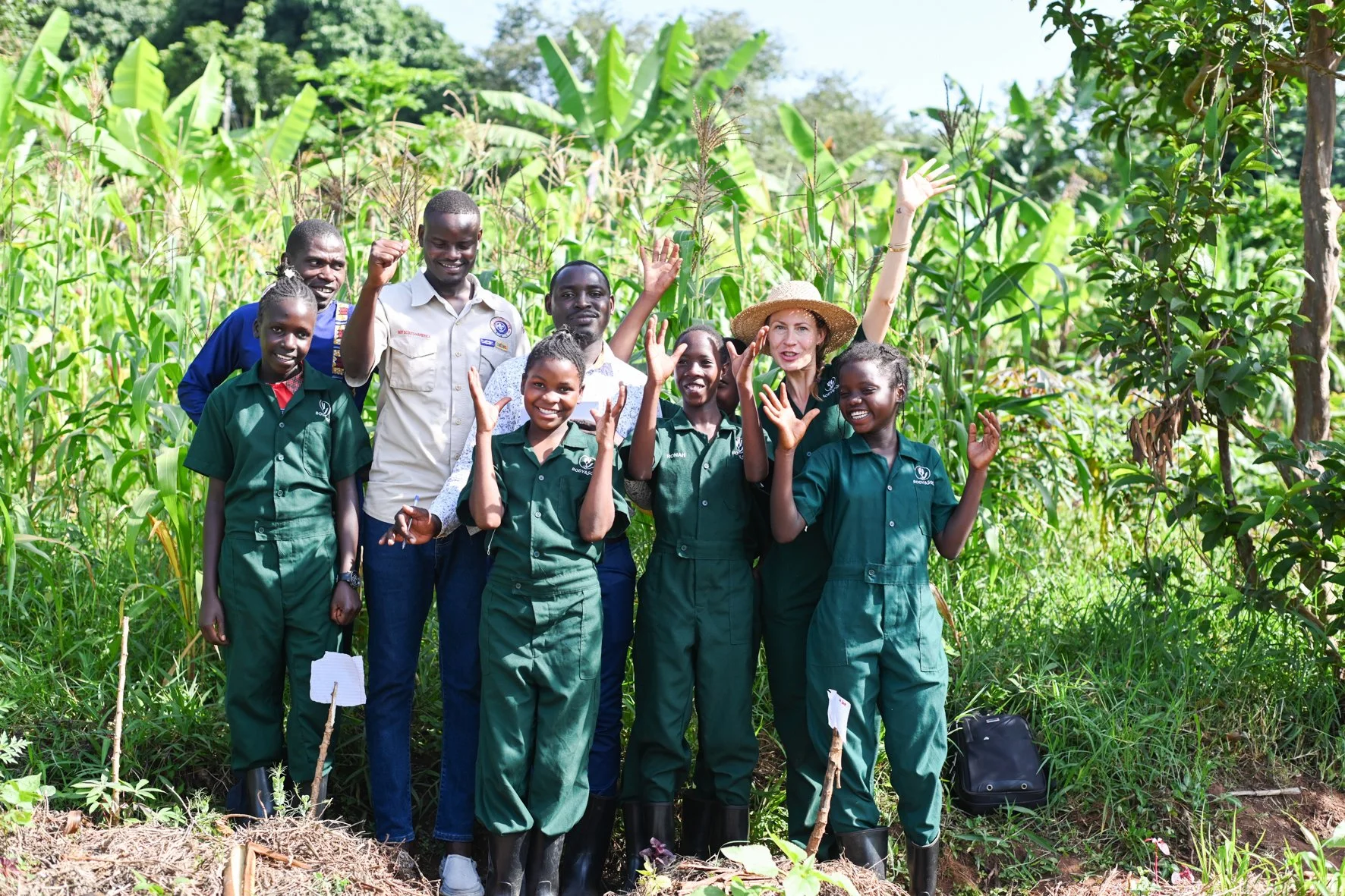
People, Passion, Purpose.
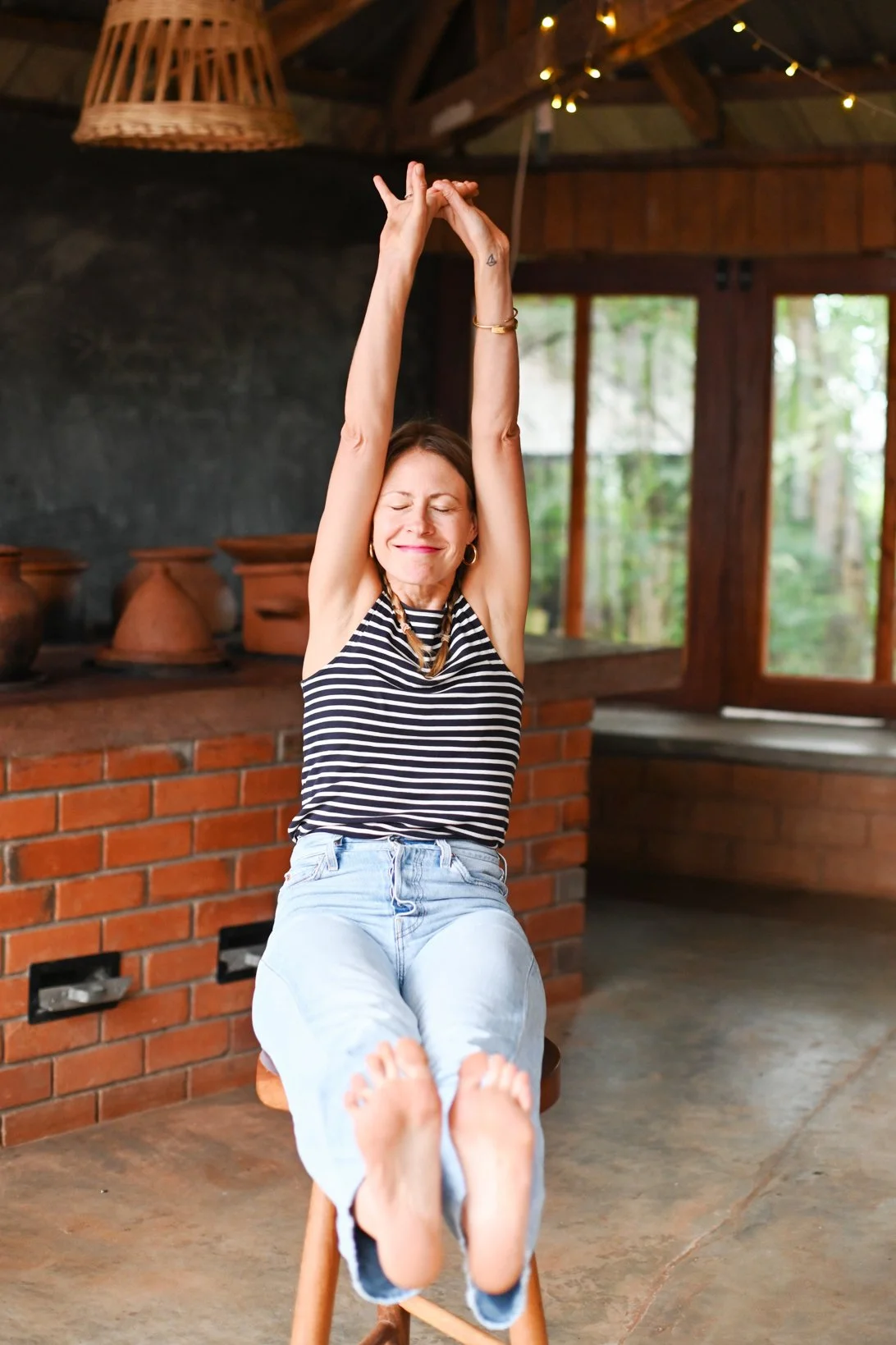
Hello 2026 - Reflecting on our first year working with RUCID Organic College.
At the heart of BODY&SOIL are people and their drive. The true core of our holistic, community-led path to healing.
At first, I really had to give myself a shove to sit down and write to you, while everyone else seemed to be easing gently into the new year. My first thought was: don’t do it, go to the pool.
But then I started going through my photos from January 2025, when I first moved to RUCID Organic College, and a deep feeling of pride came over me for how far we’ve come.
So here I am, sitting in my office that used to be a small guest room. Across from me I see the BODY&SOIL classroom, which has grown into a space for creativity and growth.
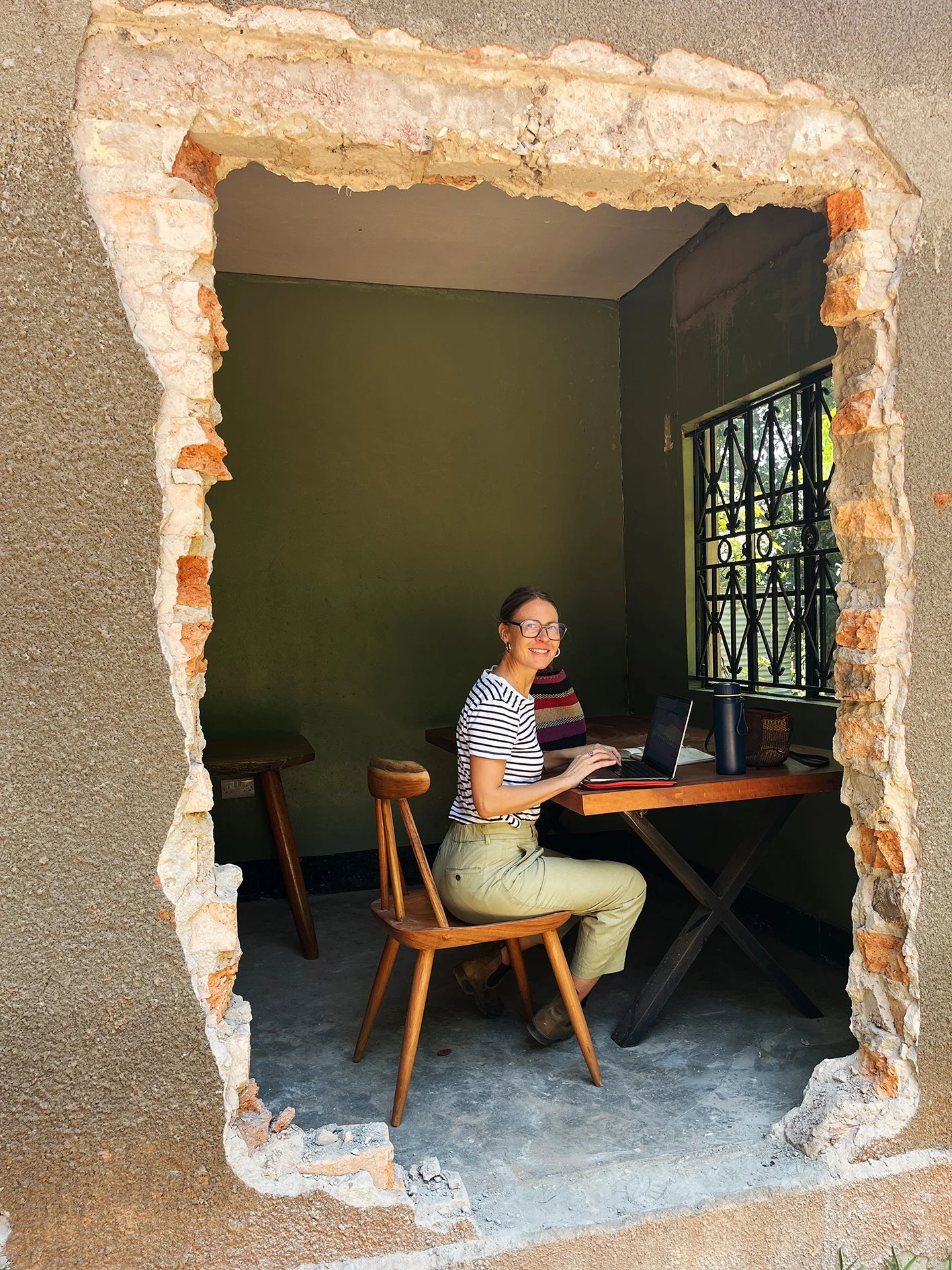
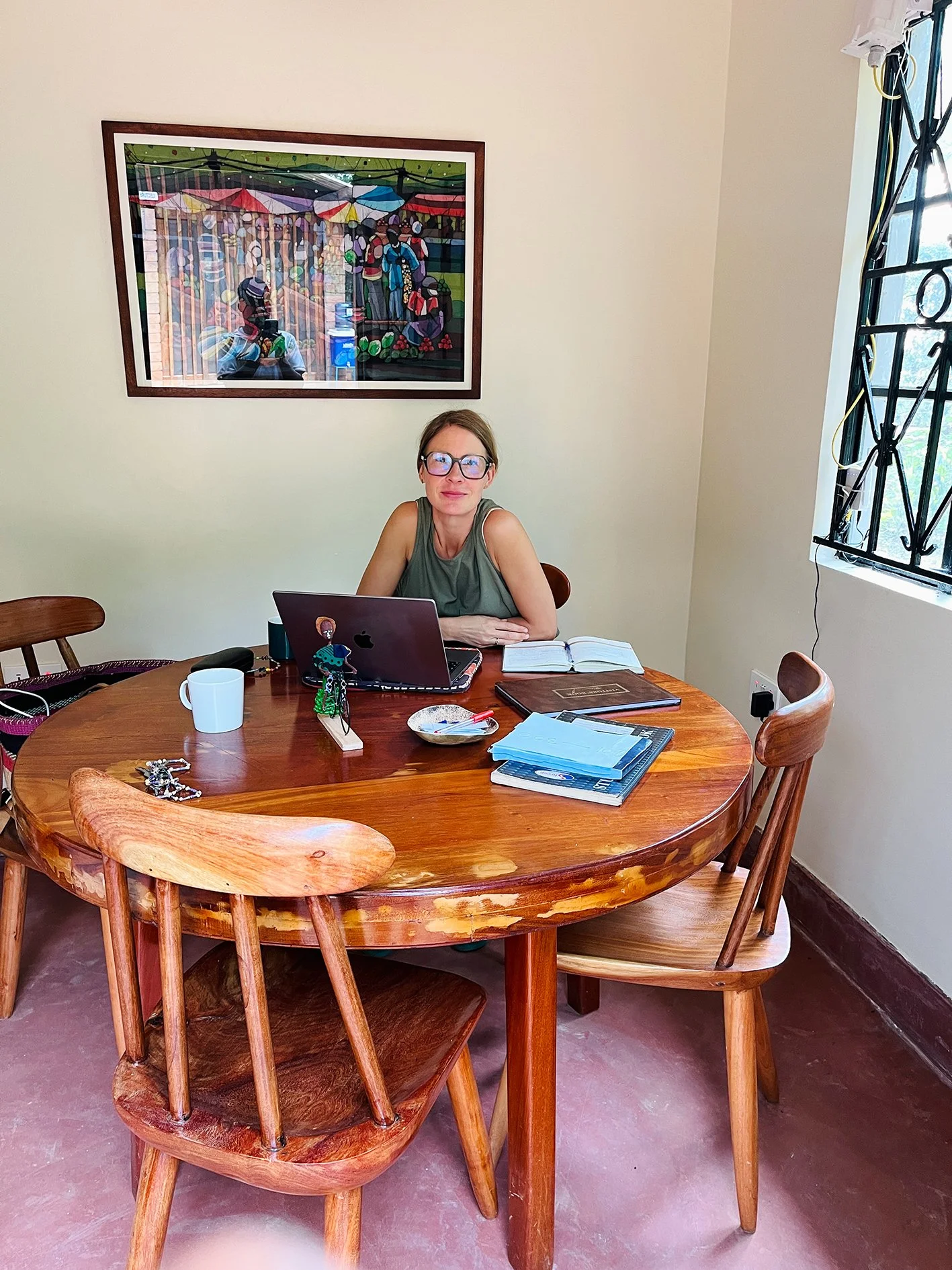
Above: The B&S office in February 2025 and today in the office writing you.
I moved here on the 03rd of January, in 2025 with a handful of support from people who believed in me. At first, it felt like a lot of money. But once you start building something, renovating the BODY&SOIL classroom and headquarters, and investing in our vision of school gardening from soil to plate, the money disappears faster than you can imagine. I learned fast to budget and to think like a Ugandan.
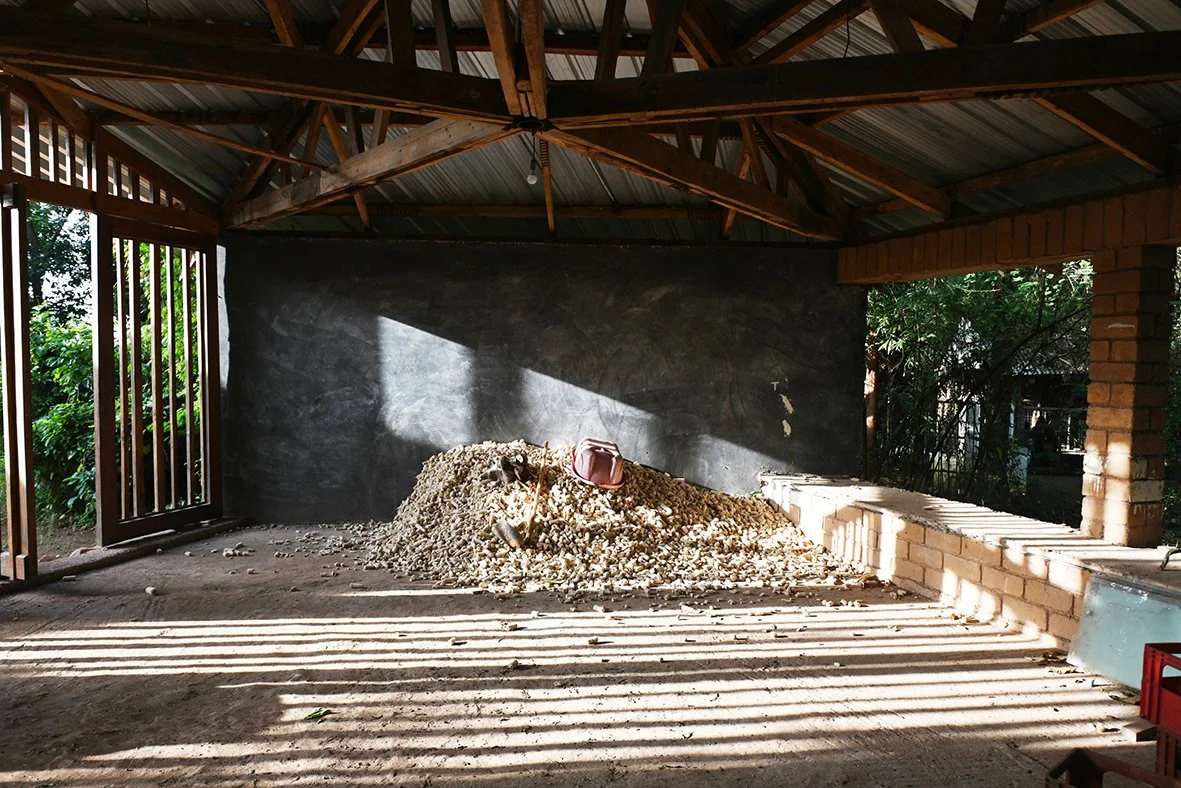
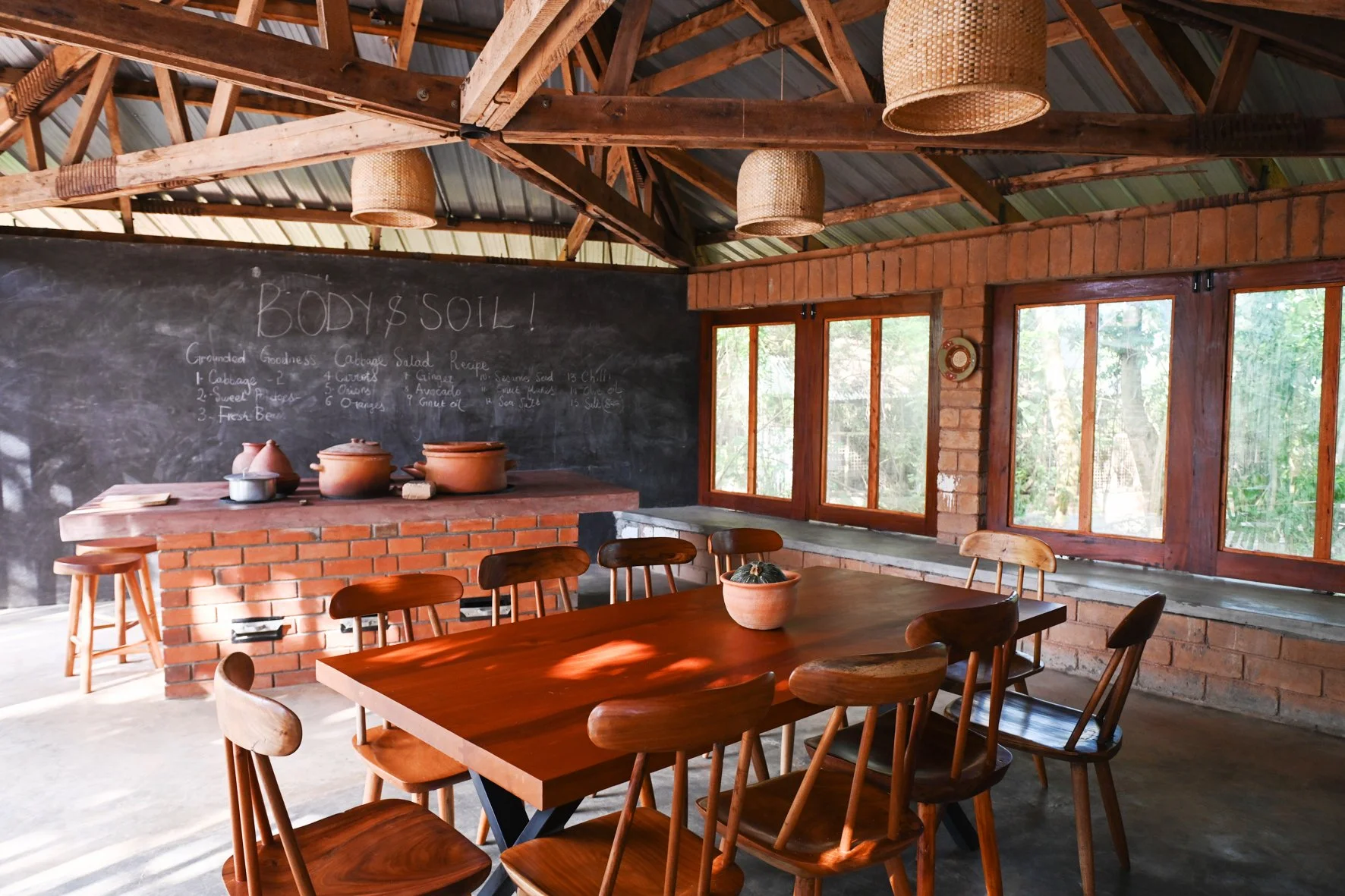
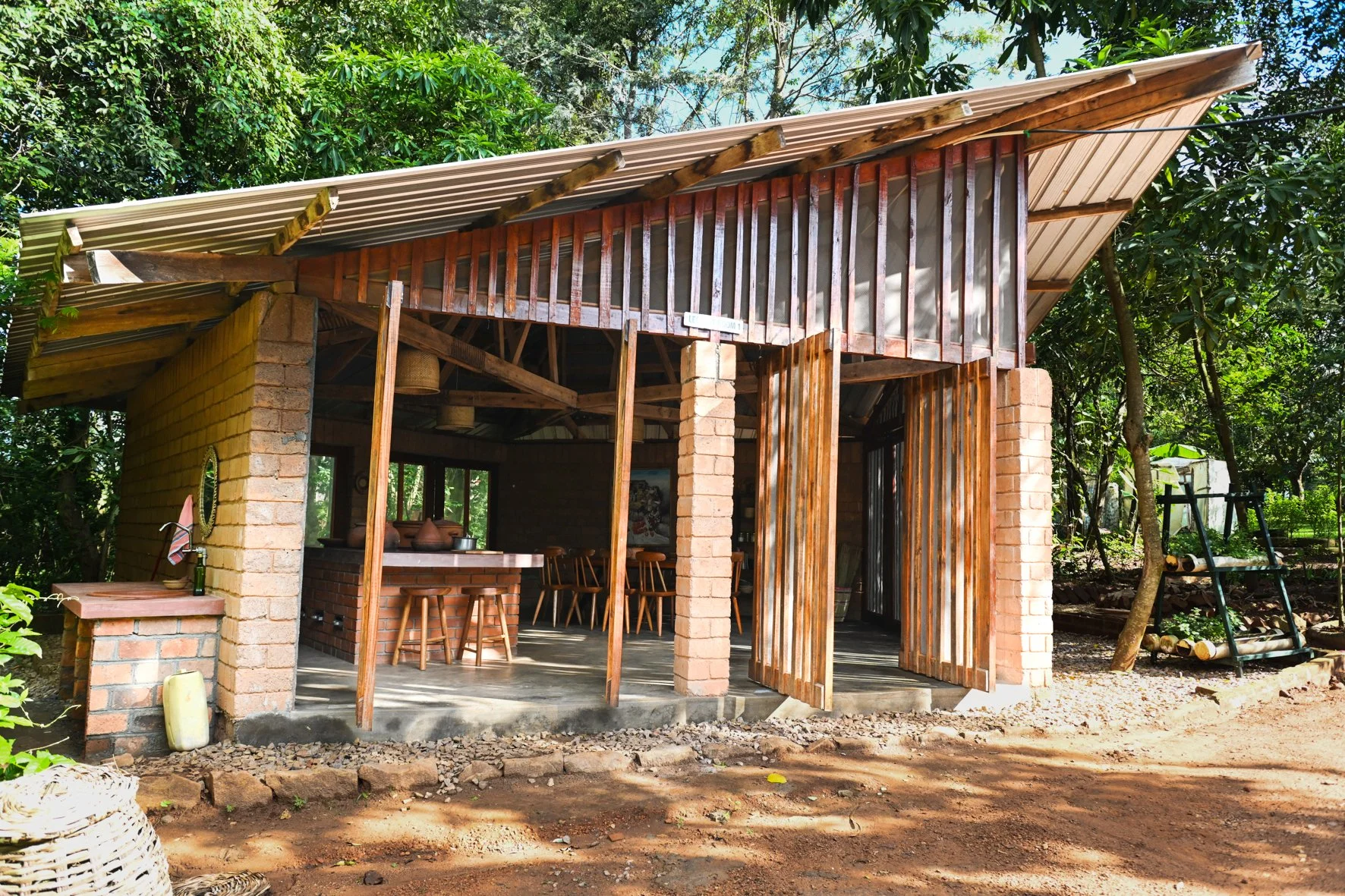
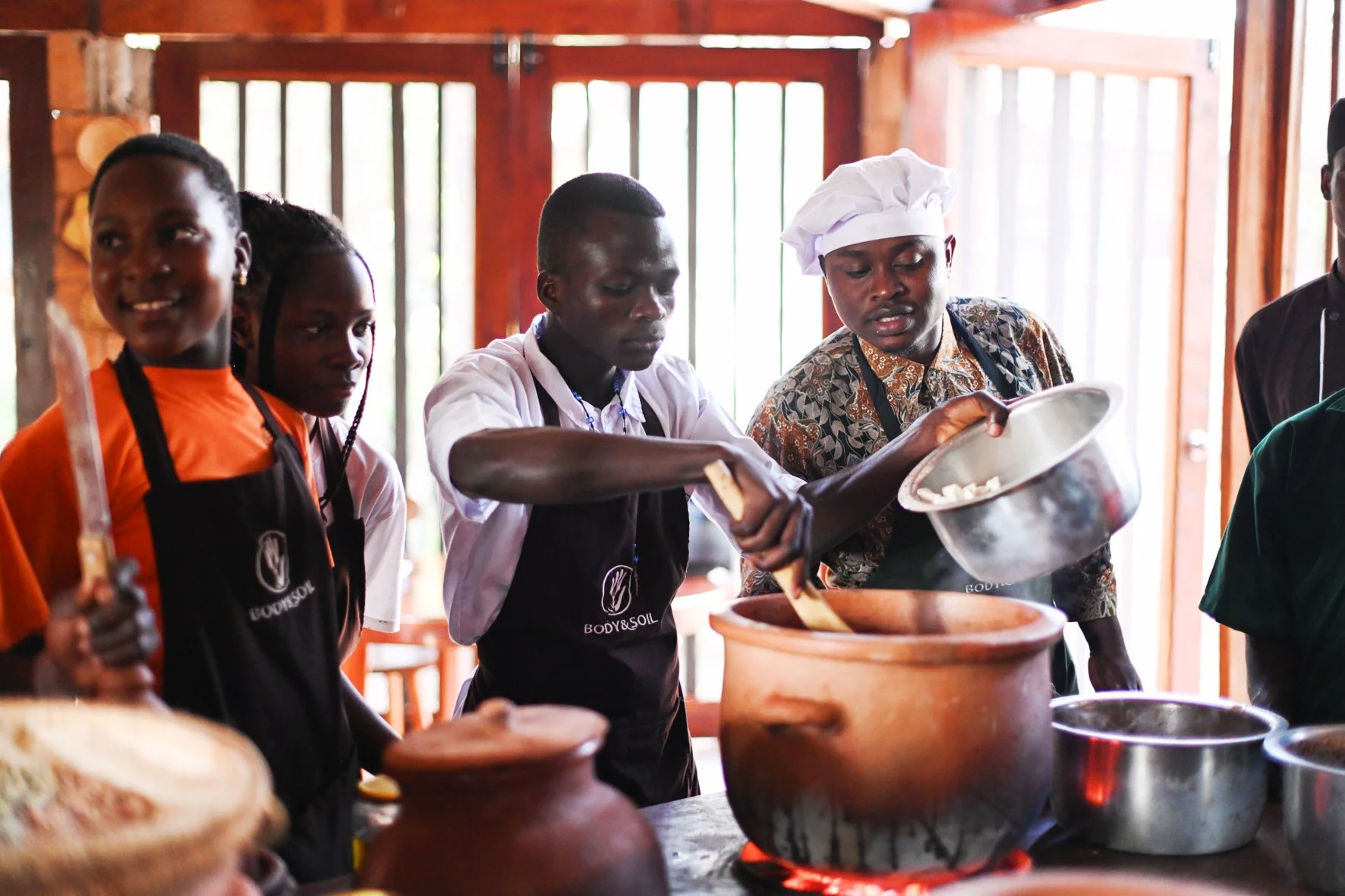
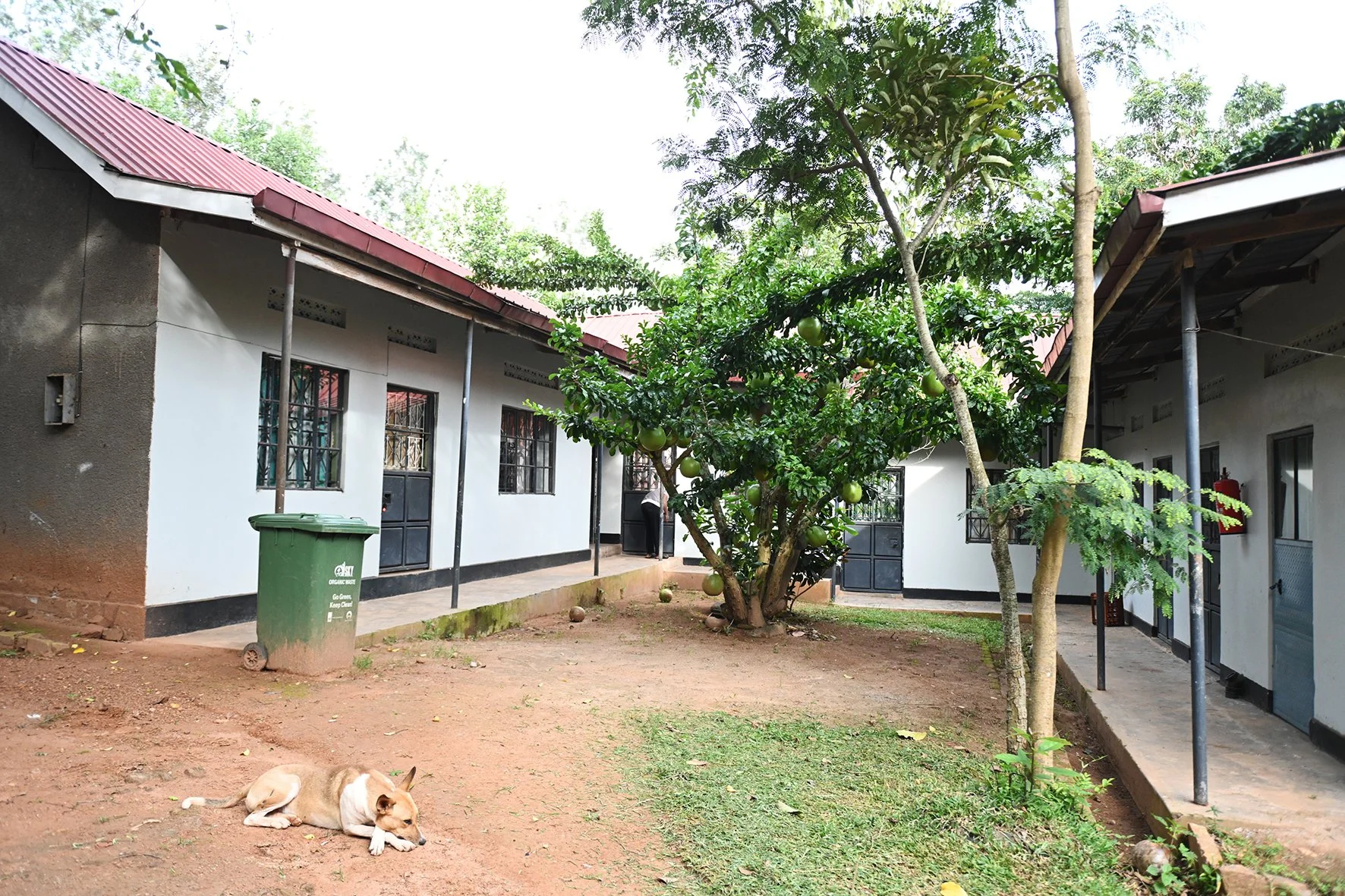
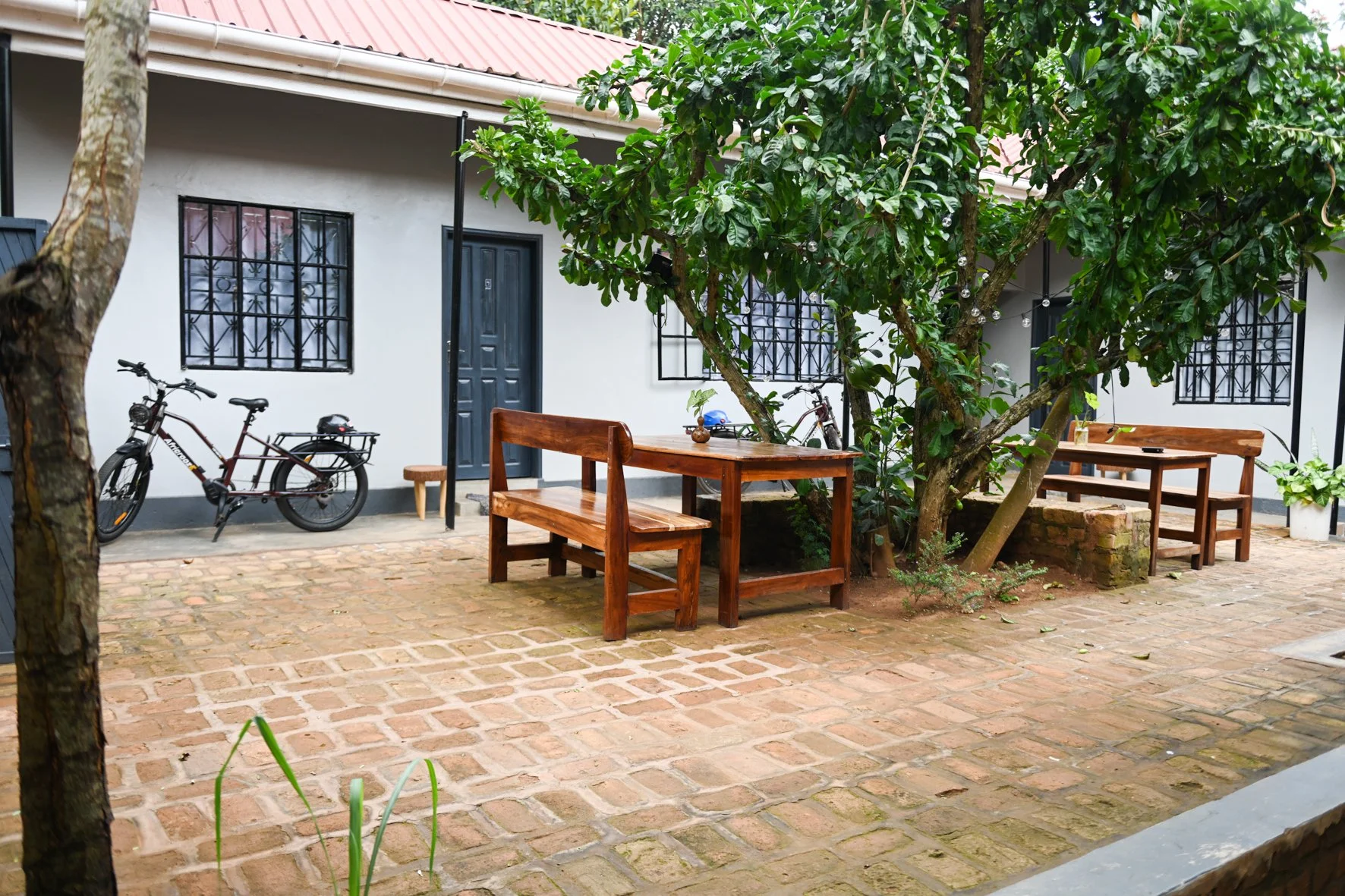
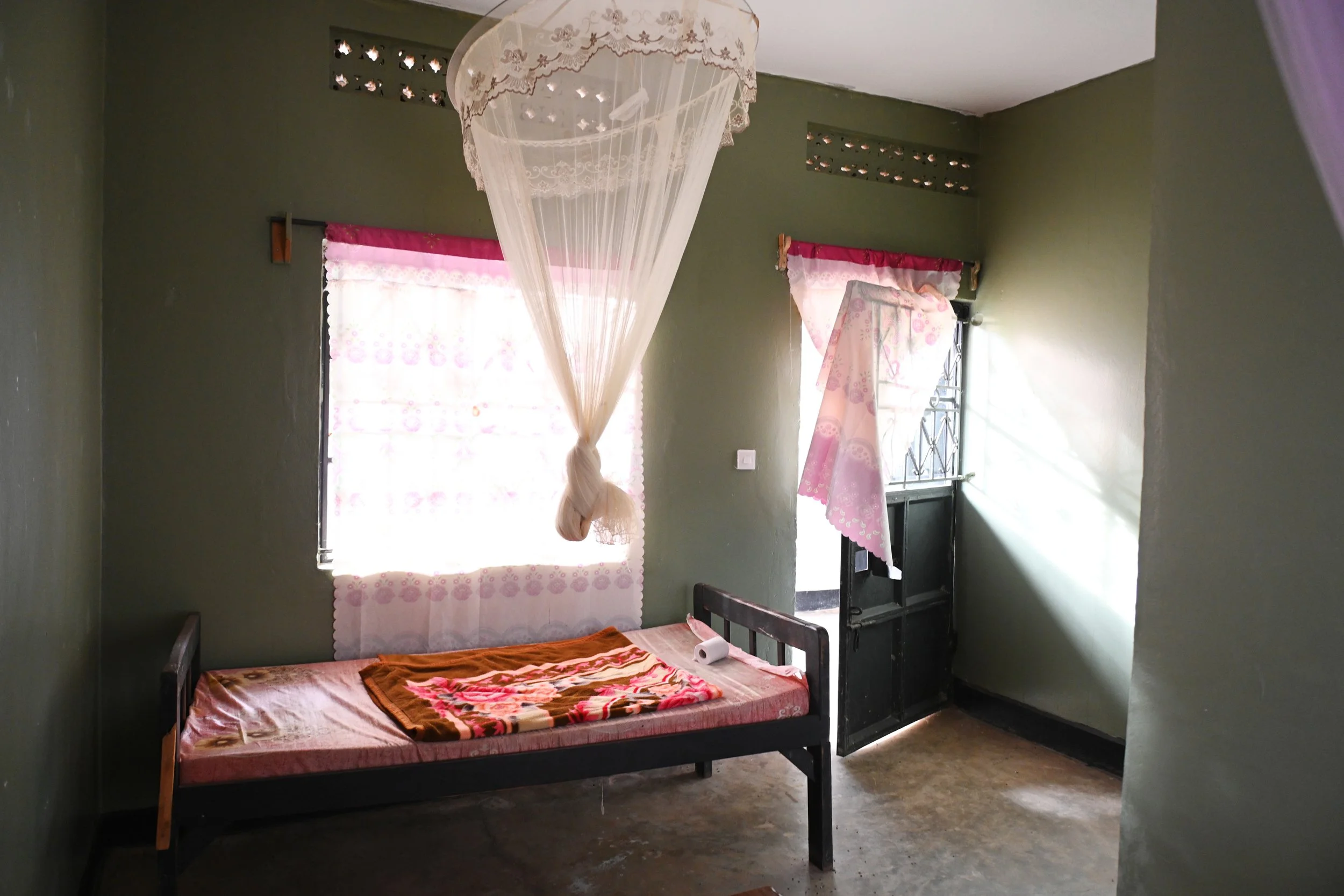
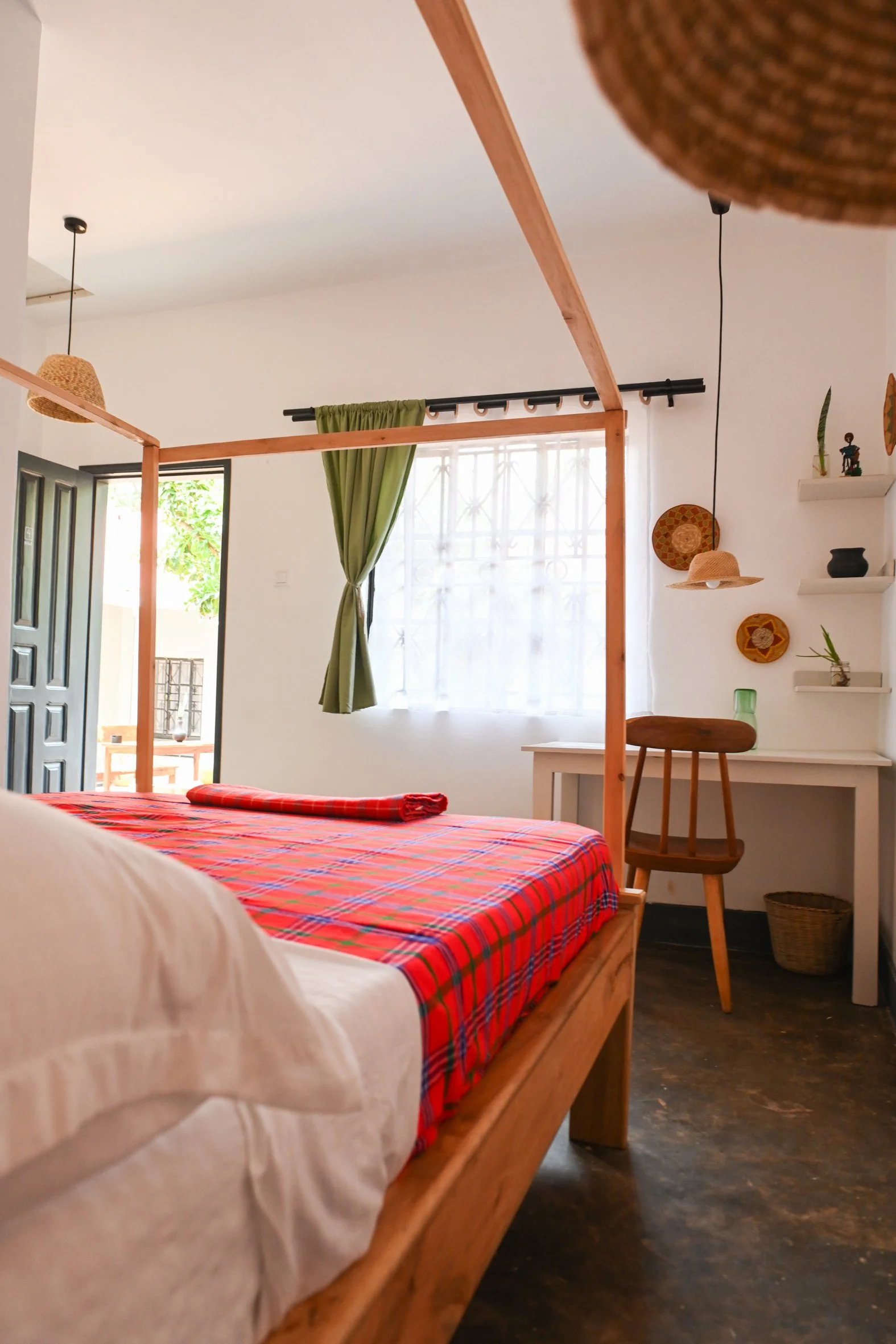
Above: Before and after pictures of the B&S classroom in January 2025 and after the renovations, now featuring an energy-saving kitchen. The B&S headquarters in January 2025 and now. We have added four new guest rooms and a kitchen for the team, as well as an office and my living space.
Every day something new came up. There were moments when I truly thought, I can’t do this. But then I would sit down in the college innovation square, a big lawn, with Samuel Nyanzi (RUCID Director), Stuart Nyanzi (College Manager), and Elisha Ssebadduka (RUCID Principal). We would talk about how to reach schools, what the first steps could be, how to separate children into clubs for regenerative agriculture, hygenic processing, and cooking for nutrition.
Then we went to the schools, introduced ourselves to the parents, and shared what we wanted to do. It all felt painfully slow, and yet something was happening. I had no idea how to do any of this.
When you see children eating maize every day, sometimes beans if their parents can afford it, rarely vegetables, you know it doesn’t matter if you don’t yet know how to change the system. You just know you have to try.
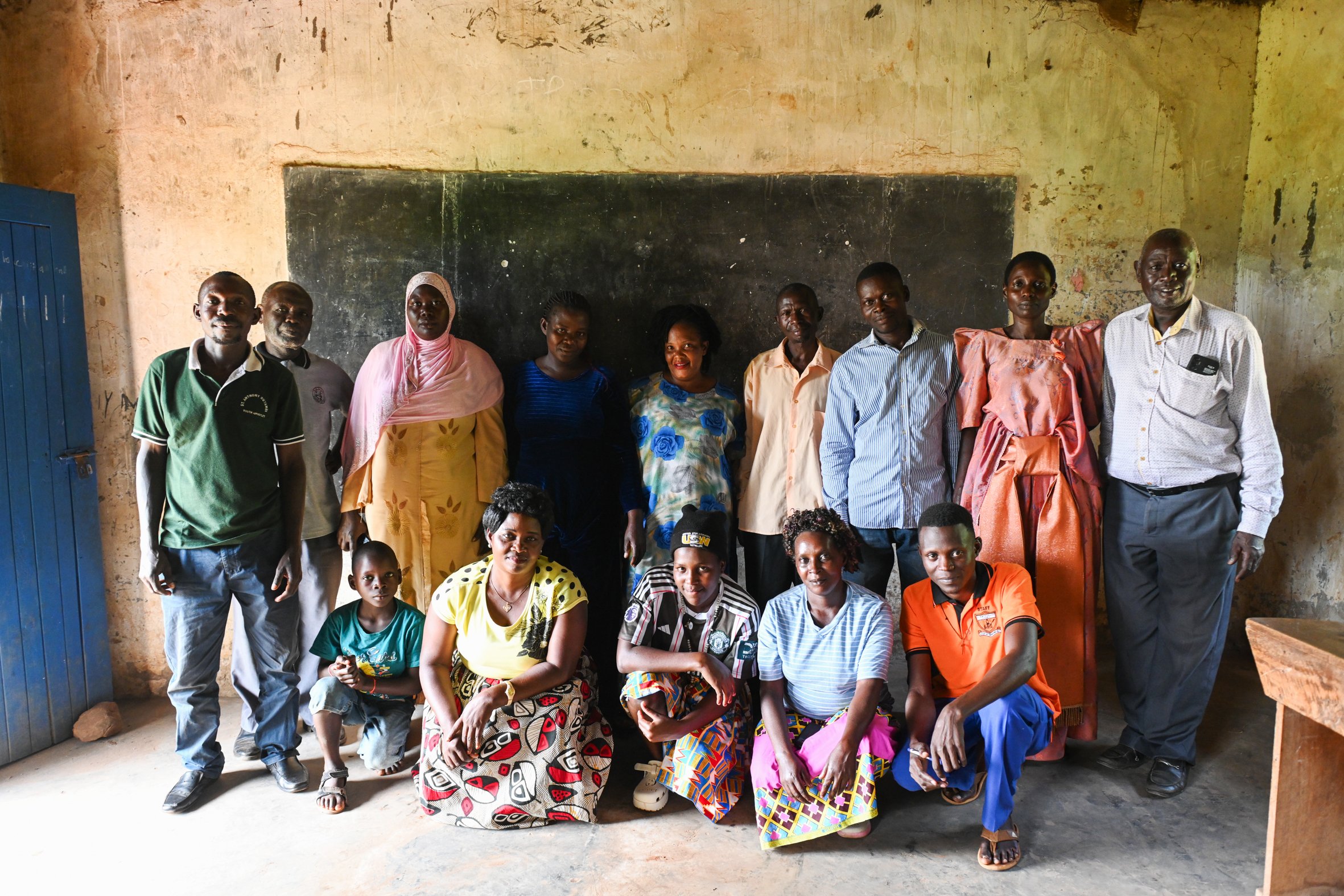
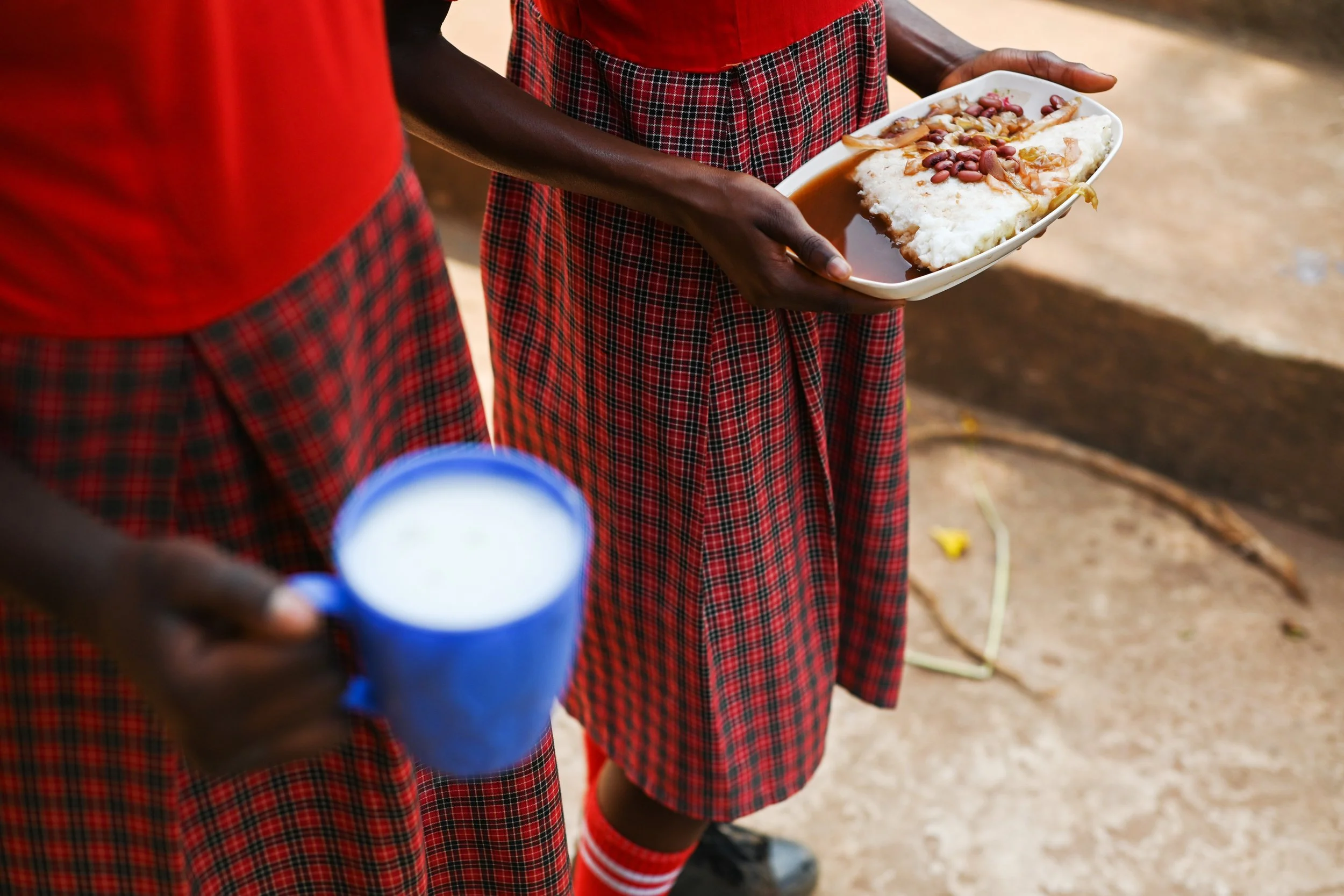
Above: Our first meeting with some of the parents. Children in schools across Uganda and Africa often eat maize meal porridge and beans every day—sometimes nothing or just a thin maize meal porridge.
What has been especially interesting about coming in as a foreigner into an established local institution is hearing perspectives that are never voiced at summits or large meetings, where everyone has a prepared speech, people leave, and very little changes. What I was hearing and seeing, and still am, were real challenges we wanted to face together. Not by trying to fit into the interests of outside organizations, but by turning things around and asking:
What if we simply move forward and do what we believe and see is needed here, in communities and schools, and trust that the funding will follow?
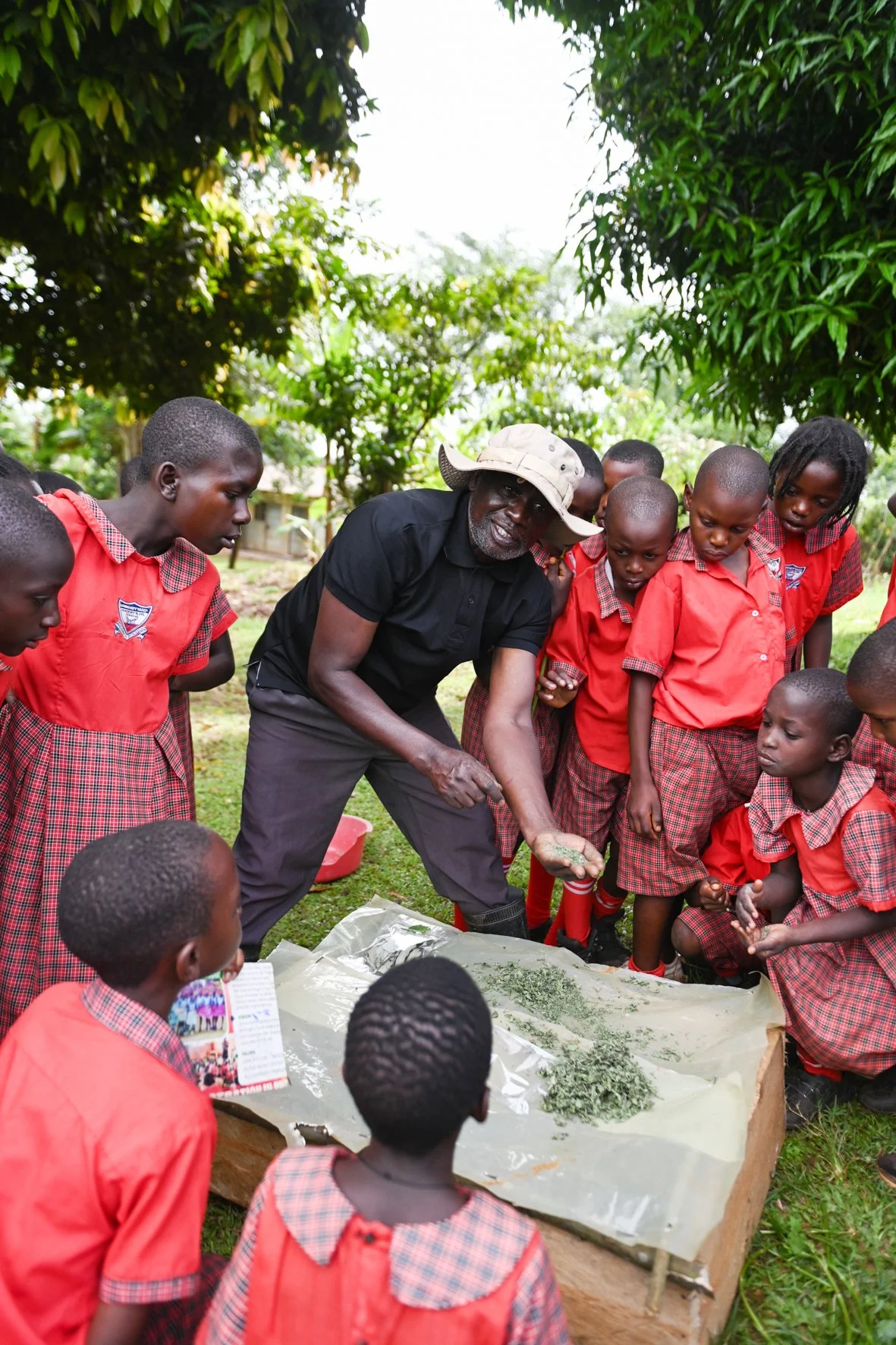
I remember our first classes in the schools. Watching Samuel teach children how to dry greens from the garden using a simple wooden box. I was in awe of his gift as a teacher and the depth of his knowledge, and how every word he spoke in Luganda was absorbed by the children.
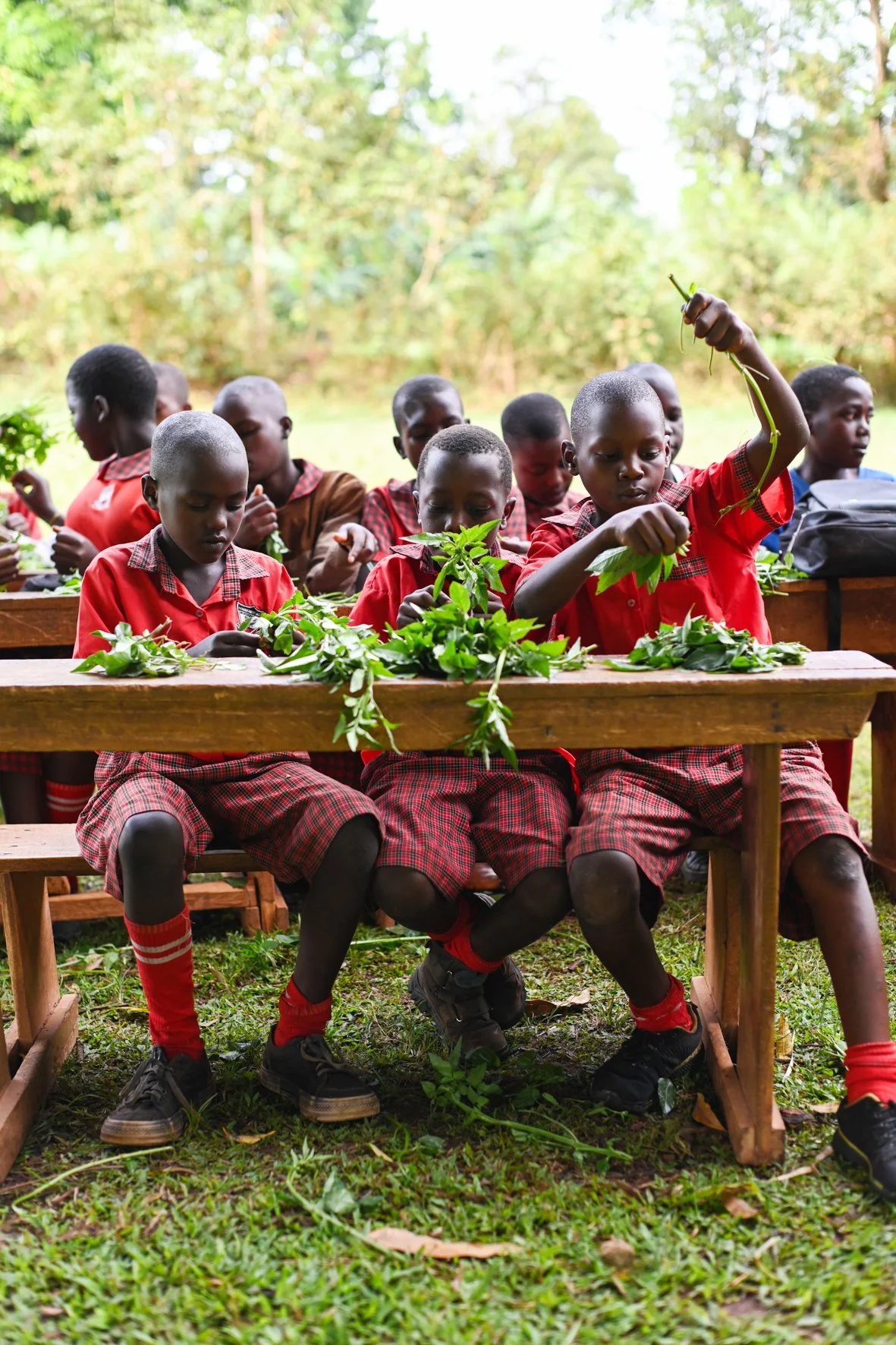
I watched Stuart, now also the BODY&SOIL project manager, driving between community schools, sometimes running out of fuel because the budget was tight, talking to teachers, coordinating, trying to spark inspiration. I watched Elisha guiding children through the RUCID college garden, explaining the basic principles of agroecology, while school kids carefully took notes.
And for the first time in my life, I stood in front of children and gave a nutrition class, realizing that it didn’t need to be complicated. Quite the opposite. It had to be extremely basic to spark something in their curious minds.
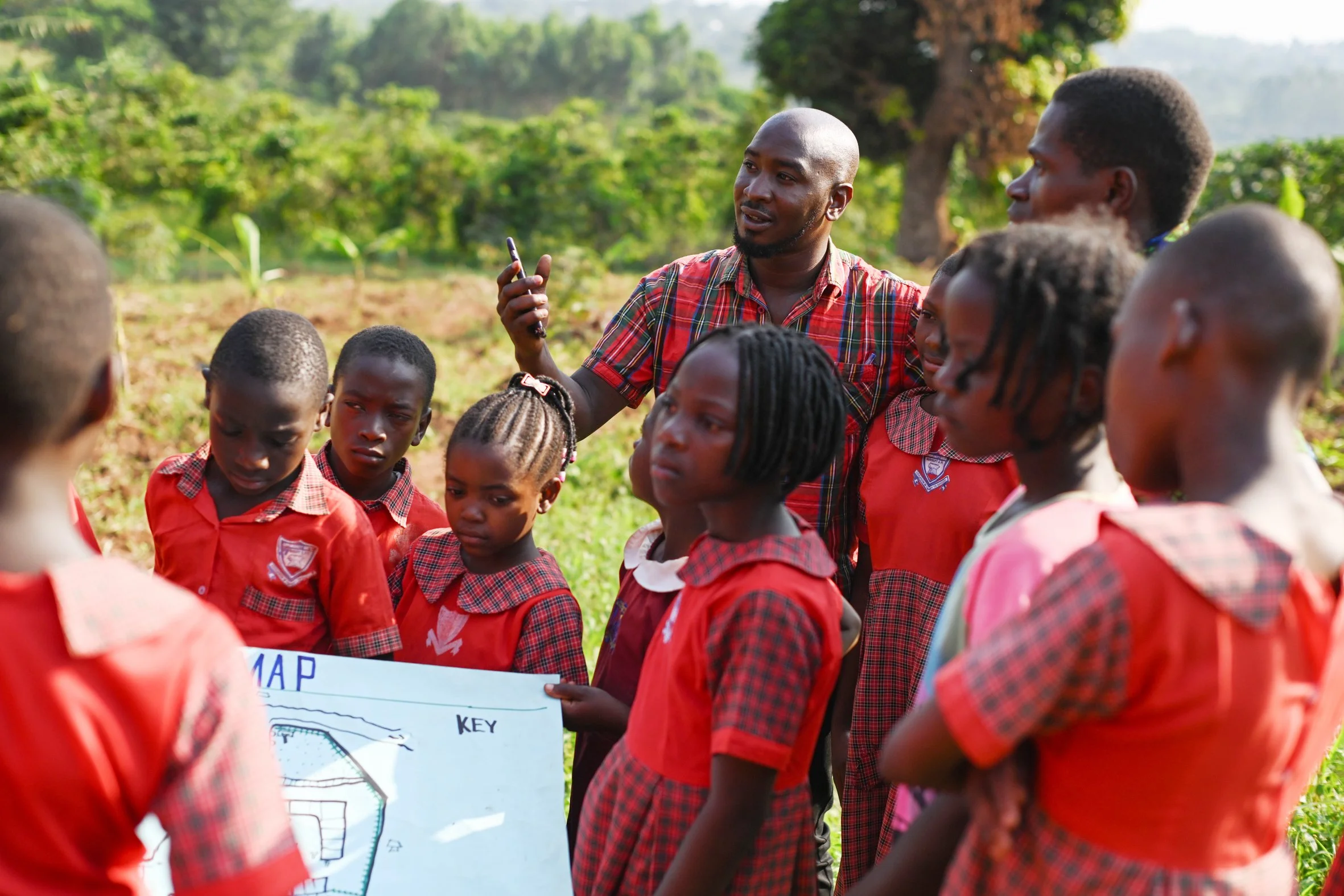
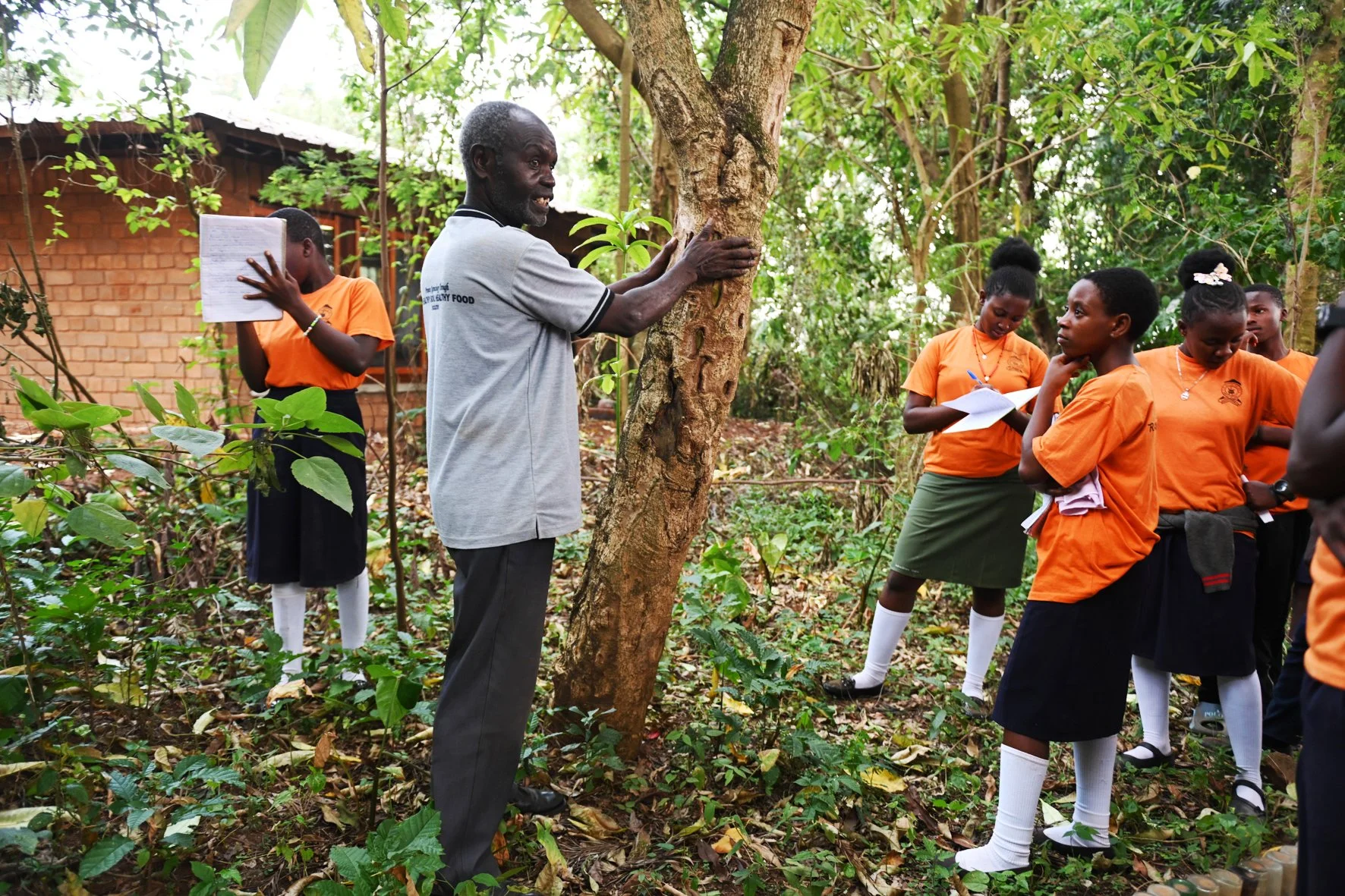
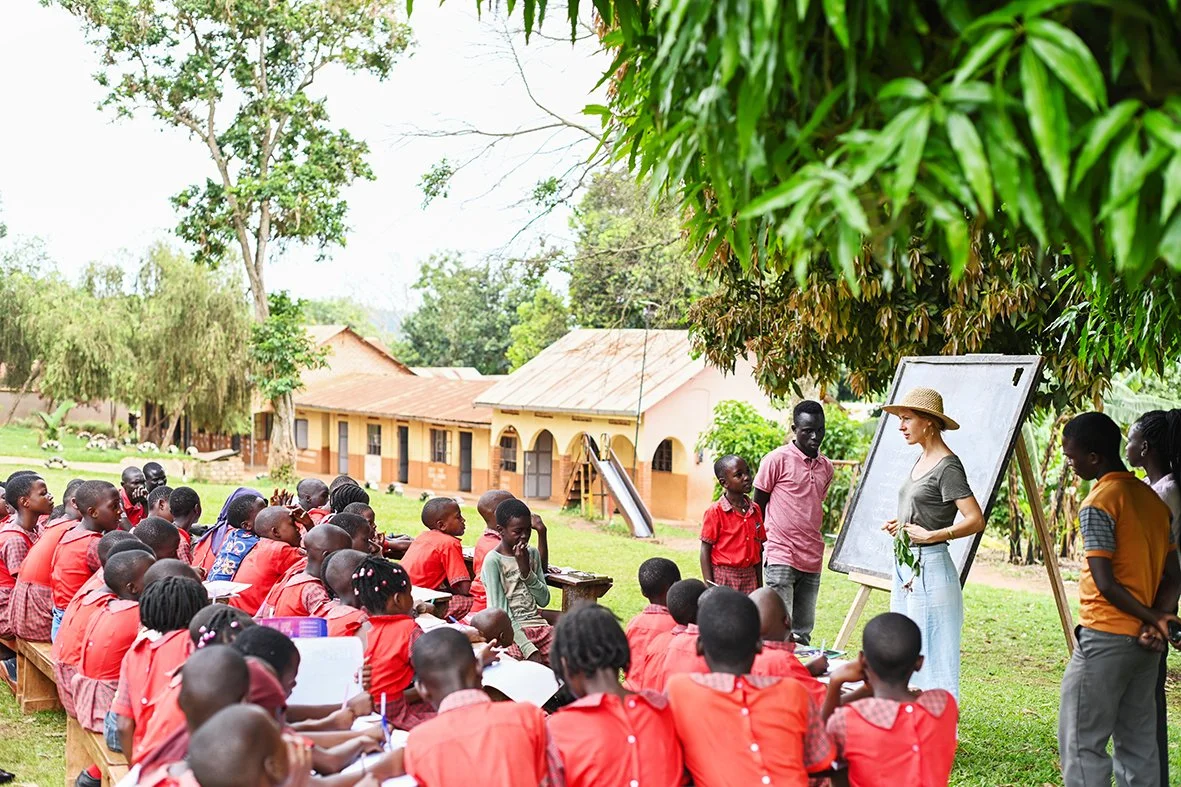
For the first three and a half months of 2025, I had no idea if we would find the financial means we needed. But I remember saying to the team, on our way back to RUCID after a school lesson: “What we are doing is so meaningful. There has to be a way for this to continue.”
And there was.
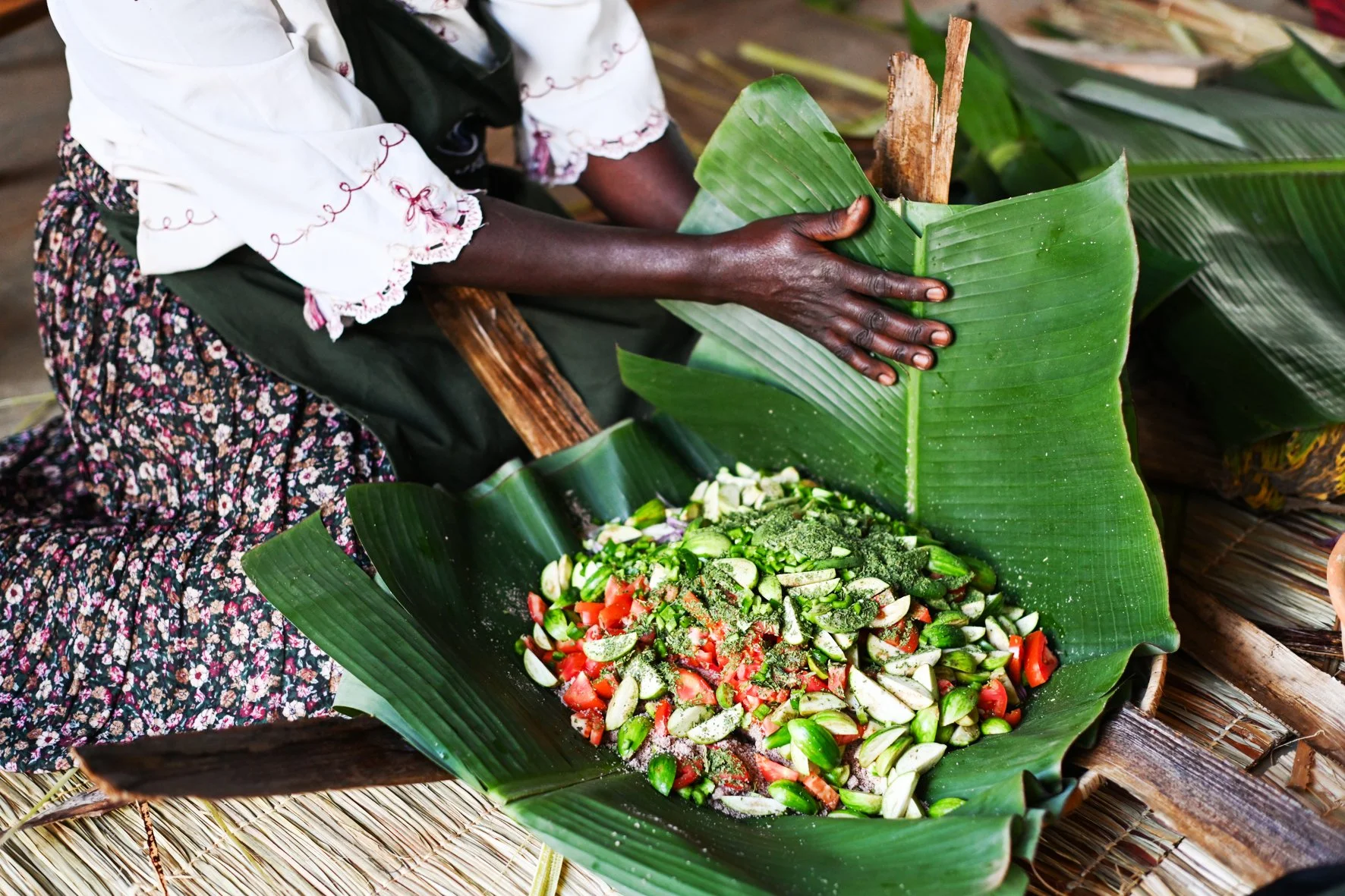
We found the right small and larger partners who believed in our vision of building structures that help people heal from soil to plate. For those of you who are new here, I share the detailed story of our growth in 2025 in my different blog posts.
As I reflect on the year in the latest BODY&SOIL podcast episode, which you can listen to here (also on YouTube), I share something important we’ve achieved. Even though we did not reach all the goals we had set, what we did create together was a blueprint.
A methodology that grew organically by putting people and their passions first, investing in those, and then taking action. Allowing space to adapt, not having everything predetermined, embracing internal conflict, thinking holistically, and trusting the process.
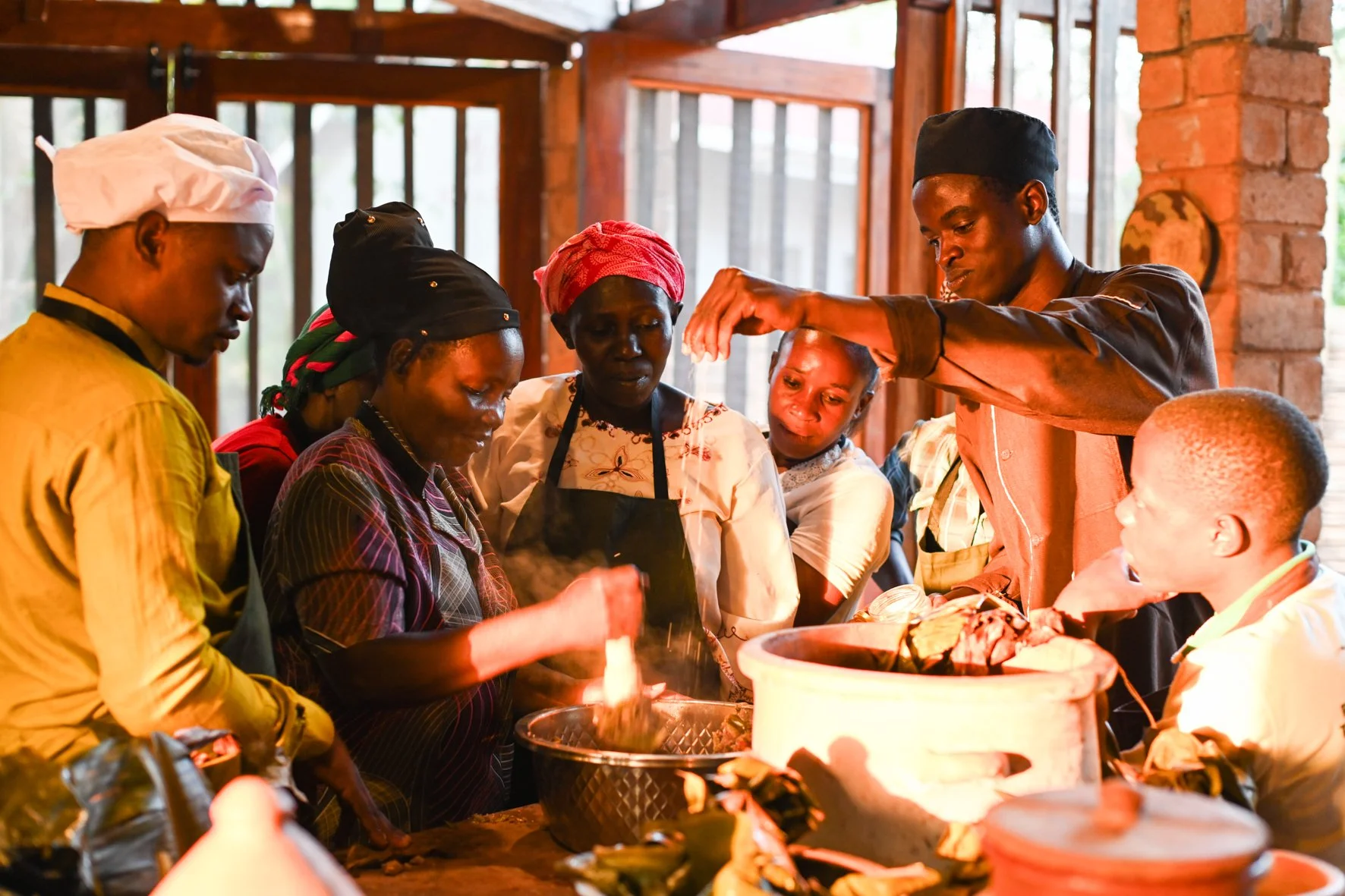
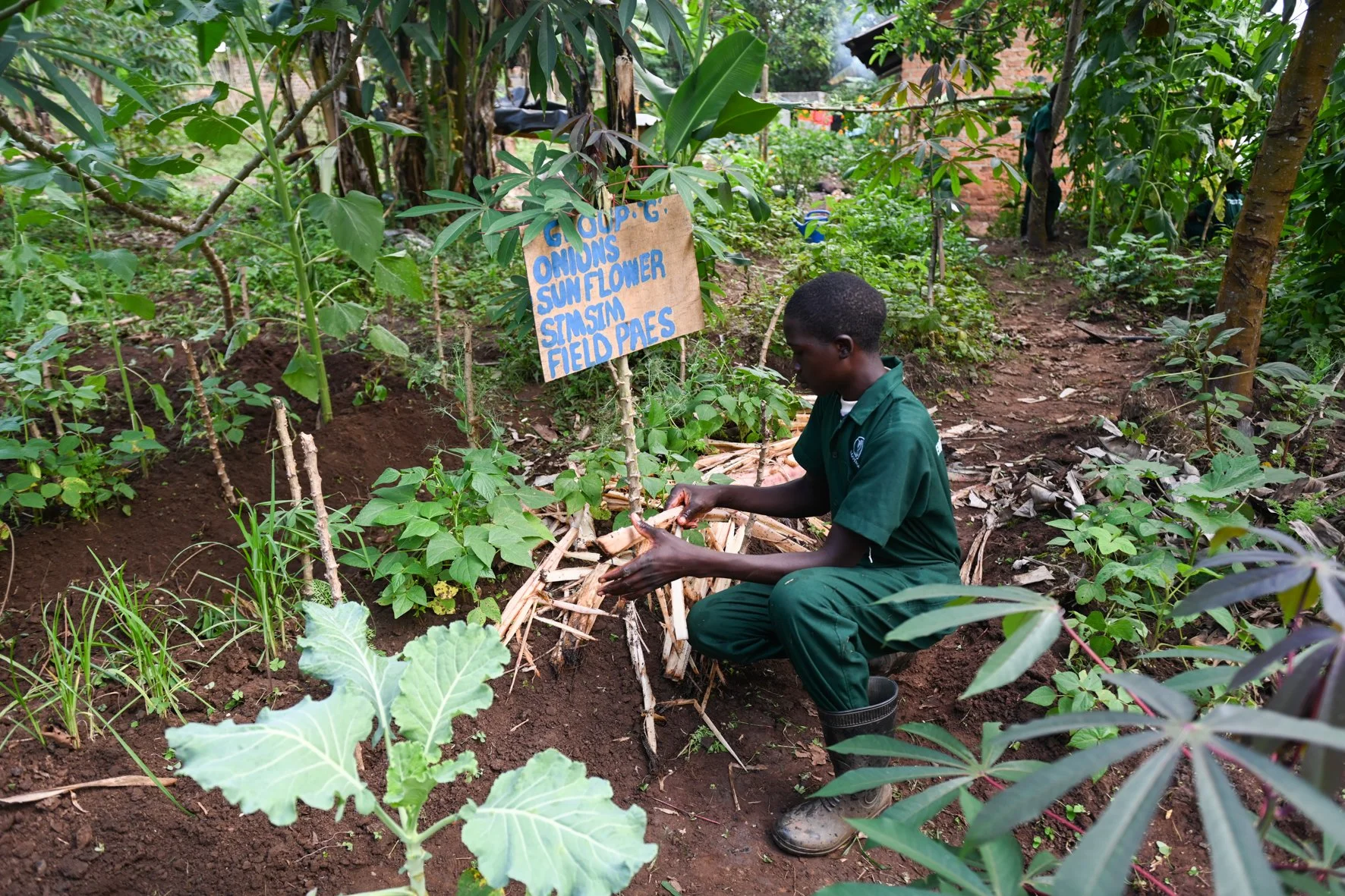
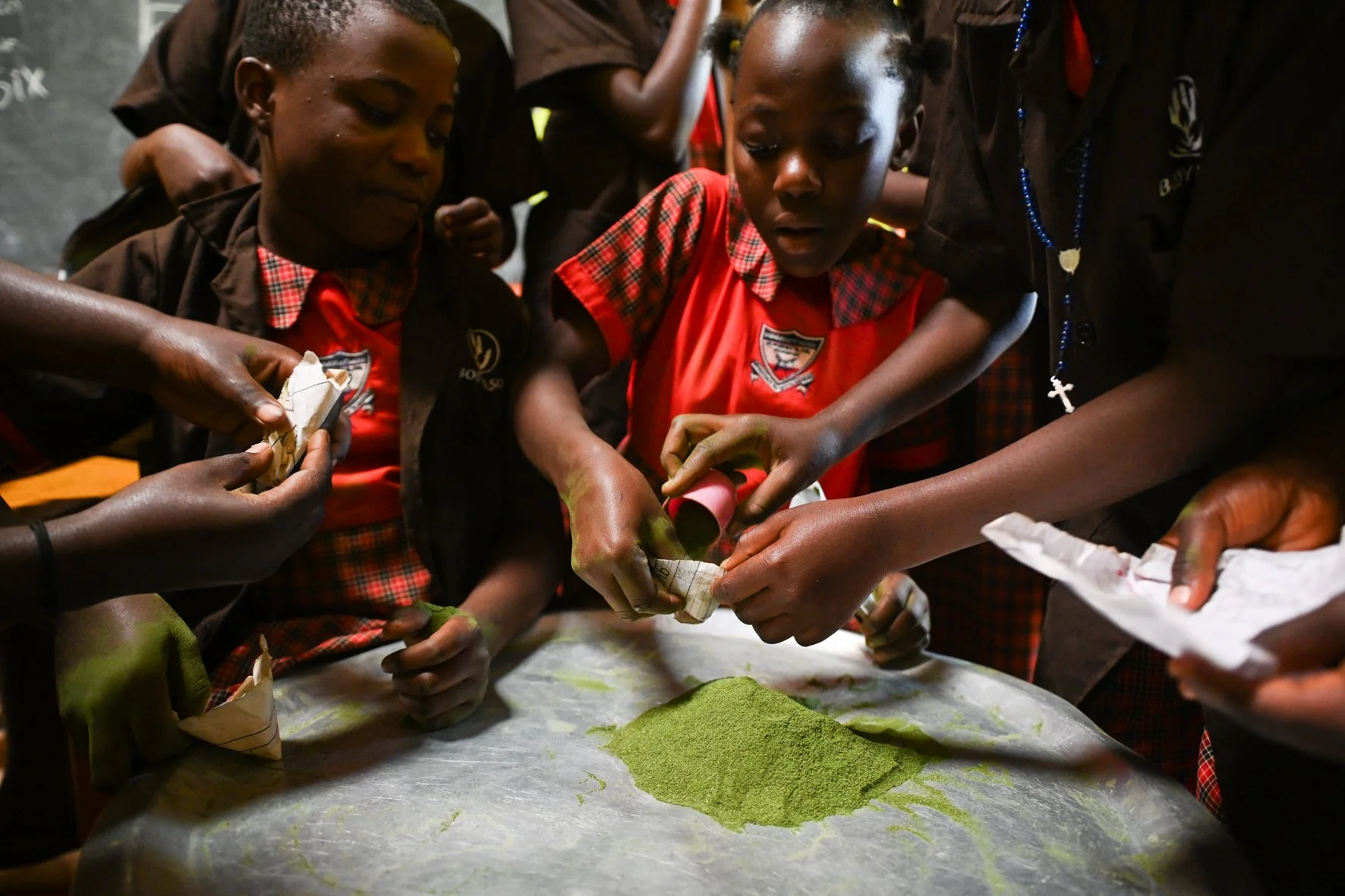
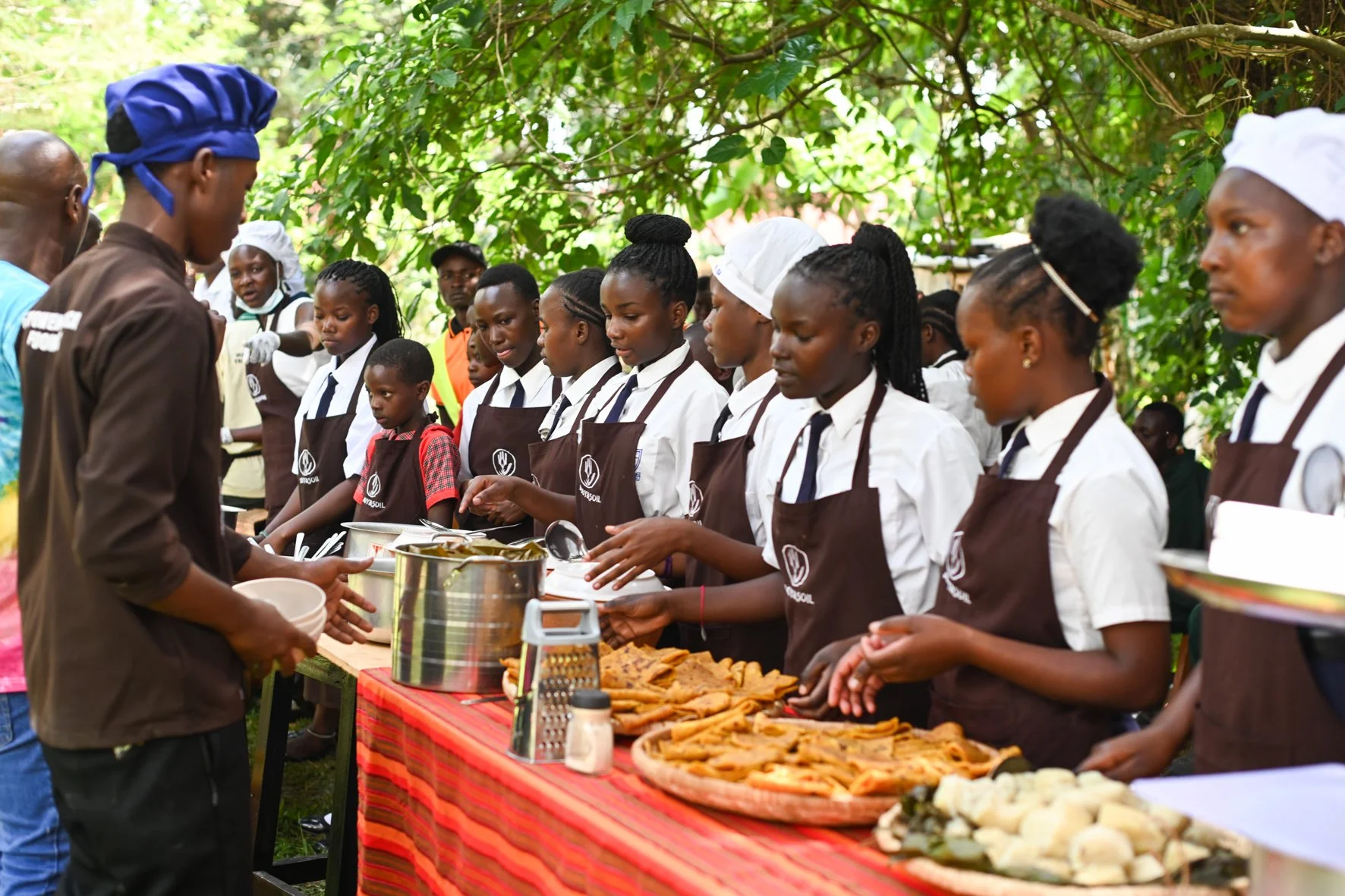
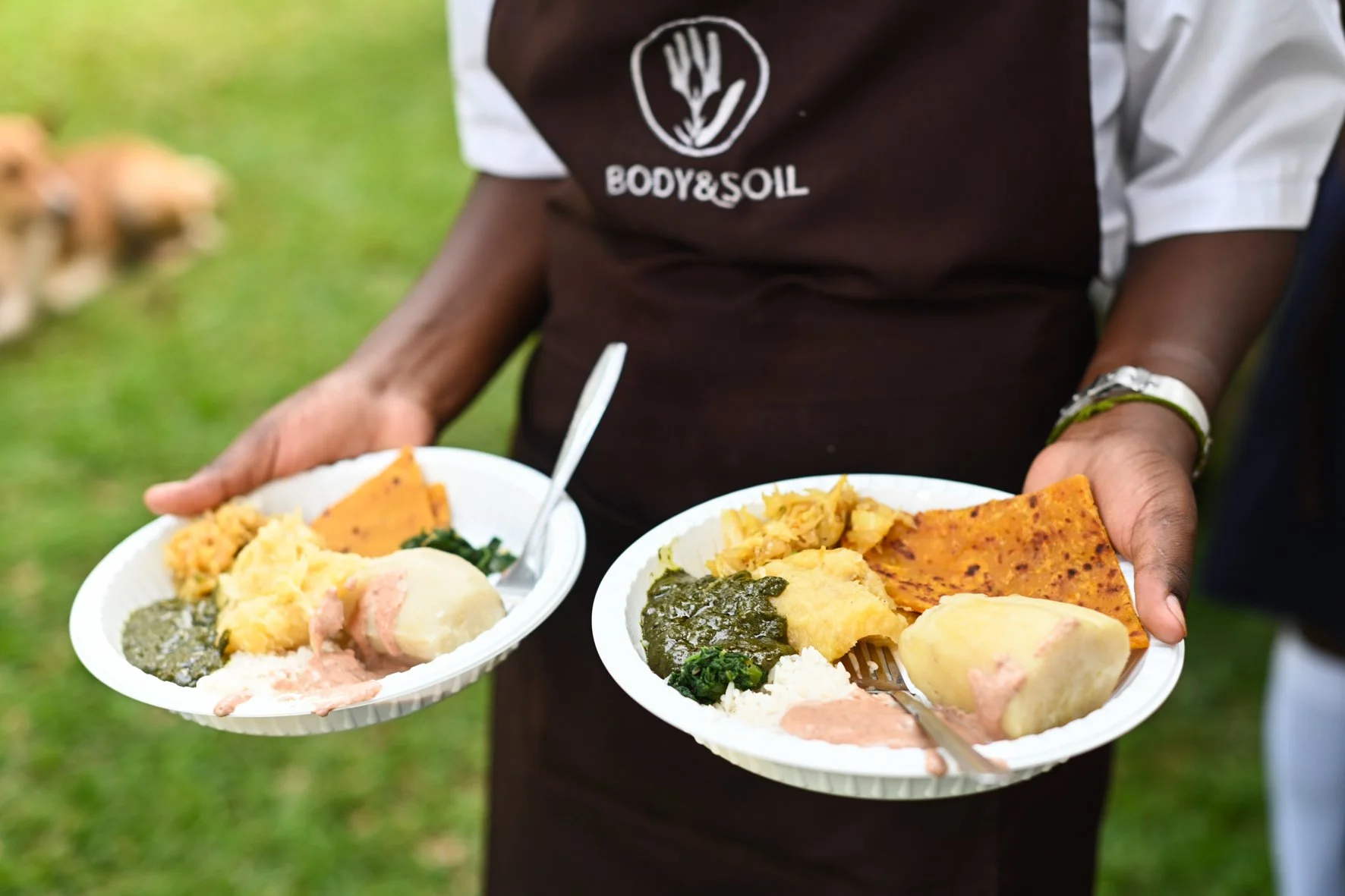
Let me give you one example.
Stuart, who plays football almost every evening after work, came to me some time ago asking if his football team could somehow be involved in BODY&SOIL, how can they be introduced into the programs. Most of the players are farmers from eight surrounding communities. I asked him to come up with a concept that felt natural to him.
In November, he had the idea to organize a BODY&SOIL football tournament. The finals were held on December 25th, after Christmas lunch. Around 200 people gathered to watch. Both finalist teams received a goat as first and second prize, and Stuart paid the referee out of his own pocket, for the tournament.
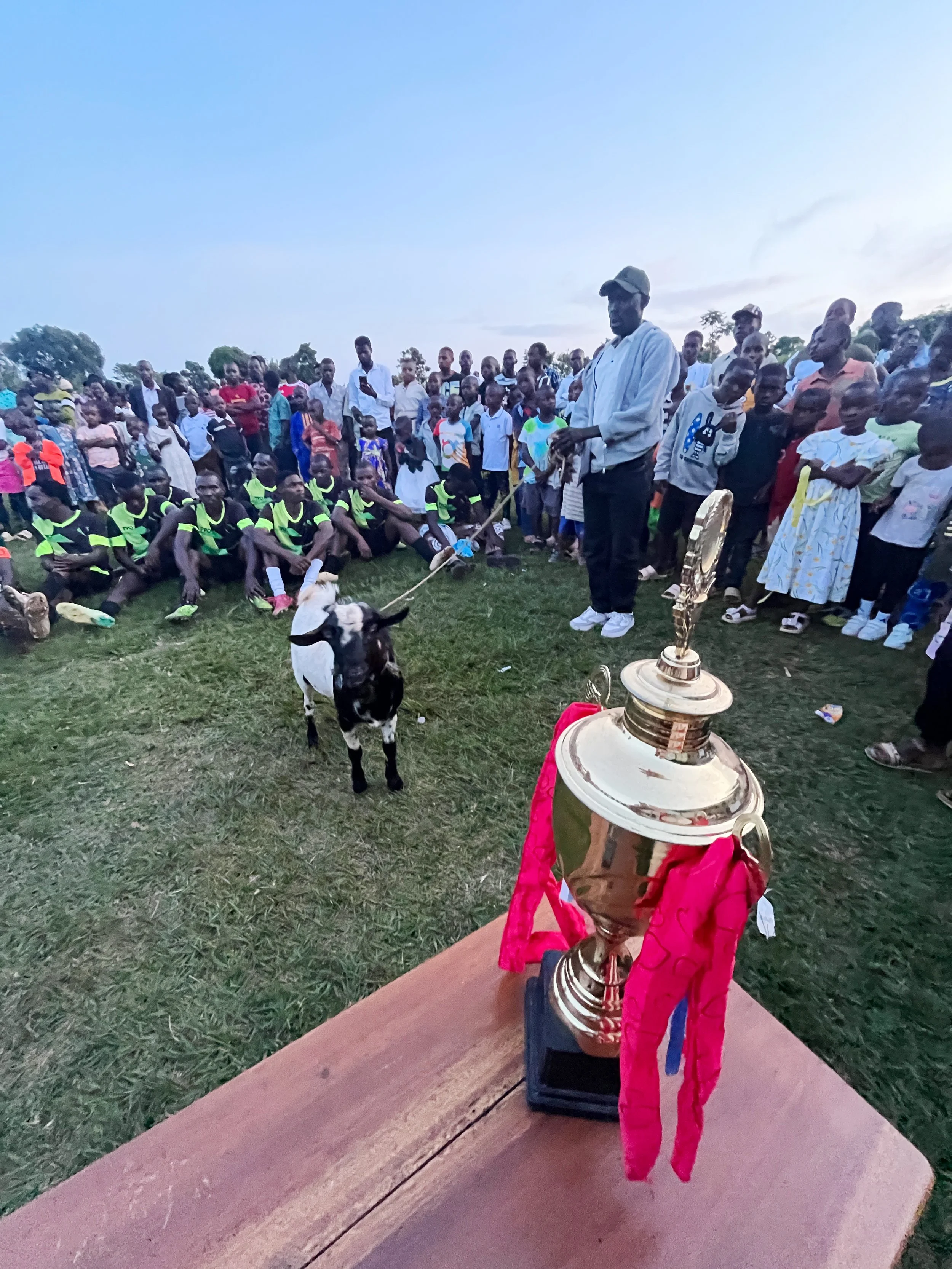
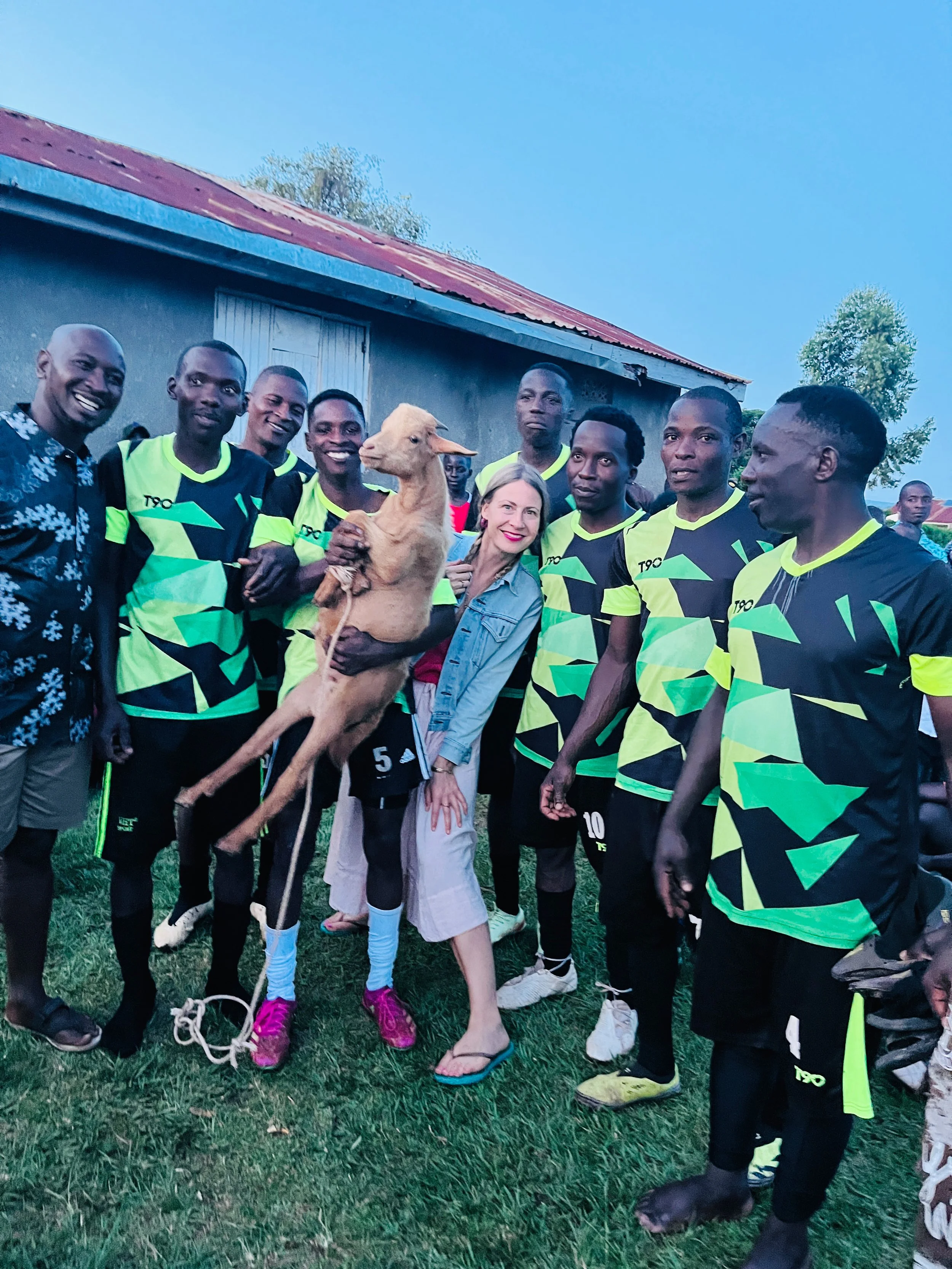
The winning team was then invited to the BODY&SOIL classroom at RUCID on December 31st. That day, we simply introduced what we do and what we can offer: training in bio-fertilizers, regenerative farming practices, hygienic processing, seed bank exchange, and cooking for nutrition.
What moved me most was the turnout. Twenty-four men and four boys showed up. Curious faces, attentive listening, and thoughtful questions afterwards:
“Could you come to our communities to give trainings?”
“Is it possible not just to attend weekly trainings, but to take it further and receive a certificate in for example fertilizer production?”
An LC1, a community leader, ended the meeting by saying: “We thank you for this. Please give us more chances to learn.”
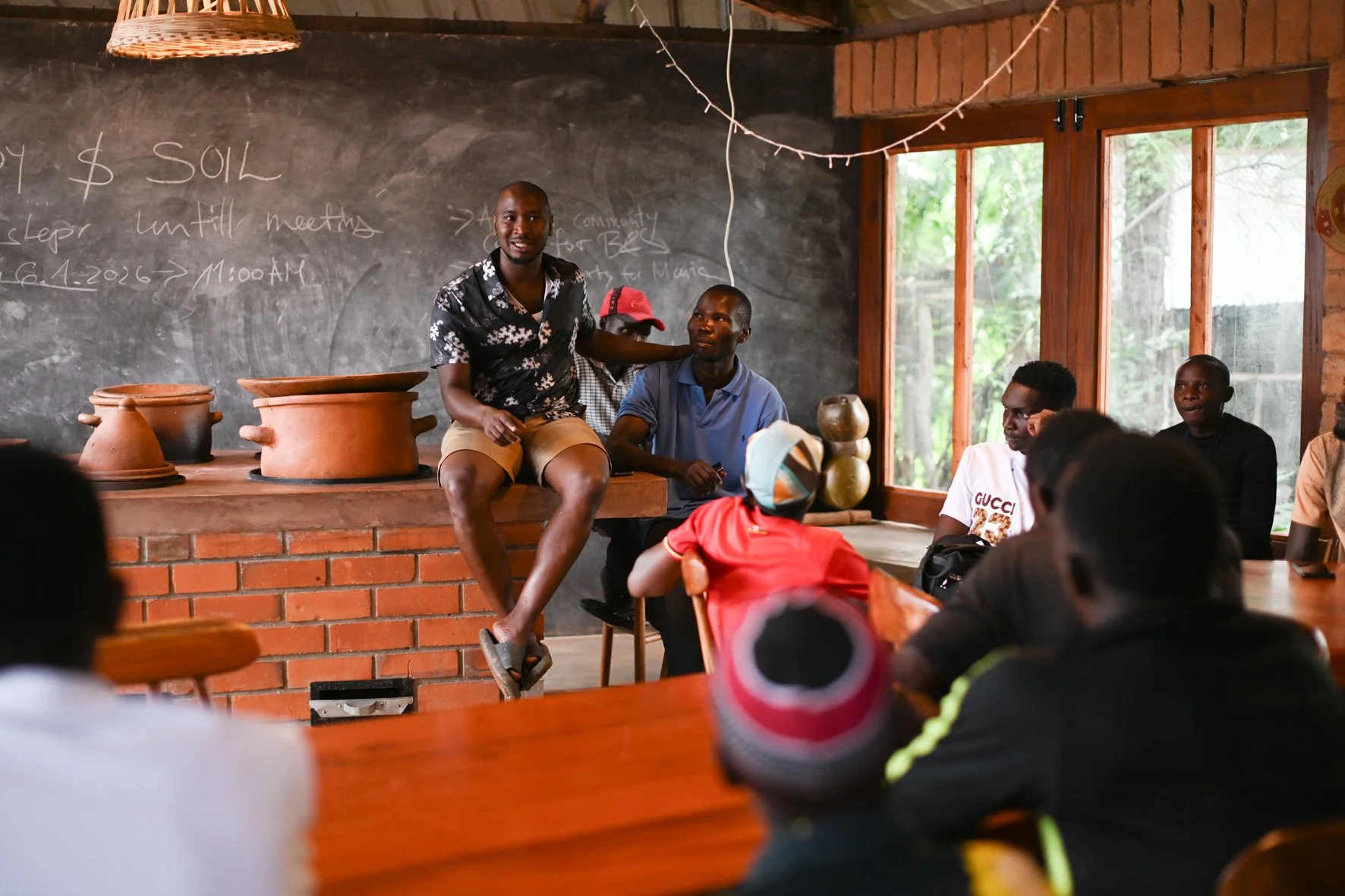
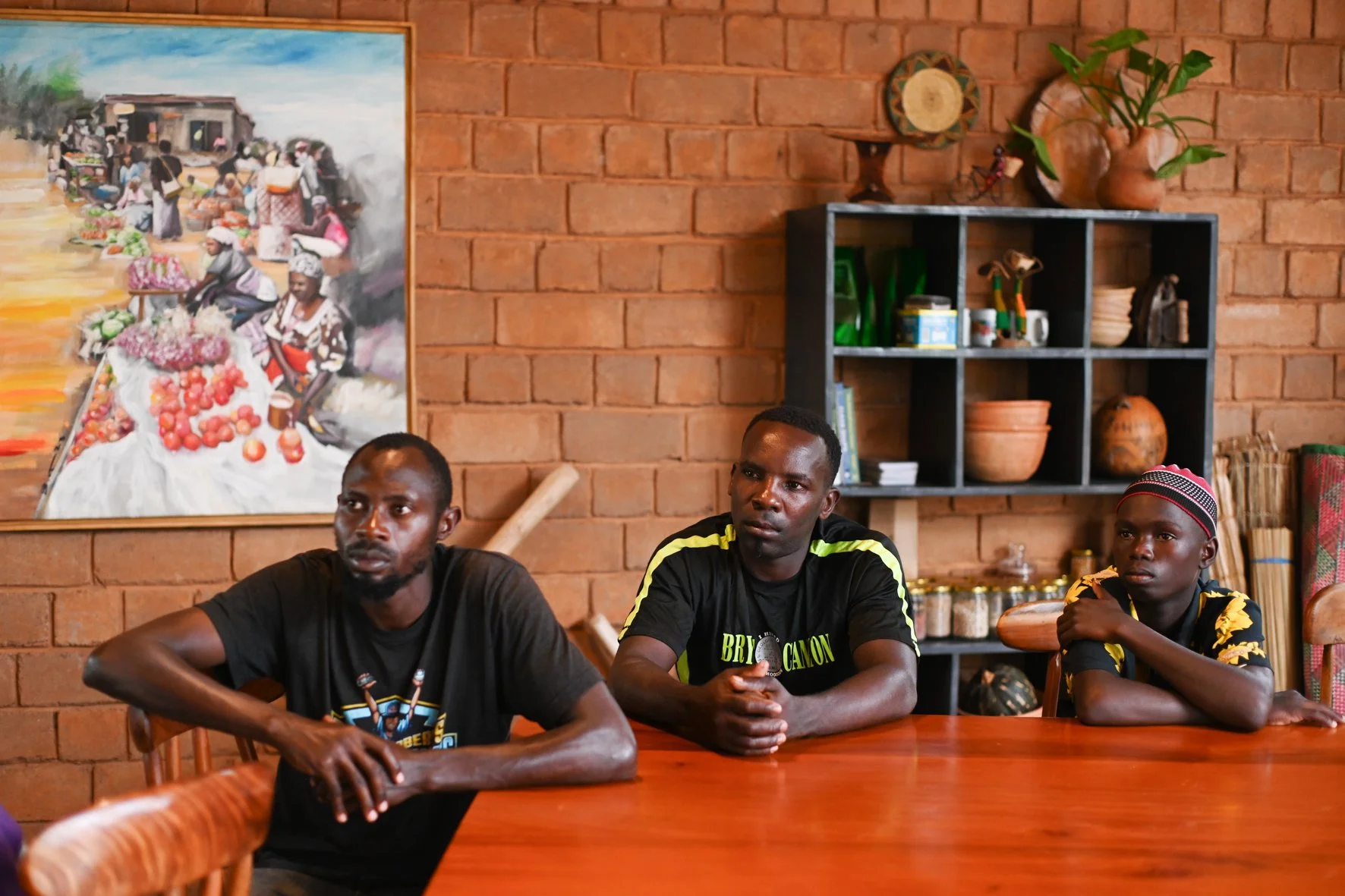
Above: Stuart Nyanzi, explaining to his fellow football team the concept of B&S and what we offer at the RUCID Organic College.
That moment made it very clear that starting in January, we need to offer weekly trainings not only for schools, but also for communities. Not because of a predetermined program designed by outsiders, and not by excluding genders or topics, but because the demand is coming from within.
I don’t know where we will stand at the end of 2026. But I do know that through Stuart’s passion, a door opened to the next organic step.
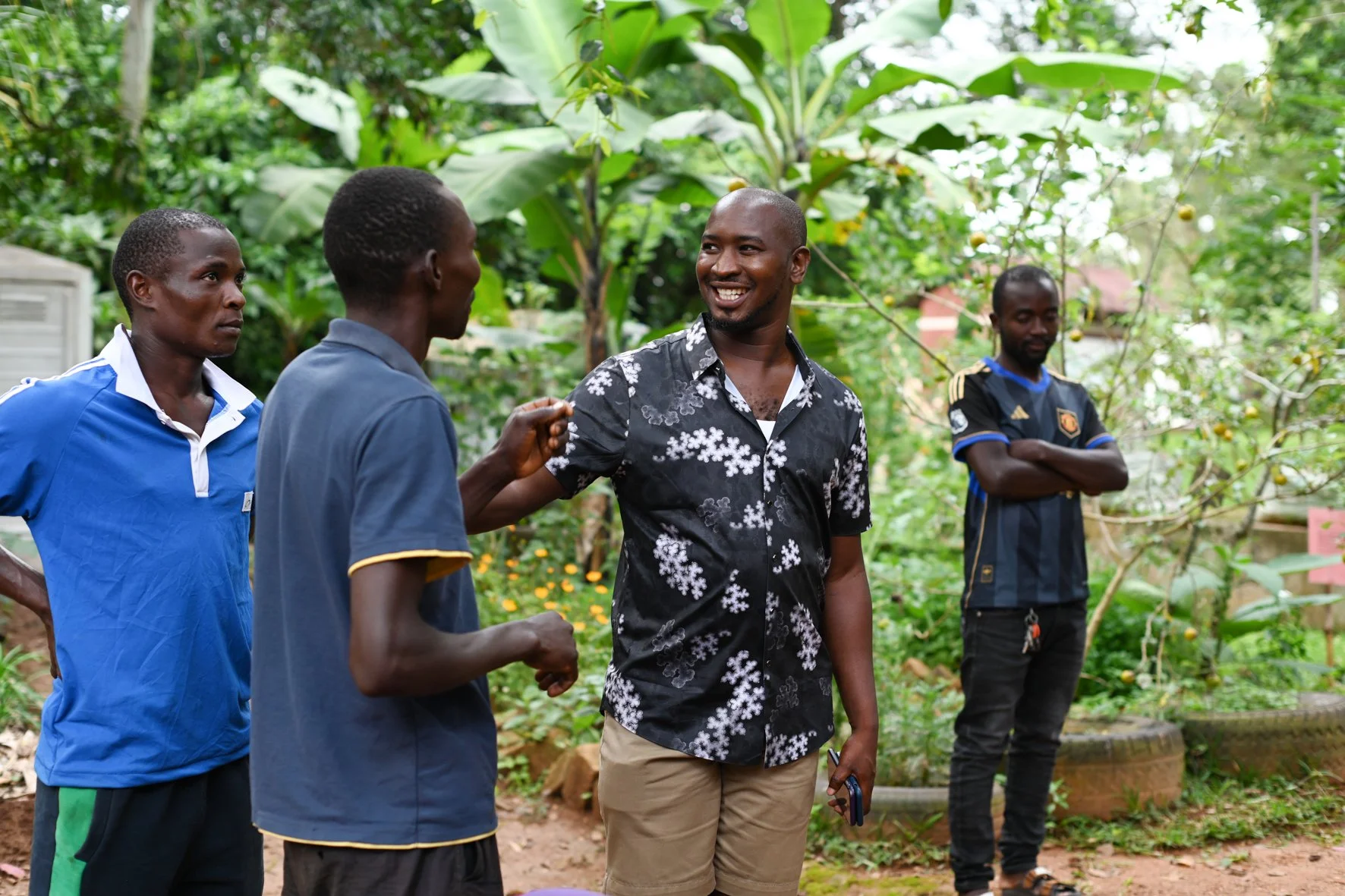
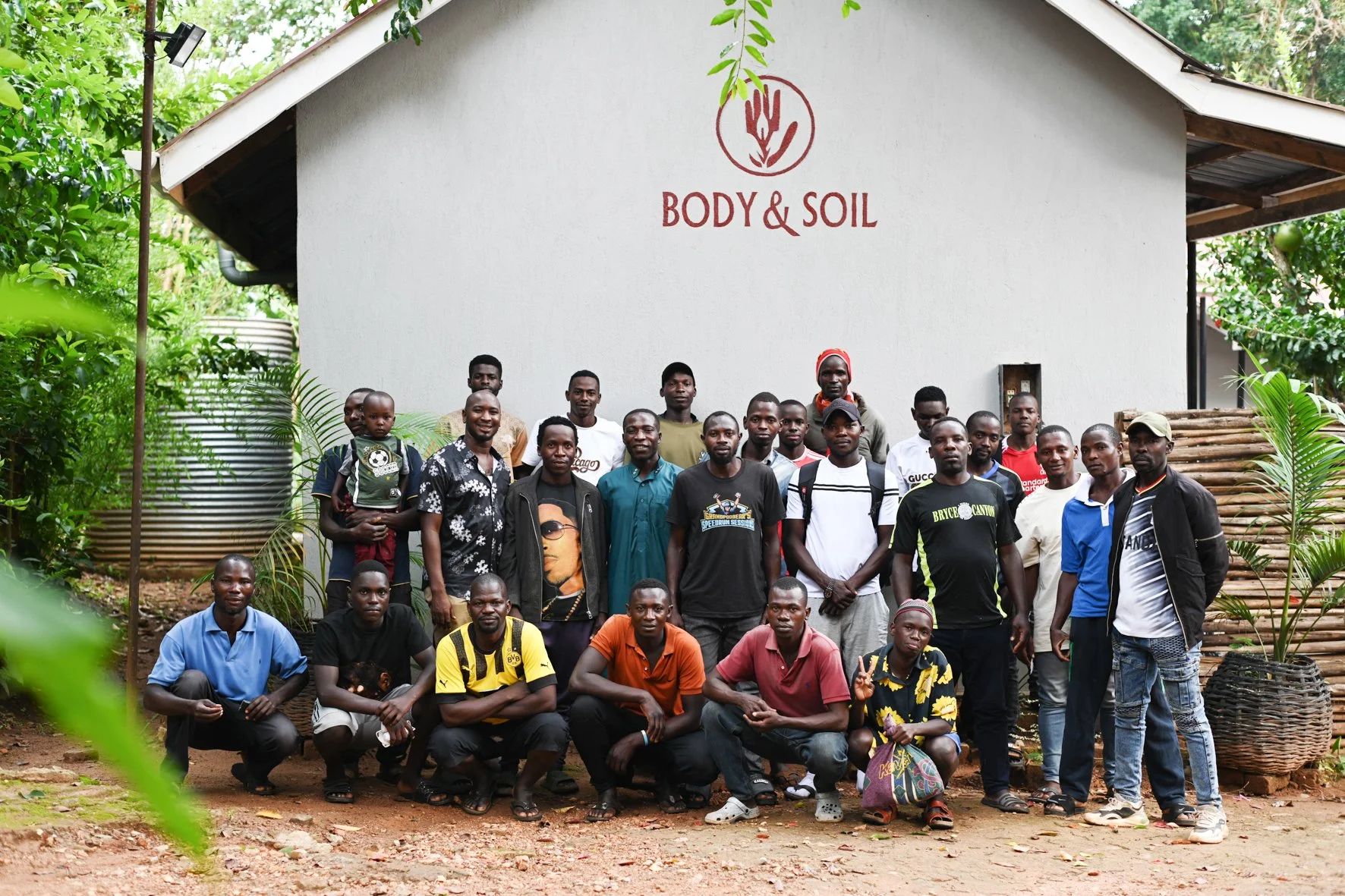
While I often say that at the heart of BODY&SOIL lies a holistic approach, in truth it is people and their drive that form the very core of what we do.
It sounds simple when written down. Yet my experience working on other projects in Africa has shown me how overcomplicated systems have become, how outside hierarchies have replaced community leadership, and how trends like women empowerment have sometimes turned into the only acceptable entry point for funding. I stand fully for women being empowered. But I also stand for men, youth, and children. I stand for anyone who wants change and is willing to put in the work.
I hope this leaves you feeling inspired as we step into the new year. And if you would like to support our vision for holistic health from the ground up, you’ll find the details here.
Thank you to all of you who have been walking this path with us.
Happy New Year!