
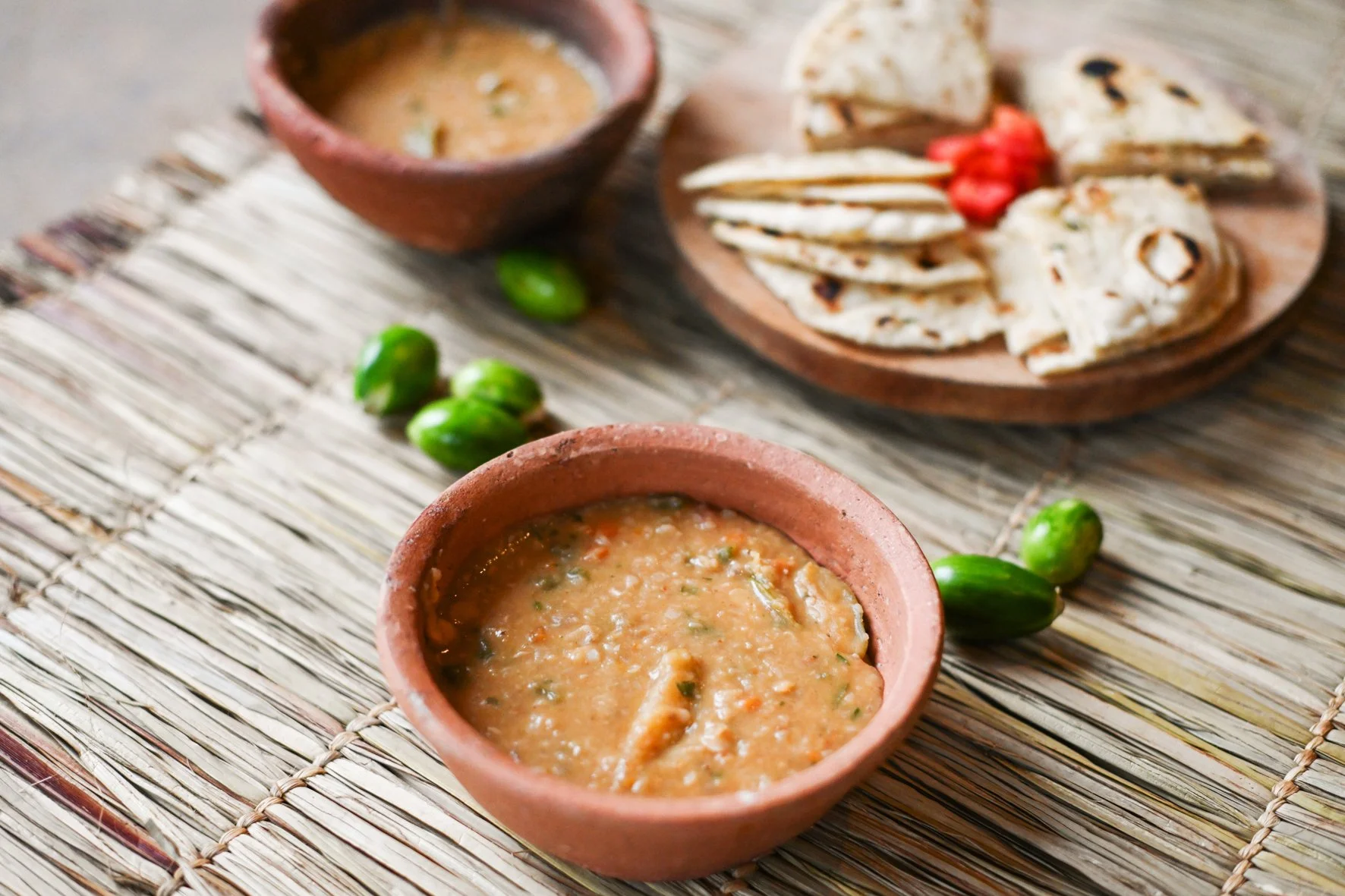
The Bean Powerhouse
A traditional Ugandan bean dish prepared with peeled, tender beans, local vegetables, and aromatic seasonings.
As part of our holistic approach, we love learning from community women who share their recipes and culinary knowledge with us. This is one of them!
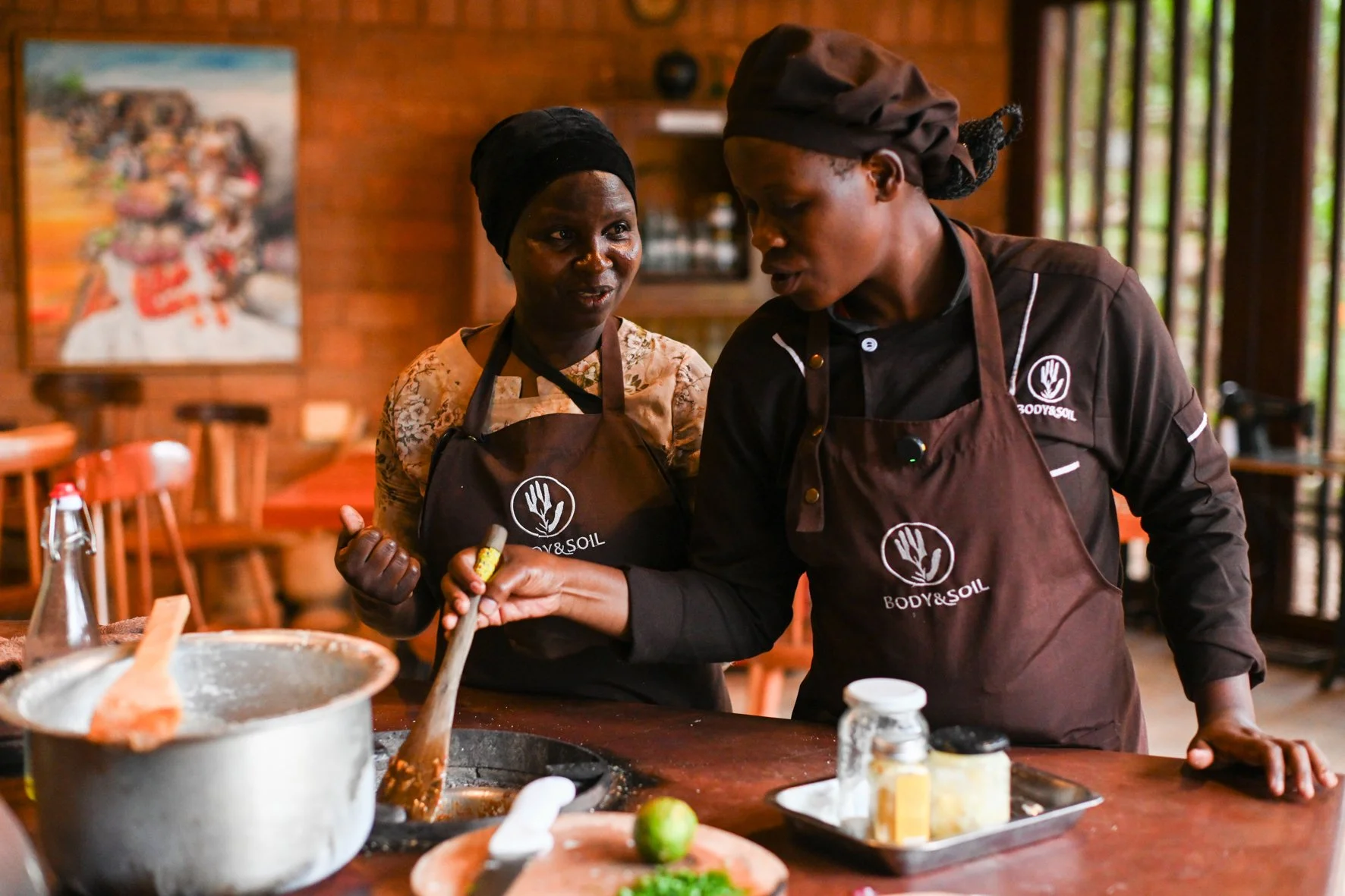
Farmer Namatovu Mayih explained to us that she doesn't usually fry anything, but we decided to do so in our version to add more flavor.
Here in Uganda, breastfeeding is often continued well into early childhood, recognizing its important nutritional value. When children reach around two or three years old and stop breastfeeding, Filinda is one of the nourishing foods given to them. The beans provide valuable plant protein, fiber and energy, helping to ensure that children continue receiving important nutrients as they grow.
The dish is usually mashed well for young children, and groundnut paste is often added for extra nutrition and flavor. It is also traditionally given to malnourished children as a nourishing meal.
Why this recipe matters
But before we get started, let's talk about beans – because they are important for much more than what ends up on our plates!
Let’s start with the soil.
You might know that beans fix nitrogen in the soil. This is incredibly important because plants need nitrogen to grow, but they cannot directly access the approximately 78% of nitrogen that makes up our atmosphere.
This is where legumes, such as beans, come in. Their roots form a partnership with specialized soil bacteria, which live in small structures called root nodules. These bacteria take nitrogen from the atmosphere and convert it into ammonia, which is quickly transformed into ammonium and can be used by the plant to build proteins and other essential compounds.
And the fascinating part? It is actually the bacteria doing the work, not the plant itself!
When bean plants die or shed roots and leaves, their nitrogen-rich organic matter becomes food for other soil organisms. Through decomposition and microbial activity, nitrogen is gradually released back into the soil, where other plants can access it.
This is one reason why legumes are so important when transitioning away from reliance on synthetic nitrogen fertilizers. They can contribute to soil fertility, particularly when incorporated into diverse crop rotations and agroecological farming systems.
Excessive nitrogen fertilization, on the other hand, can contribute to nitrate leaching into groundwater and runoff into rivers and lakes, affecting water quality. But that's another kettle of tea for next time!
But back to the nutritional aspect!
Did you know that beans are predominantly carbohydrates? Depending on the variety, carbohydrates make up roughly 60–70% of the dry weight of beans. Most of these are complex carbohydrates, primarily starch and dietary fiber, which provide energy to fuel our bodies.
Why is this good to know? Because we don't necessarily need to fill our plates with several other starchy foods when we already have a good portion of beans alongside vegetables. Beans provide energy that is released relatively slowly during digestion, but also valuable plant protein, iron, B vitamins and dietary fiber, including soluble fiber.
There is also an important process in our bodies that we don't talk about very often: the enterohepatic circulation. It has a fascinating connection to soluble fiber and overall health.
I would like to tell you more about this after the recipe, so don't forget to read to the end! :)
Recipe by: Namatovu Mayih and Sharom Mutesi
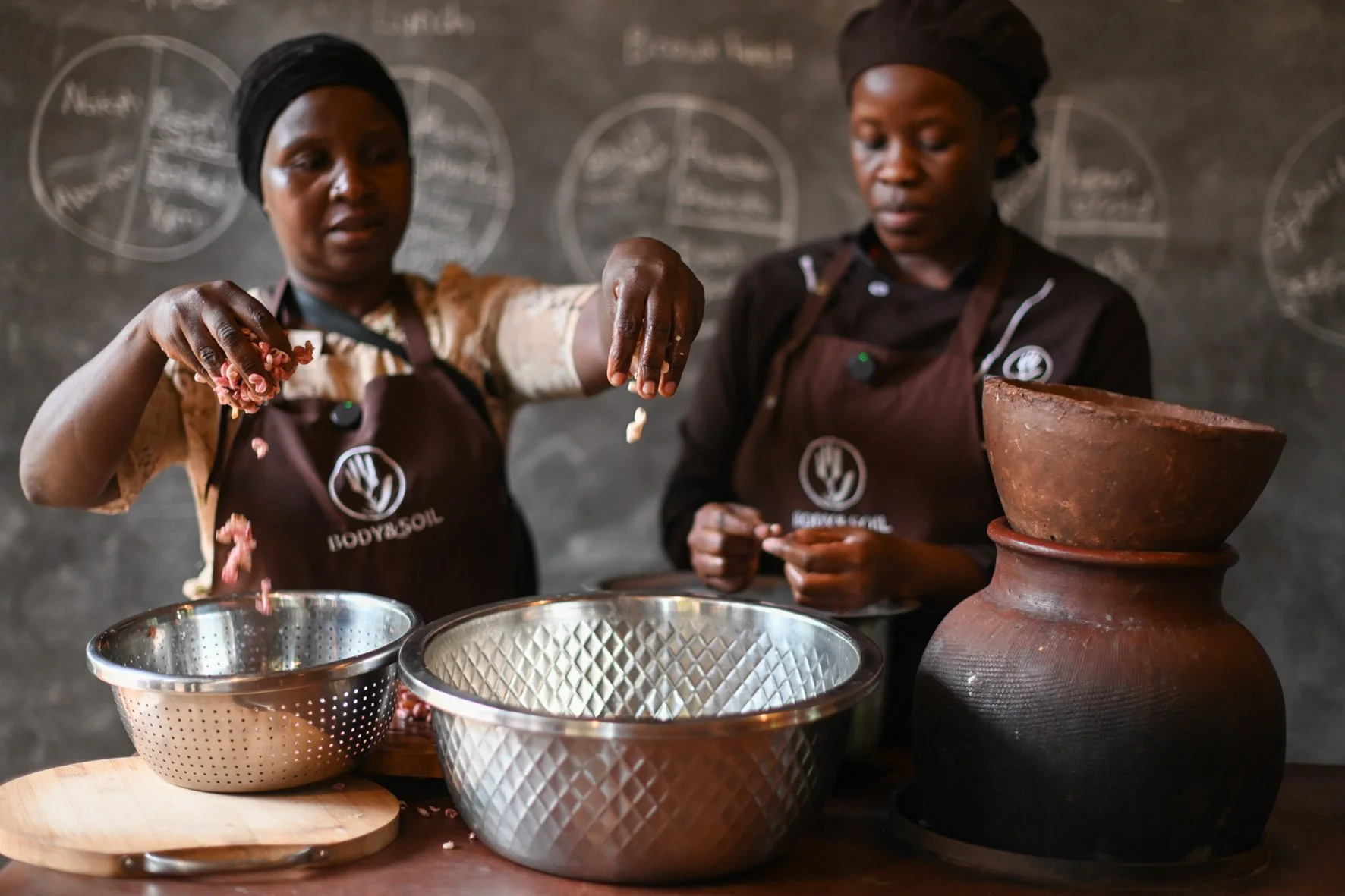
Seperating peeled beans for the Filinda dish.
Ingredients
Prep Time: 20 minutes (excluding soaking and peeling)
Soaking Time: Overnight (8–10 hours) Bean
Cooking Time: Approximately 30–60 minutes, depending on the beans Additional
Cooking Time: Approximately 25–35 minutes
Serves: Depends on portion size
1 kg beans – sort, soak overnight, peel and boil until tender
250 g entula (garden eggs / local eggplant) – washed and diced
Cooking oil, as needed
2–3 tsp local cow ghee
1 large onion – peeled and chopped
3 large tomatoes – washed and chopped
1 green pepper – washed, deseeded and chopped
2 tsp garlic – minced
1 tsp ginger – minced
2 tsp VePa Mix
1 tsp salt – adjust to taste
Chili powder (optional)
Water, as needed
Preparation Method
Soak the beans: Sort and soak the beans overnight. Discard the soaking water (give it to your plants!) and rinse the beans with fresh water.
Soaking can help reduce some water-soluble fermentable carbohydrates that can cause gas. It also softens the beans, making them easier to peel. The amount of these carbohydrates removed depends on the bean variety and soaking conditions.
Peel and boil: Peel the beans and sort them once more, removing any discolored, damaged or moldy-looking beans, particularly those with black spots. These may indicate poor post-harvest handling or storage conditions and possible mold contamination. Certain molds, particularly Aspergillus species, can produce aflatoxins, which are harmful to human health.
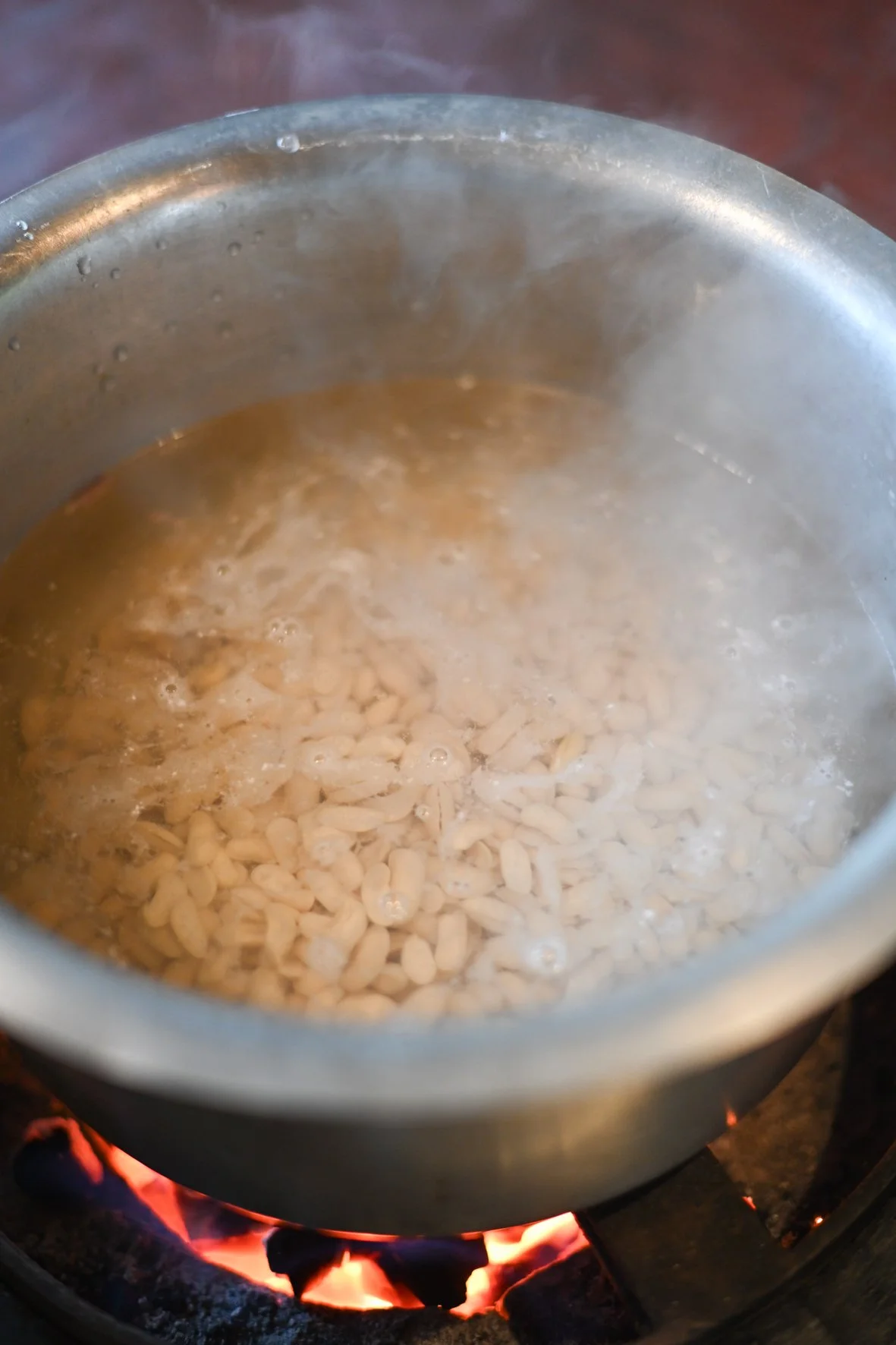
After boil them in fresh water until completely soft and tender. Drain any excess water.
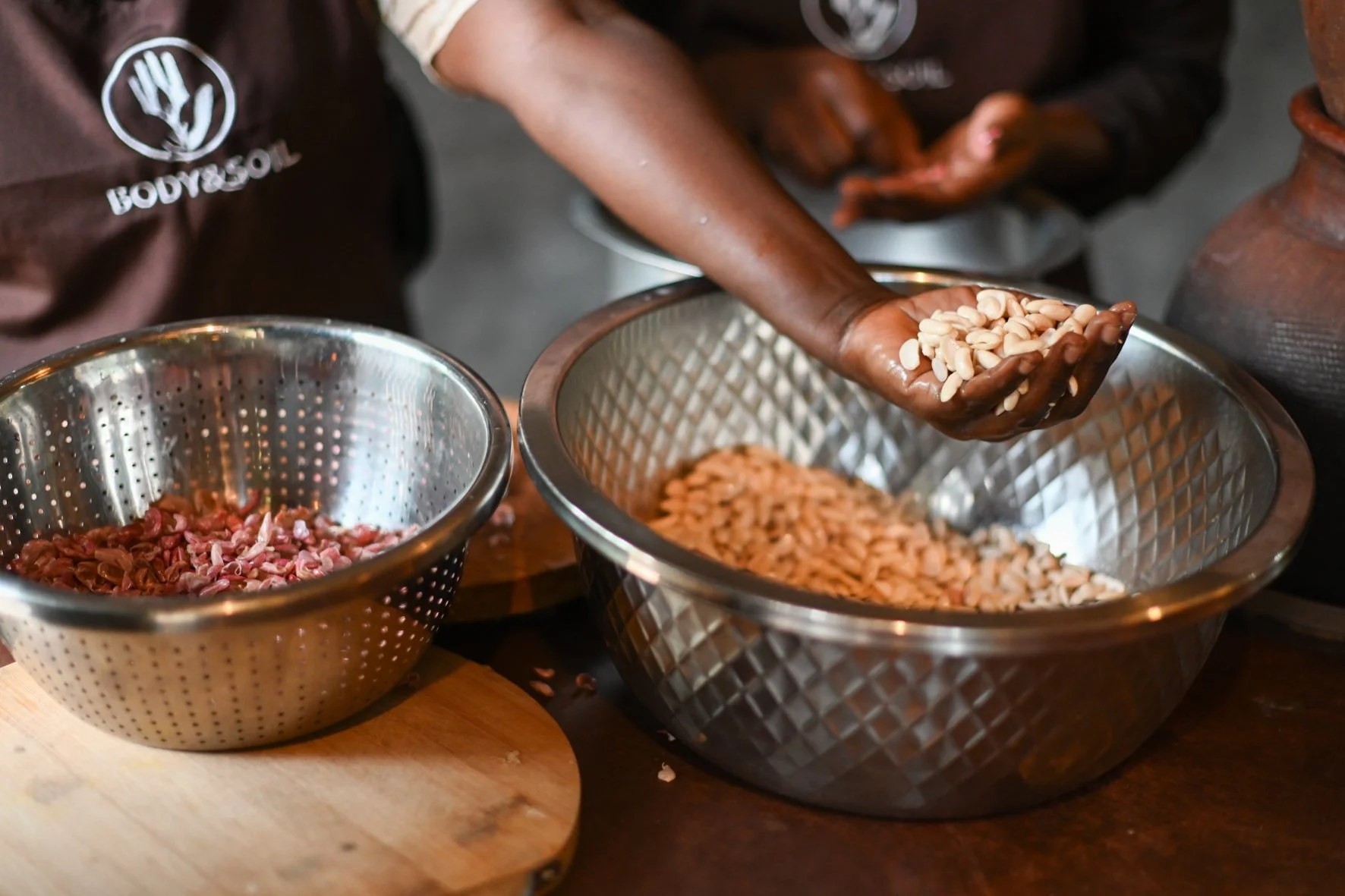
Soaked beans are peeled to be then prepared for Filinda.
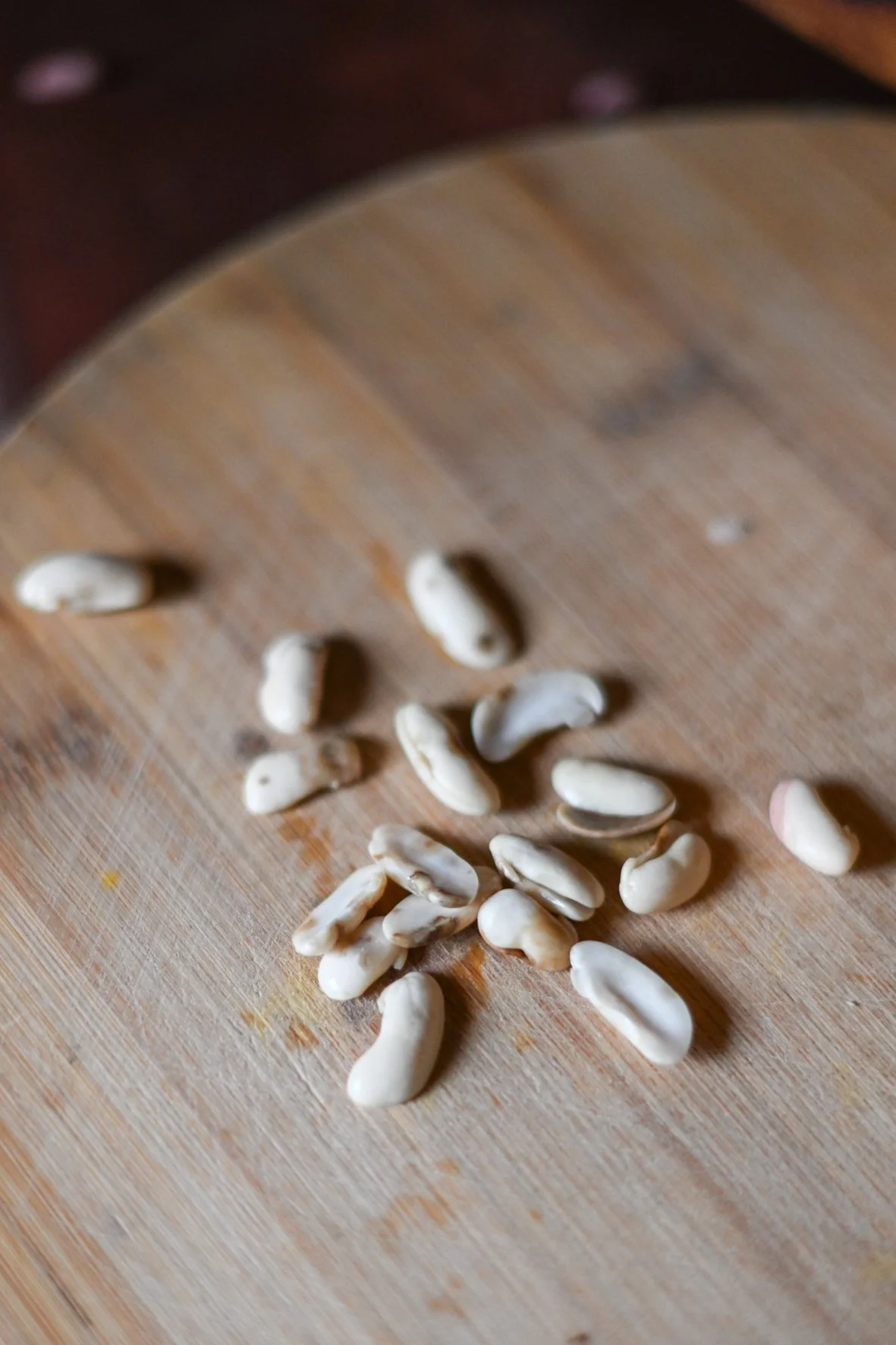
Caution: Beans with black spots should be thrown out, it could be moldy!
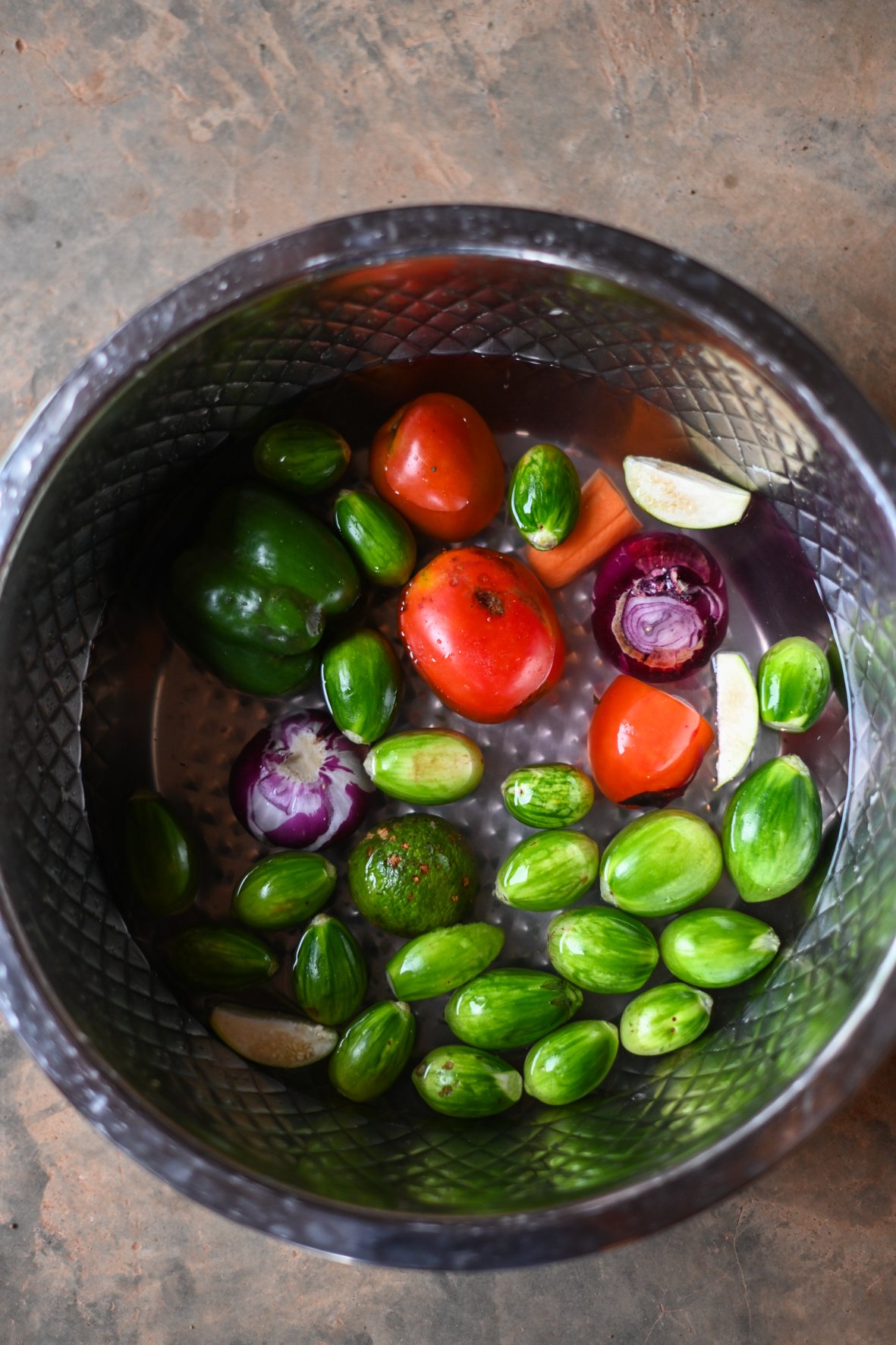
Chop: Wash, chop and mince your sauce ingredients.
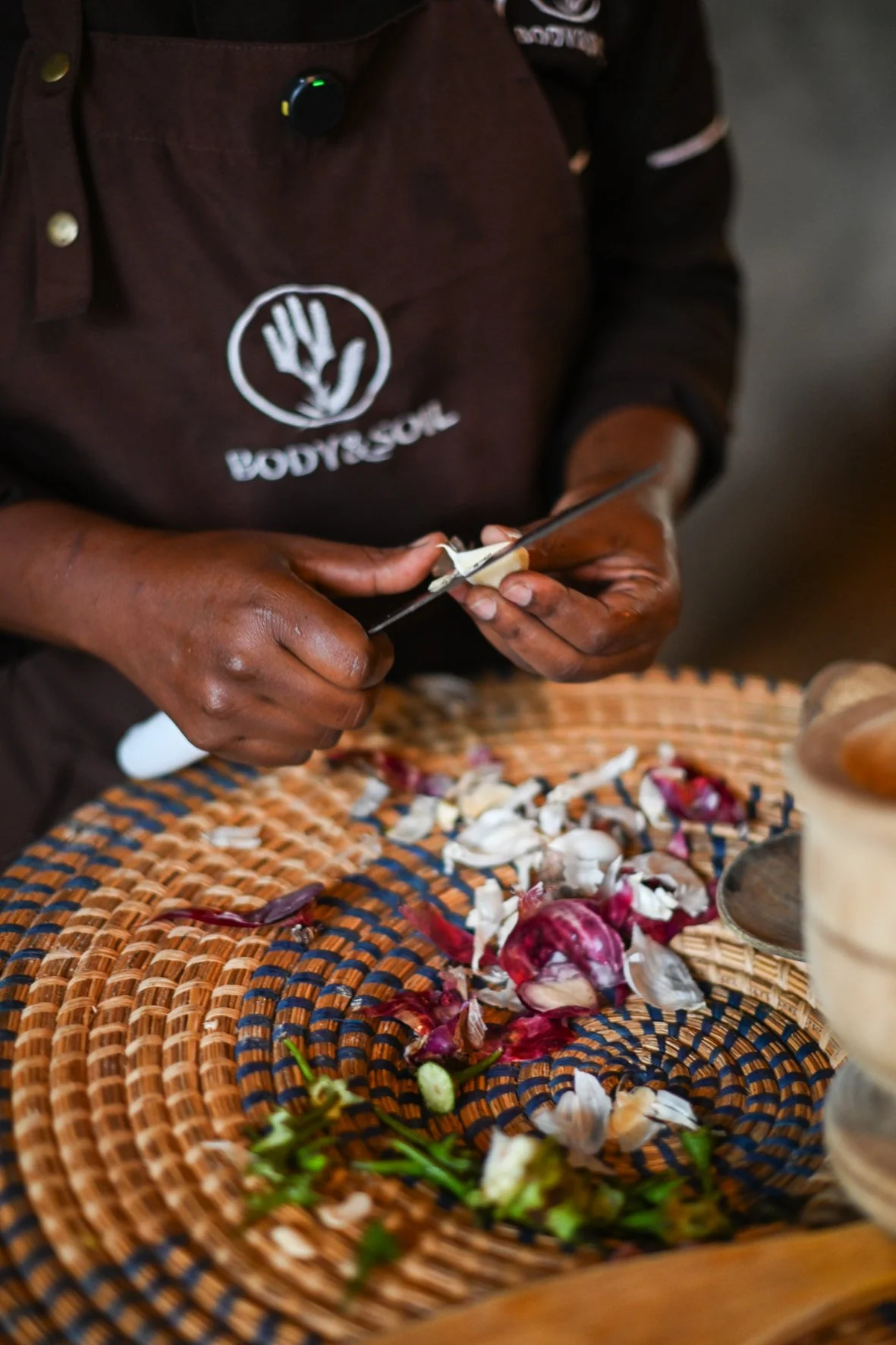
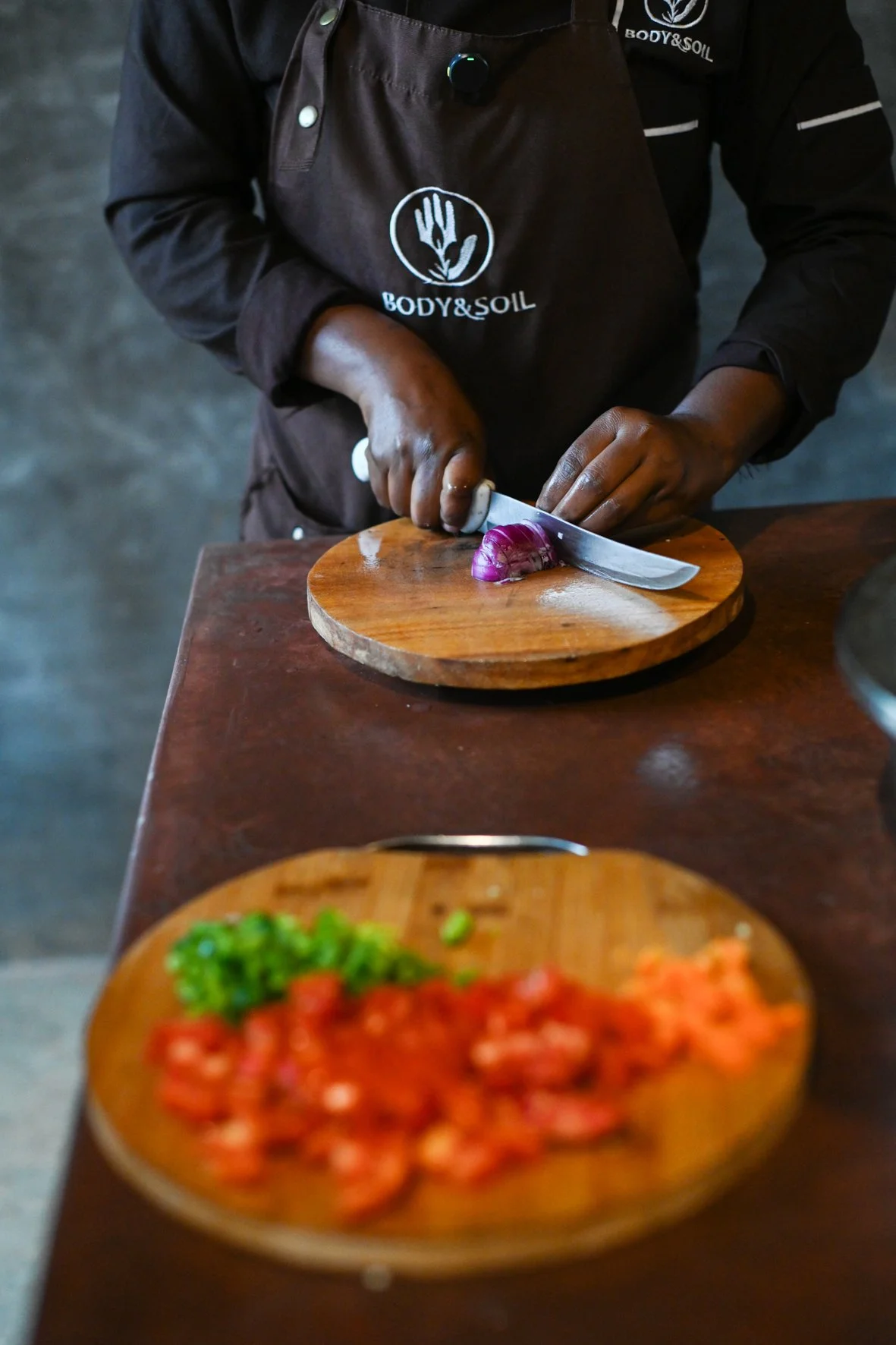
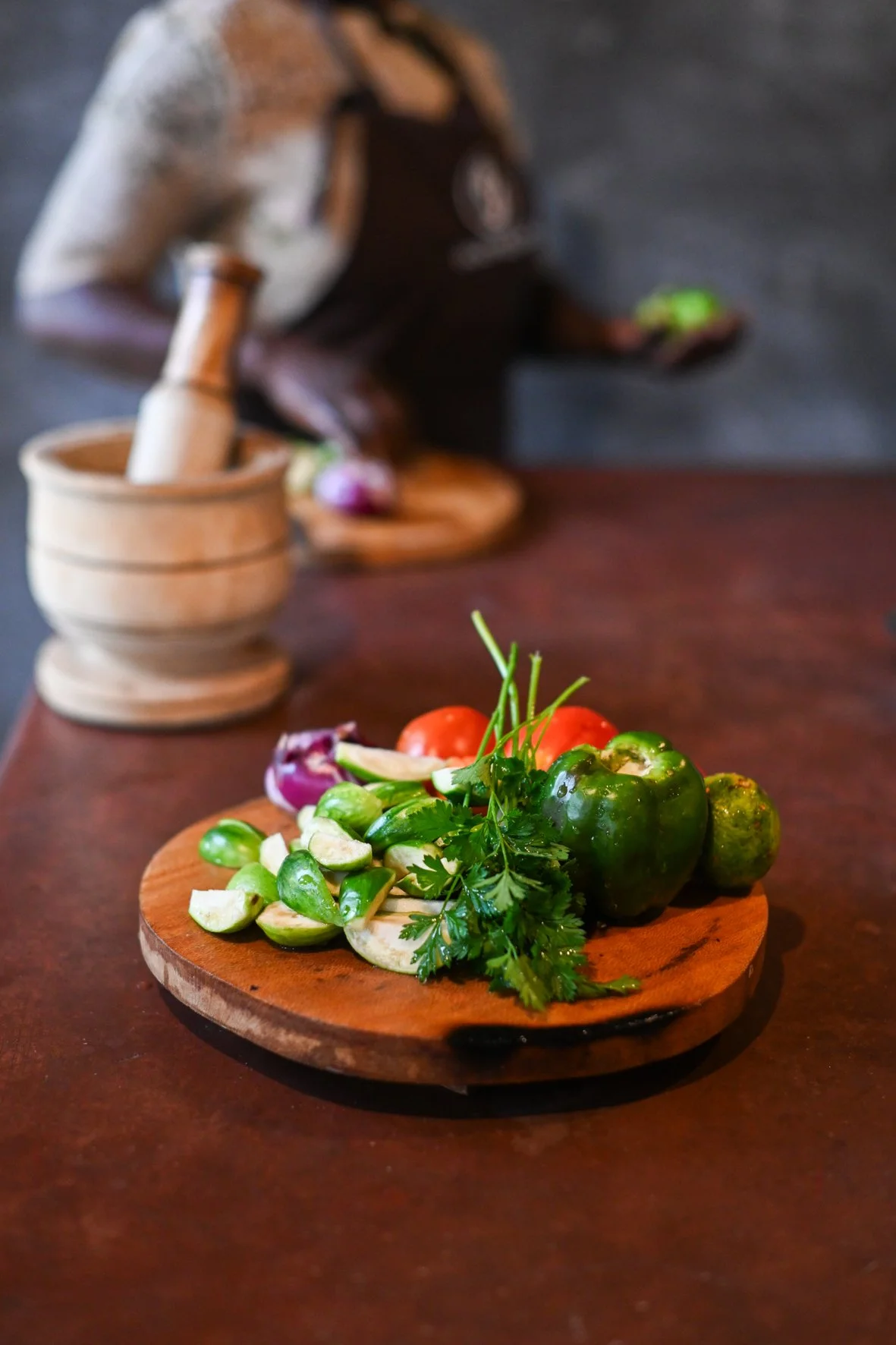
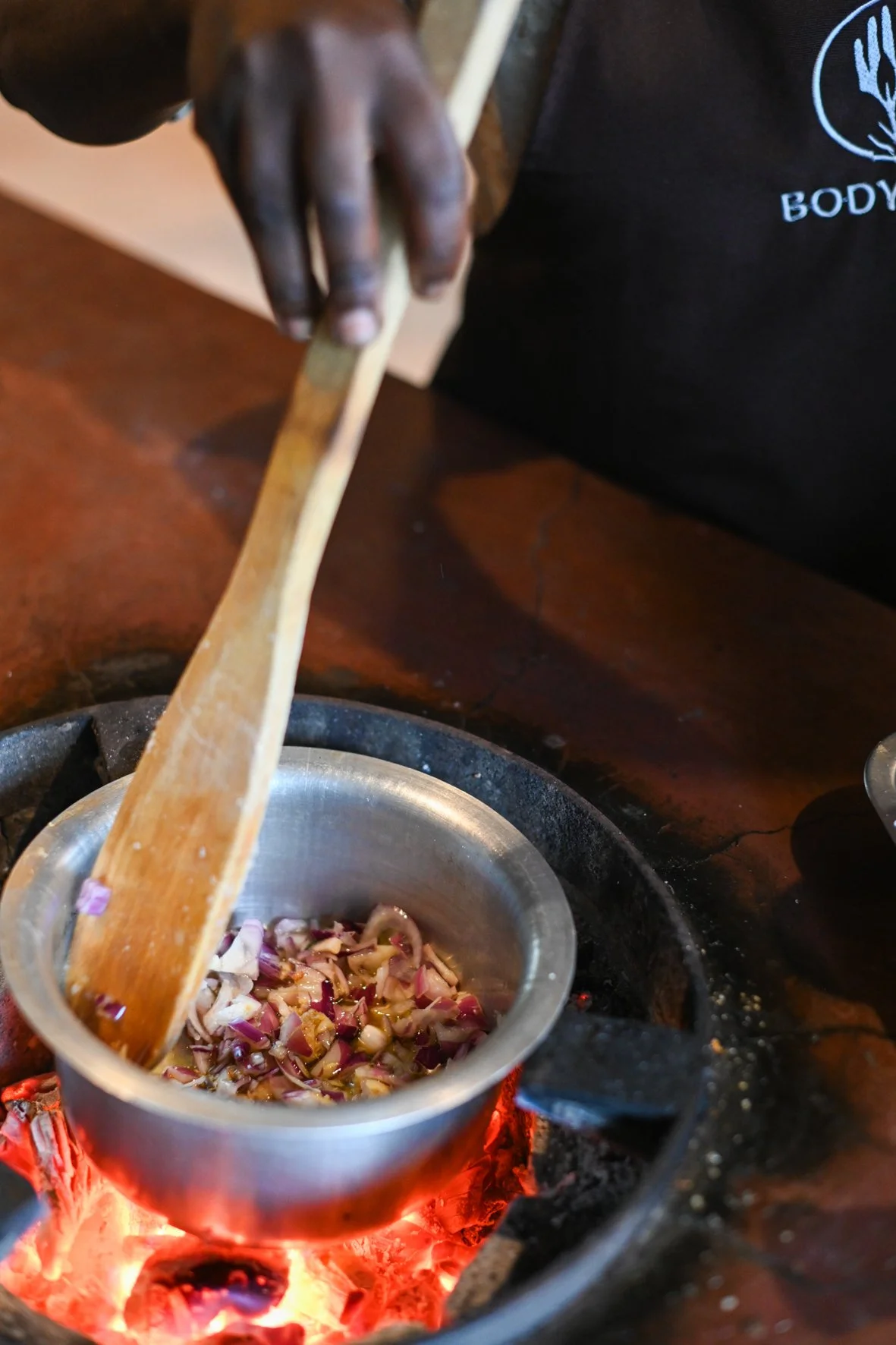
Prepare the base: Place a cooking pot over medium heat. Add cooking oil and the chopped onions. Fry gently until the onions soften. Add a small splash of water if needed to prevent sticking.
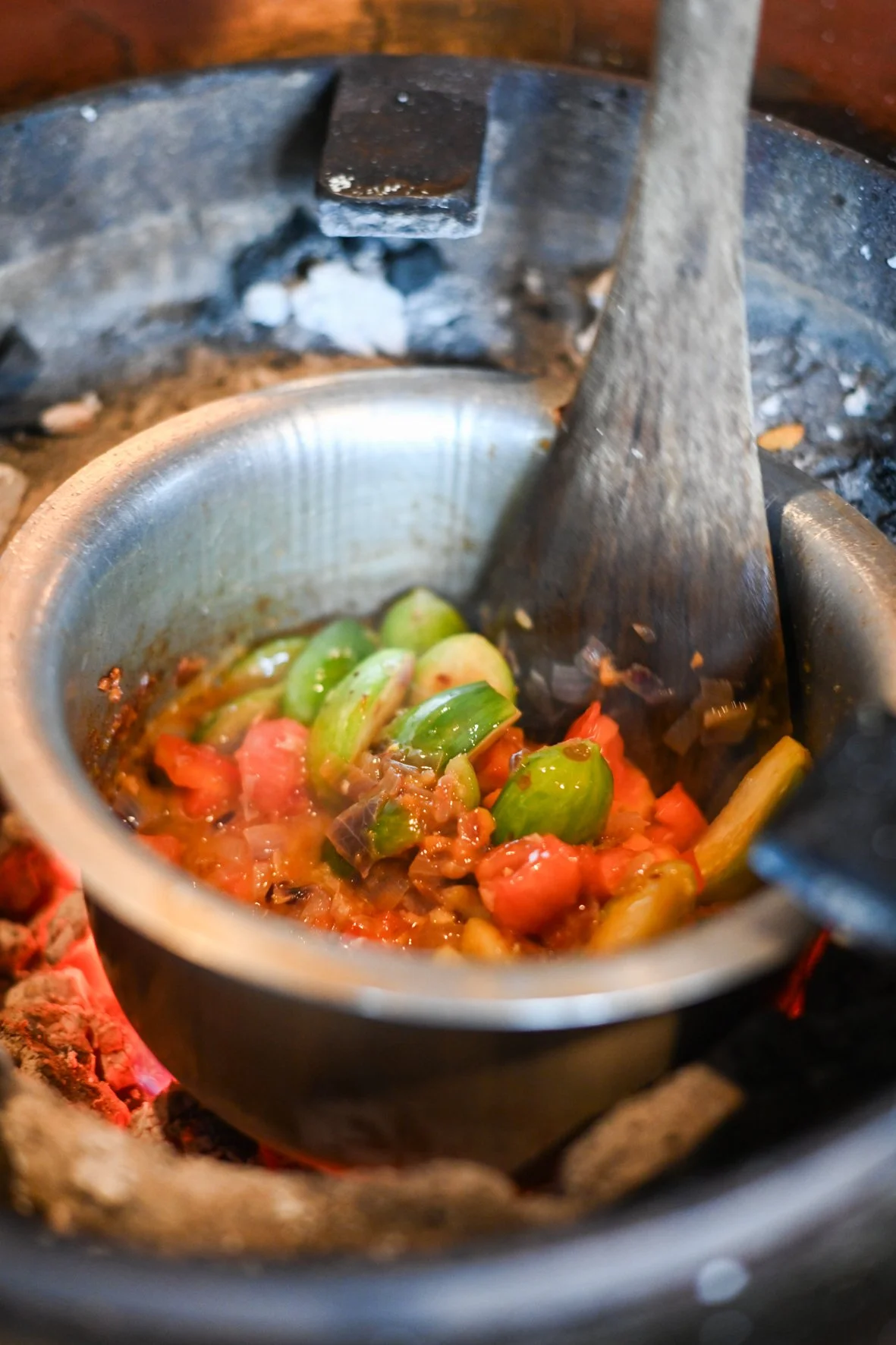
Make the sauce: Add the chopped tomatoes to the pot and allow them to cook into a rich, thick sauce. Add a splash of water if necessary.
Add the aromatics: Add the minced garlic and ginger and stir for about one minute until fragrant. Add a little more water if needed to prevent sticking.
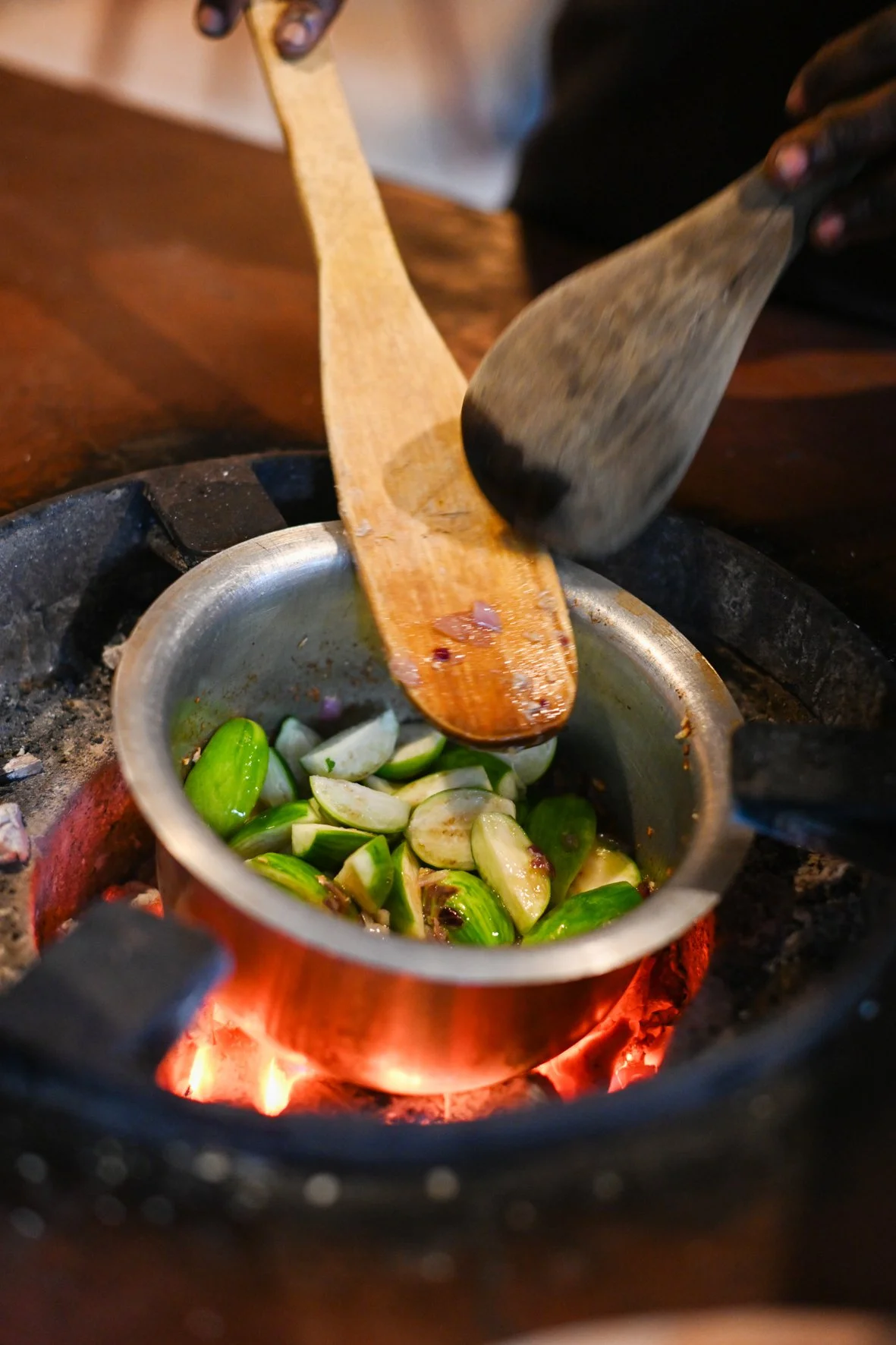
Add the vegetables: Add the diced entula (garden eggs) and chopped green pepper. Fry for 5–7 minutes, stirring occasionally, until the vegetables begin to soften.
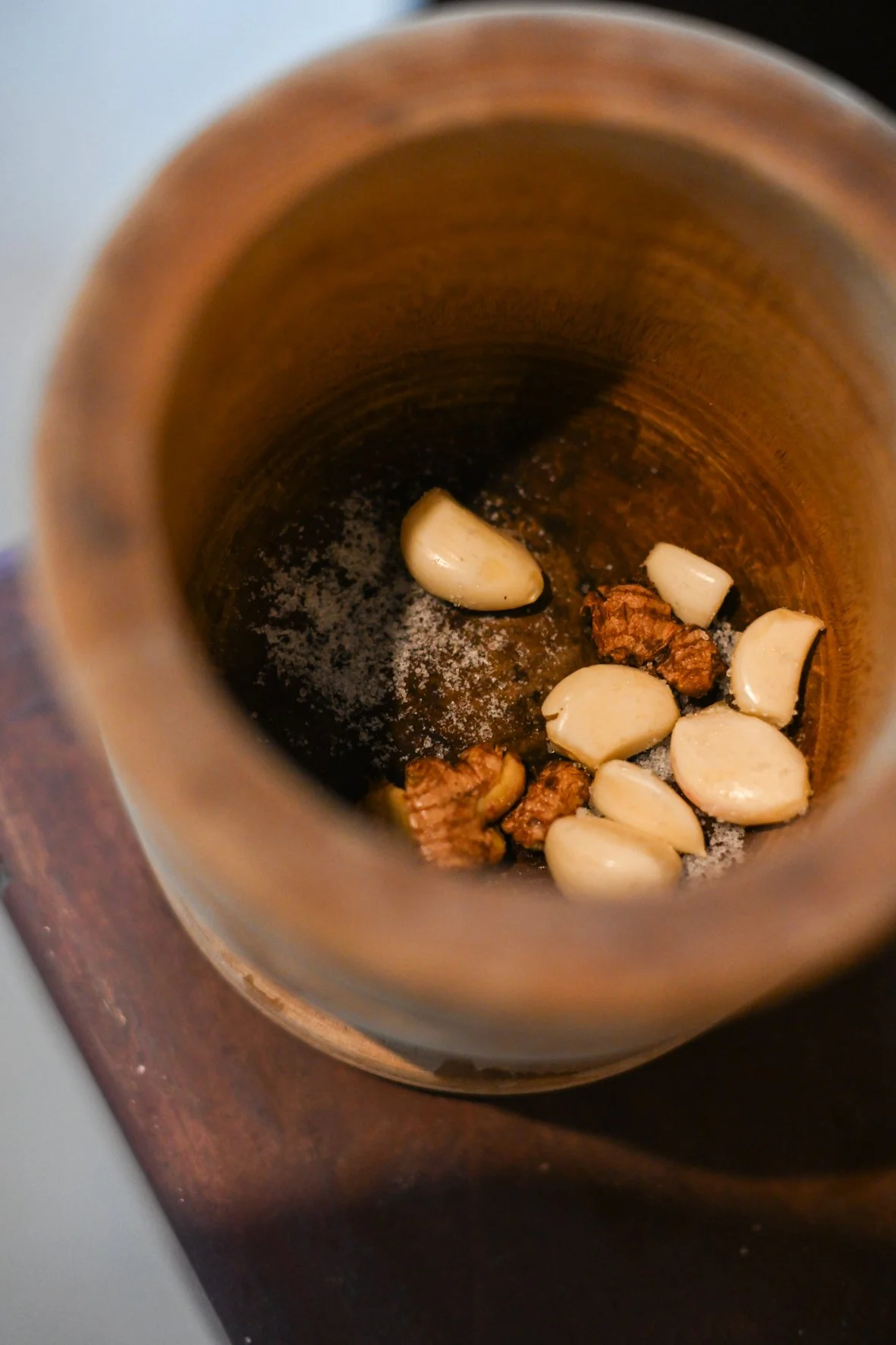
Season: Add the VePa-Mix (check out our recipe, or use your local curry powder) and salt, mixing well.
Add the beans: Add the cooked beans and stir gently until they are evenly coated with the vegetable sauce. If you are not serving to younger children, considering adding a bit of chili into the sauce, to add that extra kick;)
Simmer: Reduce the heat and simmer for 10–15 minutes, allowing the flavors to blend and the beans to soften even further. They should begin to break down slightly, creating a naturally creamy consistency, without having to mash them.
Finish with ghee: Stir in 2–3 tsp of your local cow ghee towards the end of cooking. This gives the dish its special flavor. Allow it to rest for a few minutes so the flavors can settle.
Serve: Taste and adjust the seasoning if necessary. Serve while hot.
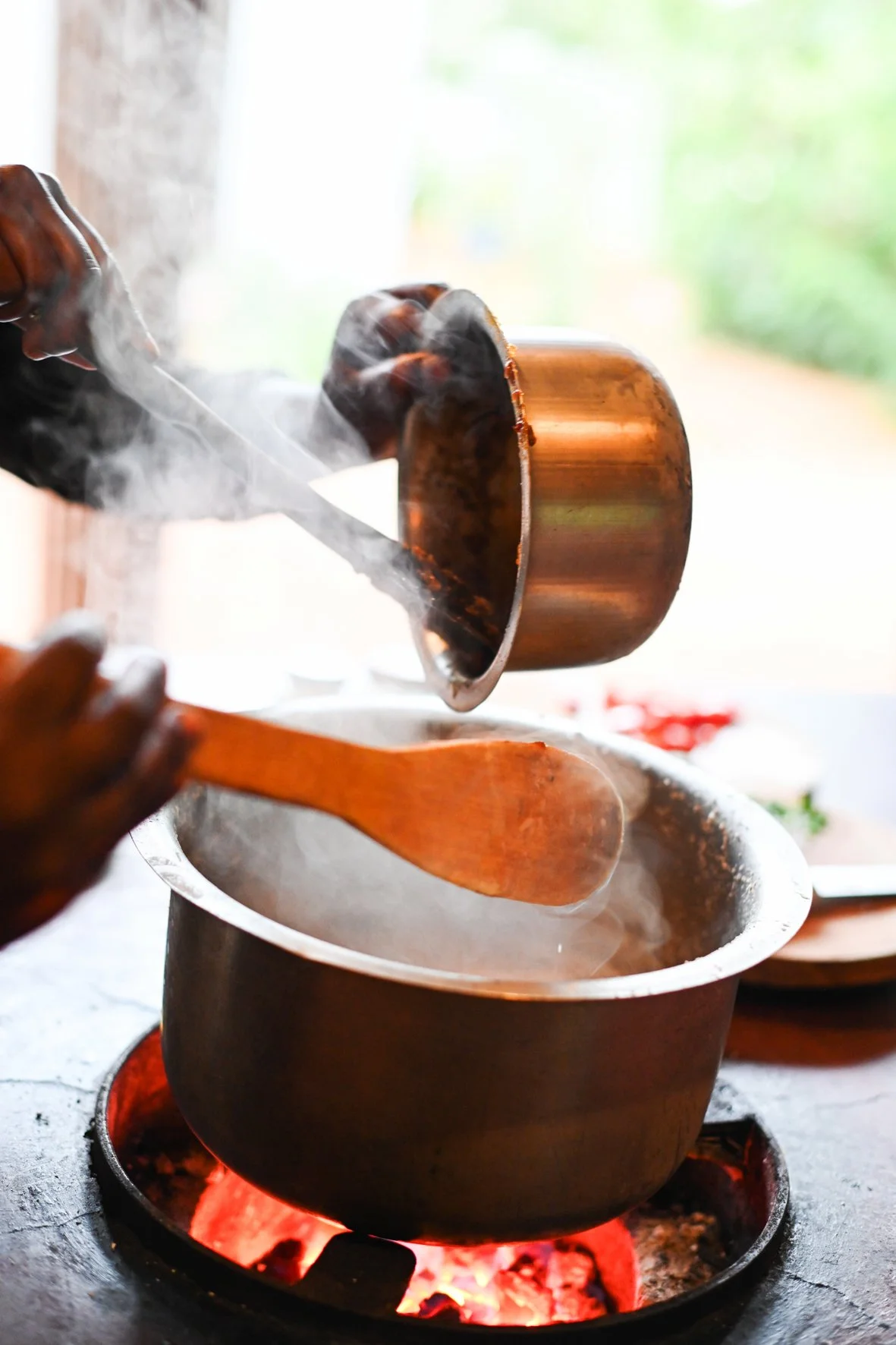
Mix your sauce together with the cooked beans.
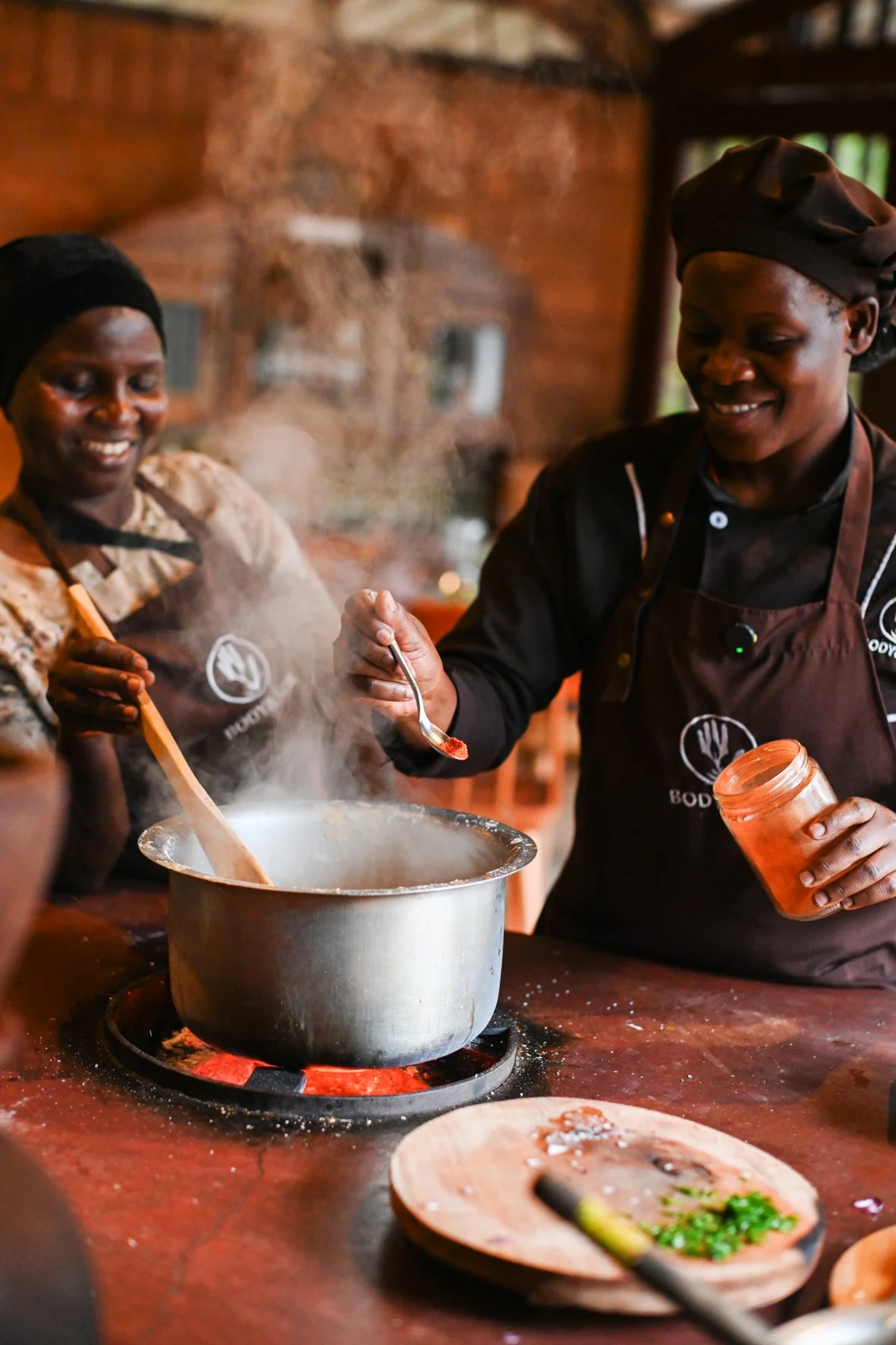
This is optional, but you can add bit of chili in the end for that extra kick.
What to Expect
A well-made Filinda should be:
Rich and hearty, with tender, well-cooked beans.
Thick and flavorful, with a naturally rich tomato and vegetable sauce.
Aromatic, with the characteristic flavors of garlic, ginger and curry spice.
Slightly creamy, from the softened beans and vegetables.
Satisfying and nourishing, a dish that pairs well with a variety of local staples.
Serving Suggestions
Filinda can be enjoyed with: Bean flatbread (recipe here), Kalo (millet bread), Pumpkin Chapati (recipe here), Boiled cassava, or Sweet potatoes.
For a balanced meal, combine Filinda with leafy greens or other non-starchy vegetables. Beans already provide carbohydrates, so the portion of the accompanying staple can be adjusted to individual energy needs.
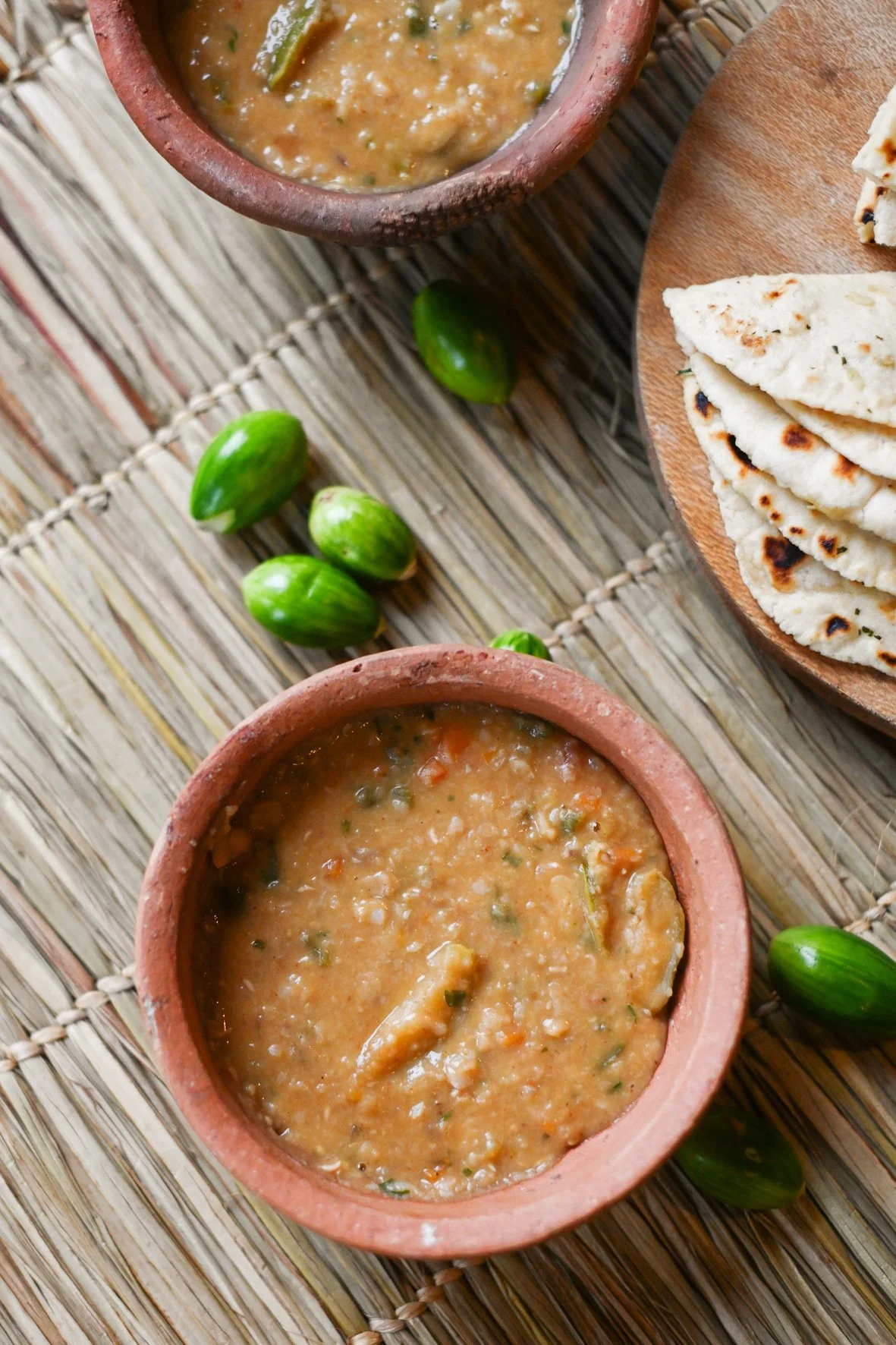
Nutrient Profile of Filinda
Complex carbohydrates – beans
Plant protein – beans
Dietary fiber – beans, garden eggs, tomatoes, onions and green pepper
Soluble fiber – beans
Insoluble fiber – beans and vegetables
Folate (Vitamin B9) – beans and vegetables
Iron – beans
Zinc – beans
Magnesium – beans
Potassium – beans, tomatoes and vegetables
Vitamin C – tomatoes and green pepper
Carotenoids, including beta-carotene – tomatoes and green pepper
Vitamin B6 – beans and vegetables
Polyphenols and other plant compounds – beans, tomatoes, onions and garden eggs
Vitamin C from tomatoes and green pepper supports the absorption of non-heme iron from beans.
A Little More About Beans and the Magic of Soluble Fiber
Not all carbohydrates affect our blood glucose in the same way. Although beans contain a considerable amount of carbohydrates, their combination of starch, protein and fiber contributes to slower digestion and a generally lower glycemic response (meaning a smaller blood sugar spike, which is what you should always aim for) than many refined carbohydrate foods (foods made from highly refined flours).
Soluble fiber plays an especially important role. When it comes into contact with water, it forms a gel-like substance in the digestive tract (think of what chia seed pudding looks like), slowing the absorption of glucose. This helps moderate the rise in blood sugar after meals.
Soluble fiber also binds bile acids (the liver's trash truck!), which are produced by the liver from cholesterol and released into the small intestine to help digest fats.
Around 95% of these bile acids are normally reabsorbed in the intestine and returned to the liver through a process called enterohepatic circulation. This allows the body to recycle and reuse bile acids rather than having to produce new ones every time.
But here's where soluble fiber comes in! By binding some of these bile acids (think of a net), soluble fiber prevents them from being reabsorbed, meaning more are excreted with your stool instead of being recycled through the enterohepatic circulation. The liver then has to produce new bile acids and uses additional cholesterol to do so. This can help lower LDL cholesterol in the bloodstream.
And how do we encourage this process? By eating more soluble fiber – so, more beans! :)
Beans are healing food.
Their remarkable combination of fiber, plant protein, minerals and complex carbohydrates makes them one of the most valuable foods we can include in our daily diet. They nourish the gut, support healthy blood glucose levels, help regulate cholesterol and contribute to long-term metabolic and cardiovascular health.
I eat beans 2–3 times a day!
And if you want to dive deeper, listen to our interview on YouTube with biochemist Karen Hurd, who shares how she has helped many people bring metabolic diseases, such as type 2 diabetes, into remission through what is now known as the "Bean Protocol."
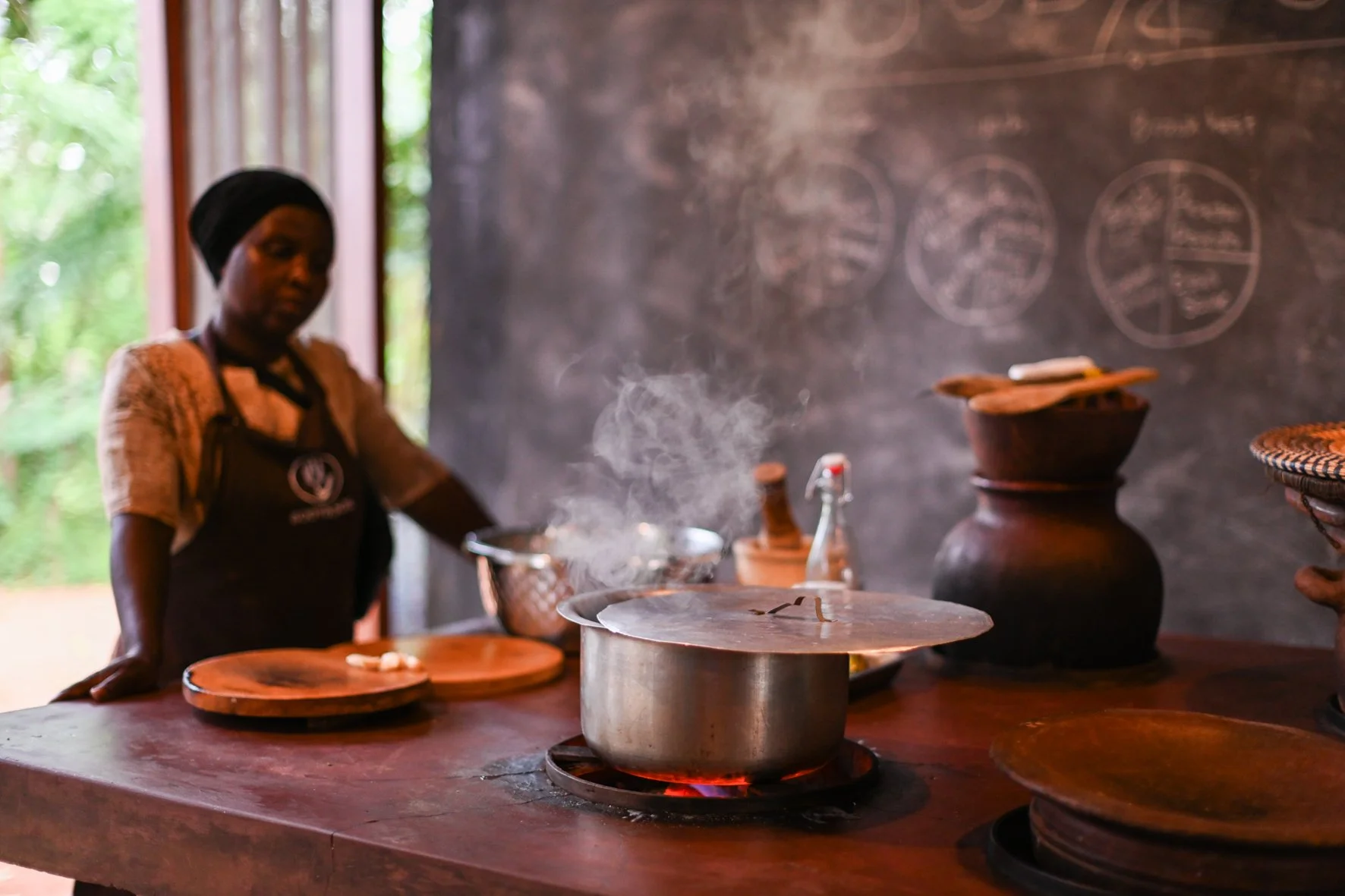
Beans for Better Digestion
Beans are incredibly nutritious, but some people experience bloating or gas after eating them. This is partly due to naturally occurring carbohydrates called oligosaccharides, particularly raffinose and stachyose. These are not fully digested in the small intestine. When they reach the large intestine, gut bacteria ferment them, producing gas.
There are simple ways to make beans easier to digest:
Soaking: Soaking beans overnight (8–10 hours) can help reduce some water-soluble oligosaccharides, particularly raffinose and stachyose, as they leach into the soaking water. Discarding the soaking water (it's nice for your plants!) and cooking the beans in fresh water can further reduce their amount. How much is removed depends on the bean variety and soaking conditions.
Peeling: Removing the outer seed coat creates a softer texture and removes some of the insoluble fiber. This may make beans easier to tolerate, particularly for people who are gradually integrating more fiber-rich foods into their diets.
Thorough cooking: Cook beans until completely soft and tender. This improves their texture and digestibility and is important for food safety.
Recommended for Children, adolescents and adults
Filinda is a nourishing, affordable and versatile dish for every stage of life. Beans are a nutritional powerhouse, providing plant protein, complex carbohydrates, dietary fiber, minerals and B vitamins.
Regularly including beans in our meals is a simple but powerful way to nourish our gut, support healthy blood glucose regulation and cholesterol metabolism, and strengthen our metabolic and cardiovascular health.
For people living with type 2 diabetes, beans can be a particularly valuable part of everyday meals. As with all carbohydrate-rich foods, portions and accompanying staples can be adjusted to individual needs.
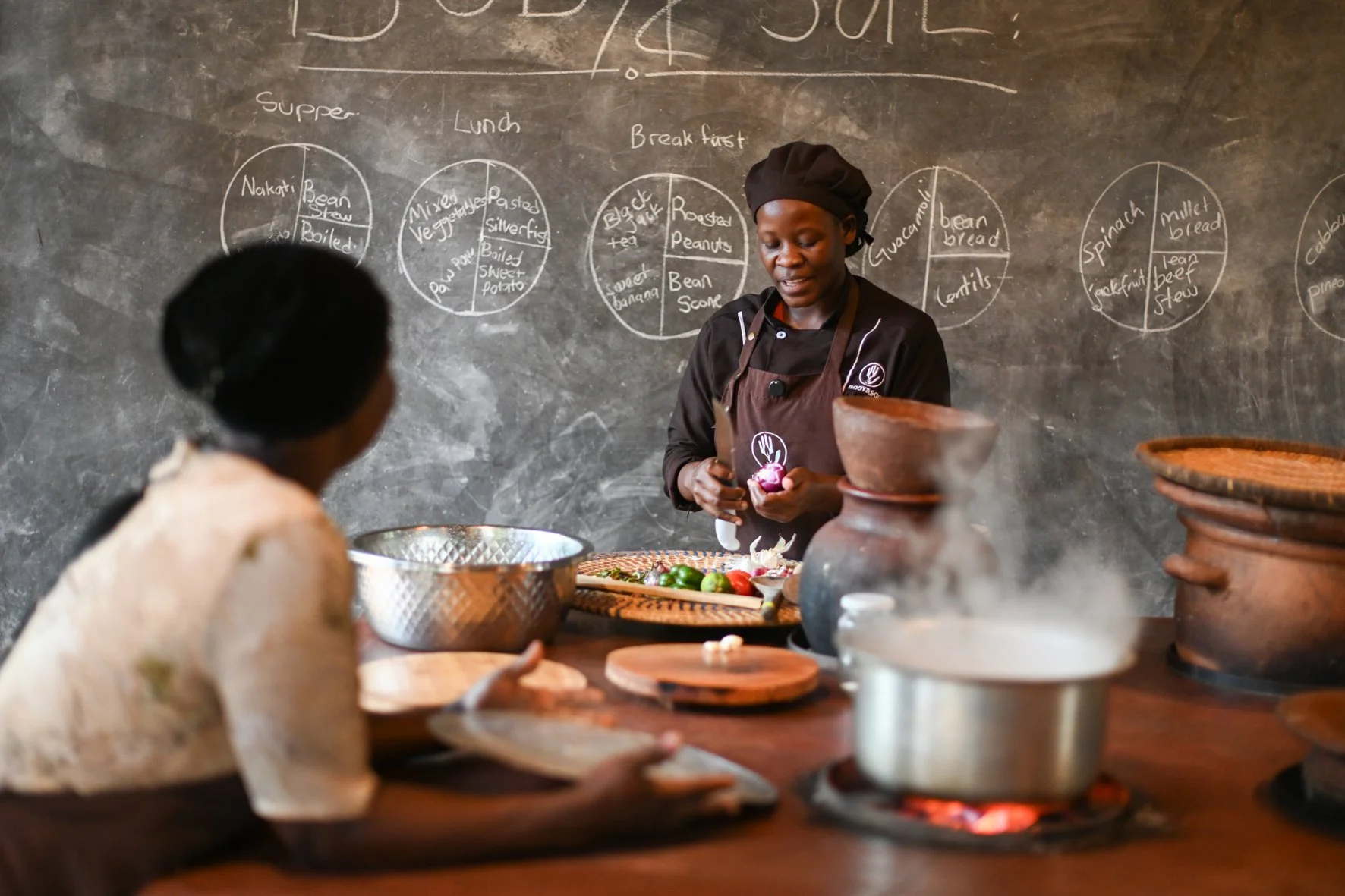
Share this recipe with someone who needs more beans on their plate!