
Ugamoli
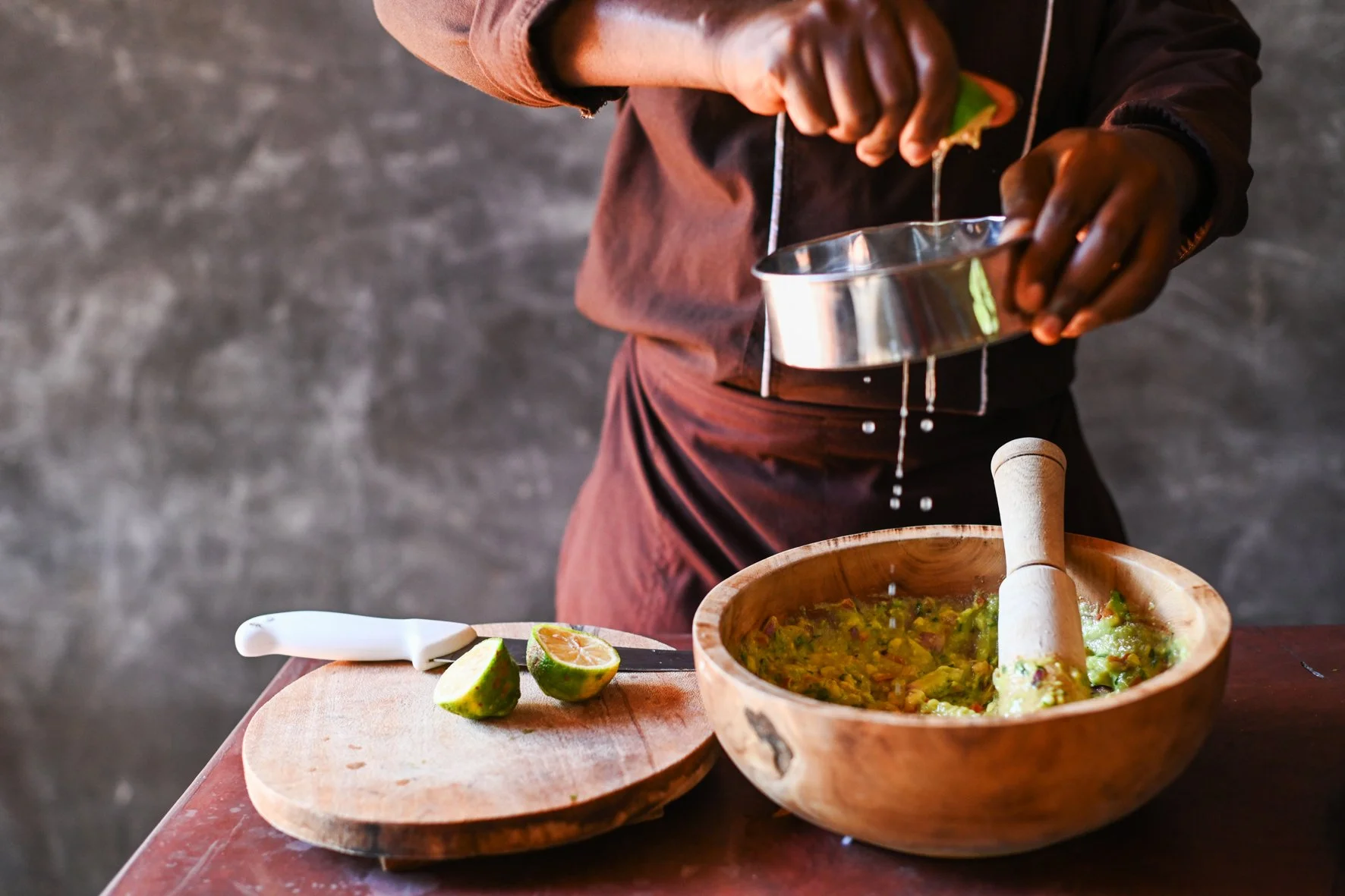
The Ugandan Guacamole;) A fresh avocado recipe inspired by guacamole, made with locally familiar ingredients and a “U” that stands for the Ugandan twist.

At BODY&SOIL, we like to take inspiration from different food traditions and explore how recipes can be adapted to local contexts, ingredients, and eating habits.
That is how Ugamoli came to life! :)
Avocados are widely available in Uganda, but they are often simply eaten on their own. They are also among the most wasted foods in Uganda's fresh produce markets. When ripe fruit goes unsold and ends up as waste, valuable food, nutrients, and farmers' and traders' income are lost.
No single recipe can solve this problem. But exploring new ways to prepare and enjoy avocados can make them more appealing and give them more opportunities to end up on people's plates rather than in the bin. Ugamoli is one such idea: a tasty, simple way to enjoy this familiar fruit differently and add nutritional value to everyday meals.
Why this recipe matters
Avocado provides monounsaturated fats that support heart health and help the body absorb fat-soluble vitamins. The lemon juice, tomatoes, and green peppers contribute vitamin C, which supports iron absorption when Ugamoli is eaten alongside iron-containing foods such as beans and leafy greens.
And let's not forget the onions! They provide dietary fibre, including prebiotic fibres that feed beneficial gut bacteria, as well as folate, vitamin B6, potassium, and beneficial plant compounds.
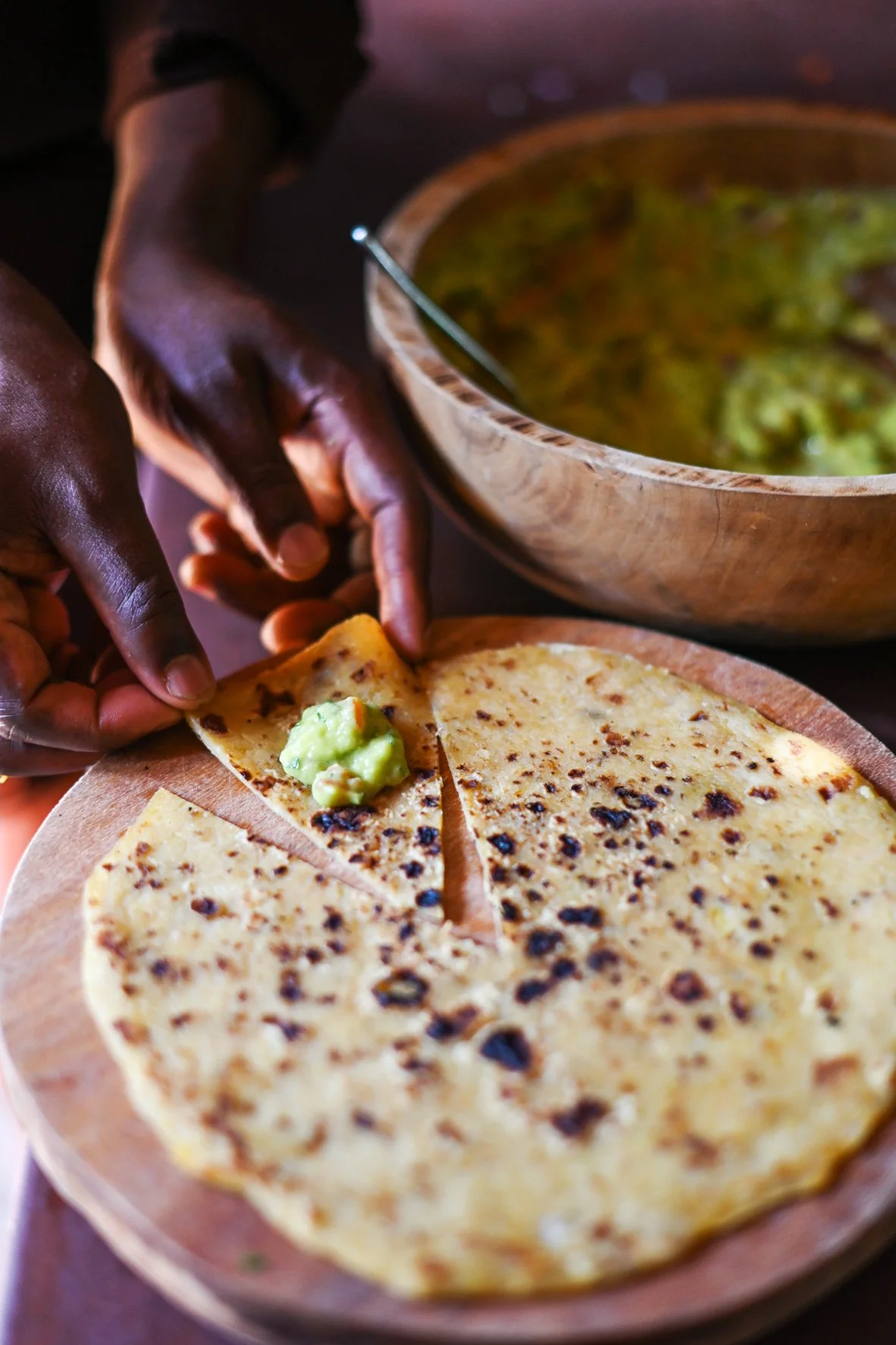
Ugamoli is more than a dip. Think of it as a fresh, chunky sauce that can be served with pumpkin chapati, cassava, sweet potatoes, or our bean pita bread. Pairing it with different foods is a simple way to add flavour and variety to everyday meals and snacks.
Recipe by: Collins Wandera
Ingredients
Prep Time: 15 minutes
Serves: 4–6, depending on portion size
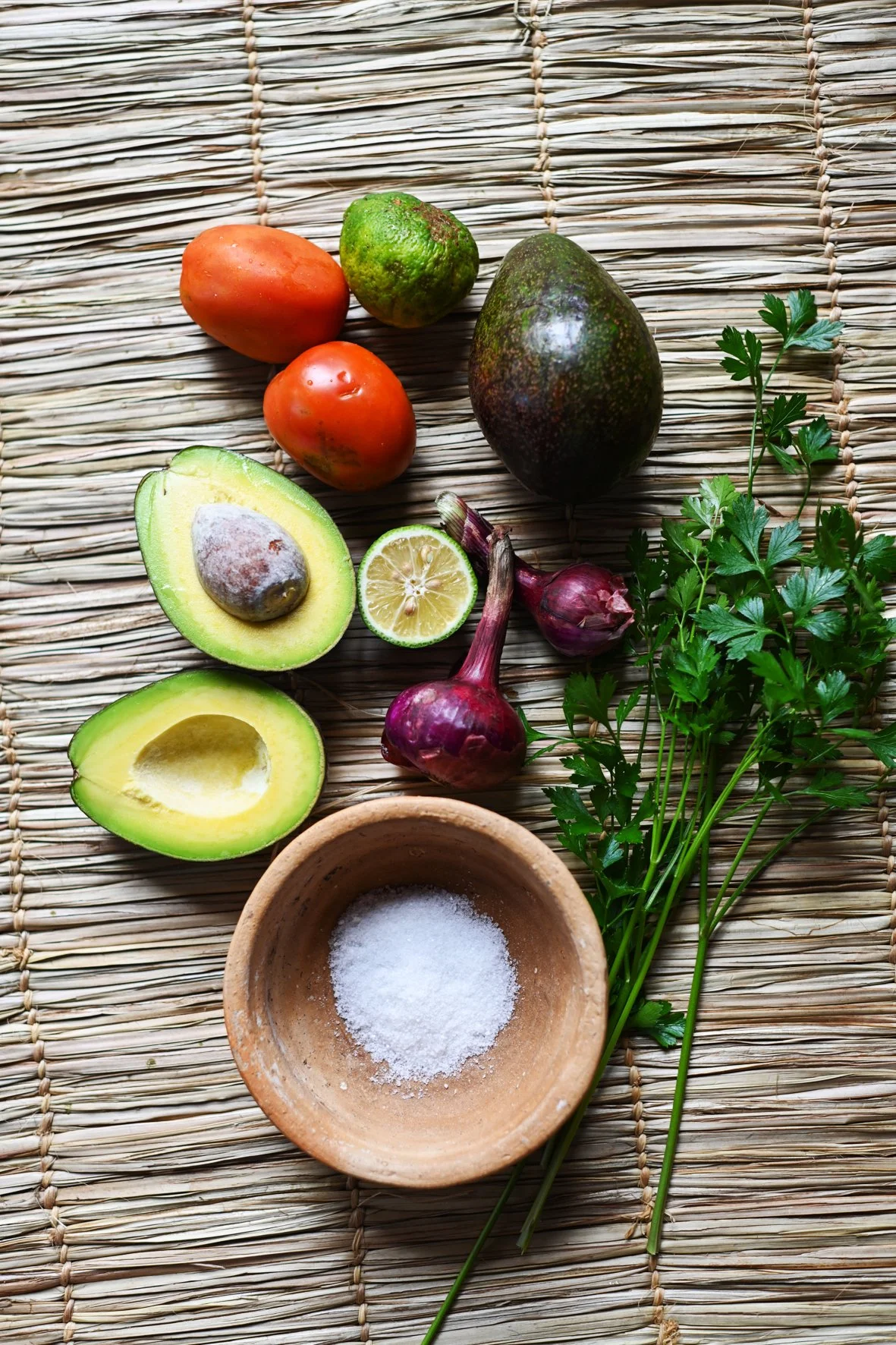
2 ripe avocados
1 onions, finely chopped (start with a small amount if you prefer a milder flavour)
2 tomatoes, deseeded and finely chopped
1 green peppers, finely chopped
Juice of 1-2 fresh lemons, adjusted to taste
Salt to taste
Freshly ground black pepper to taste (optional)
A bundle of chopped up parsley (optional)
Procedure
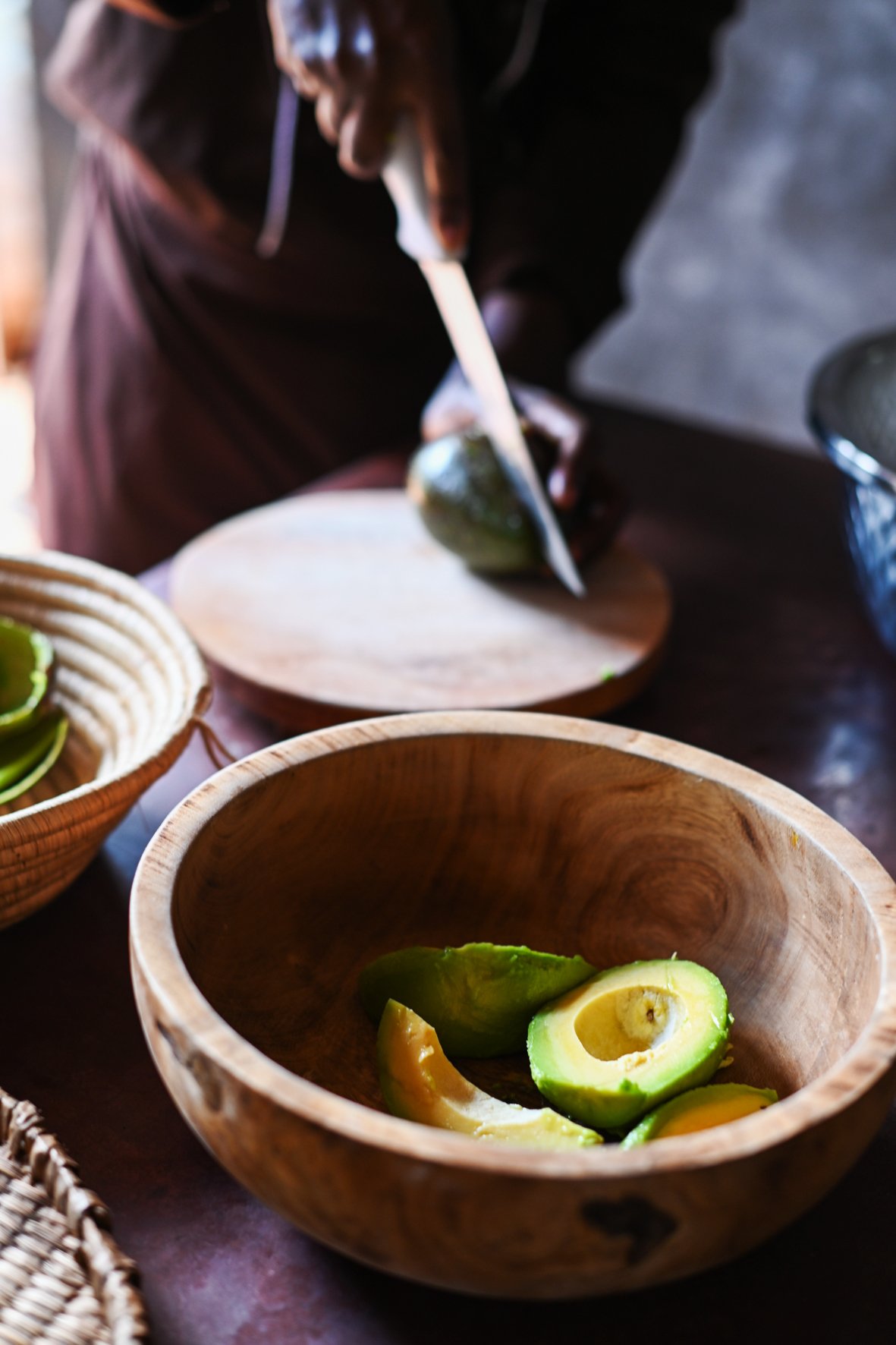
Cut the ripe avocados in half, remove the stones, and scoop the flesh into a clean mixing bowl.
Mash the avocado with a fork until creamy, leaving some small chunks for texture.
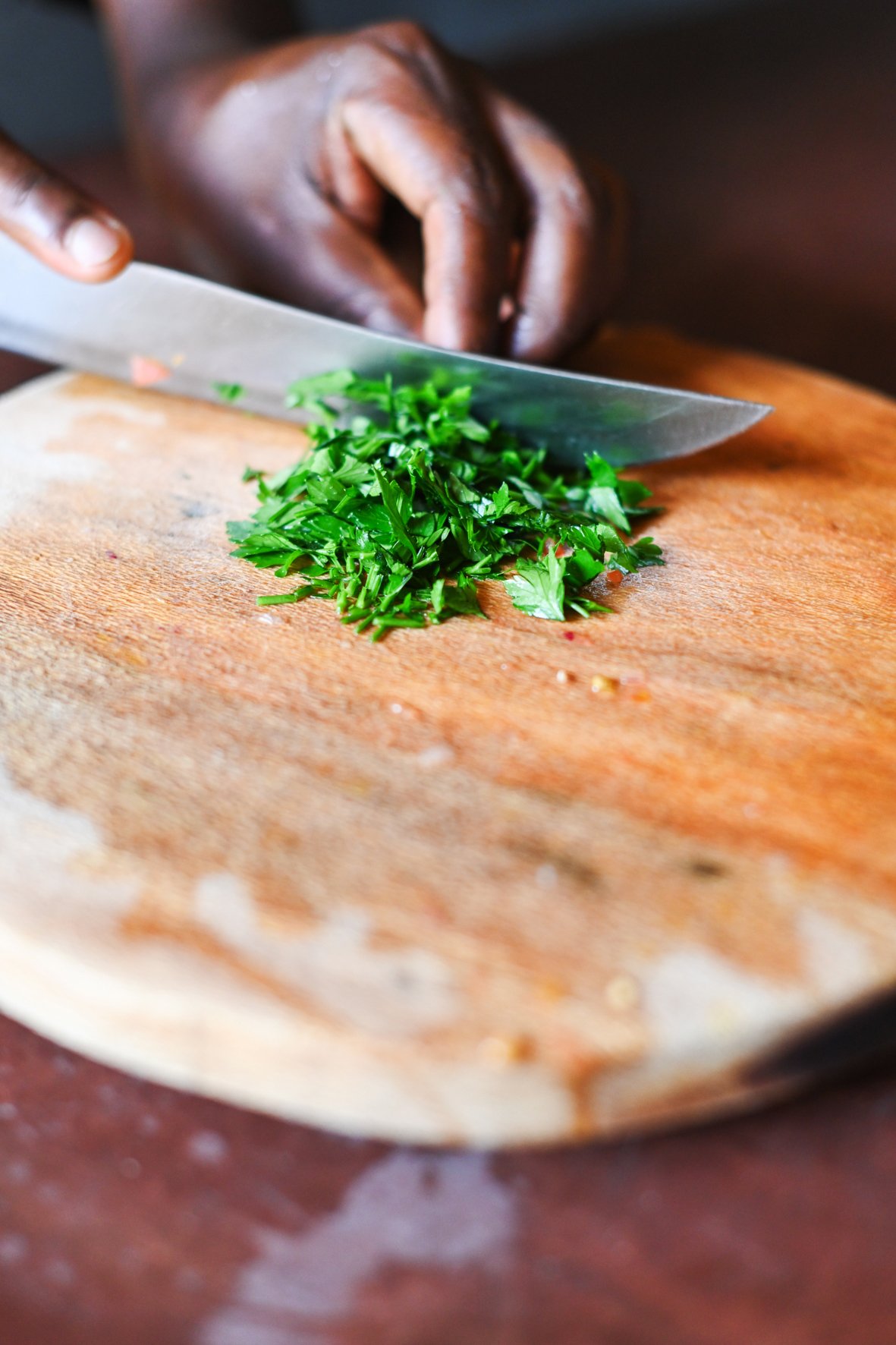
Add the finely chopped onion, deseeded tomato, green pepper, and fresh parsley.
Mash everything together


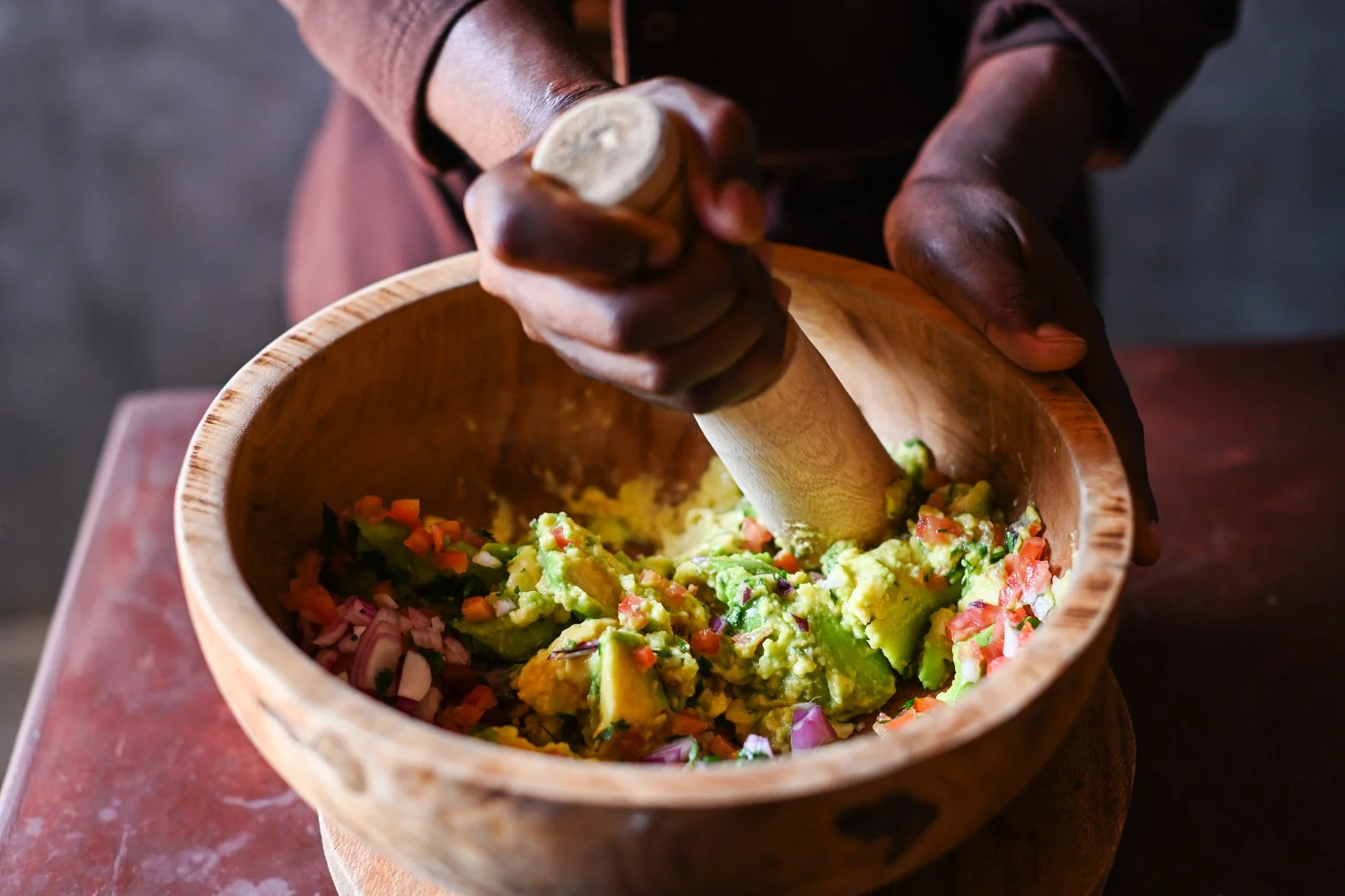
5. Squeeze in some of the fresh lemon juice and season with salt and freshly ground black pepper.
6. Taste and adjust the lemon juice, onions, and seasoning as needed.

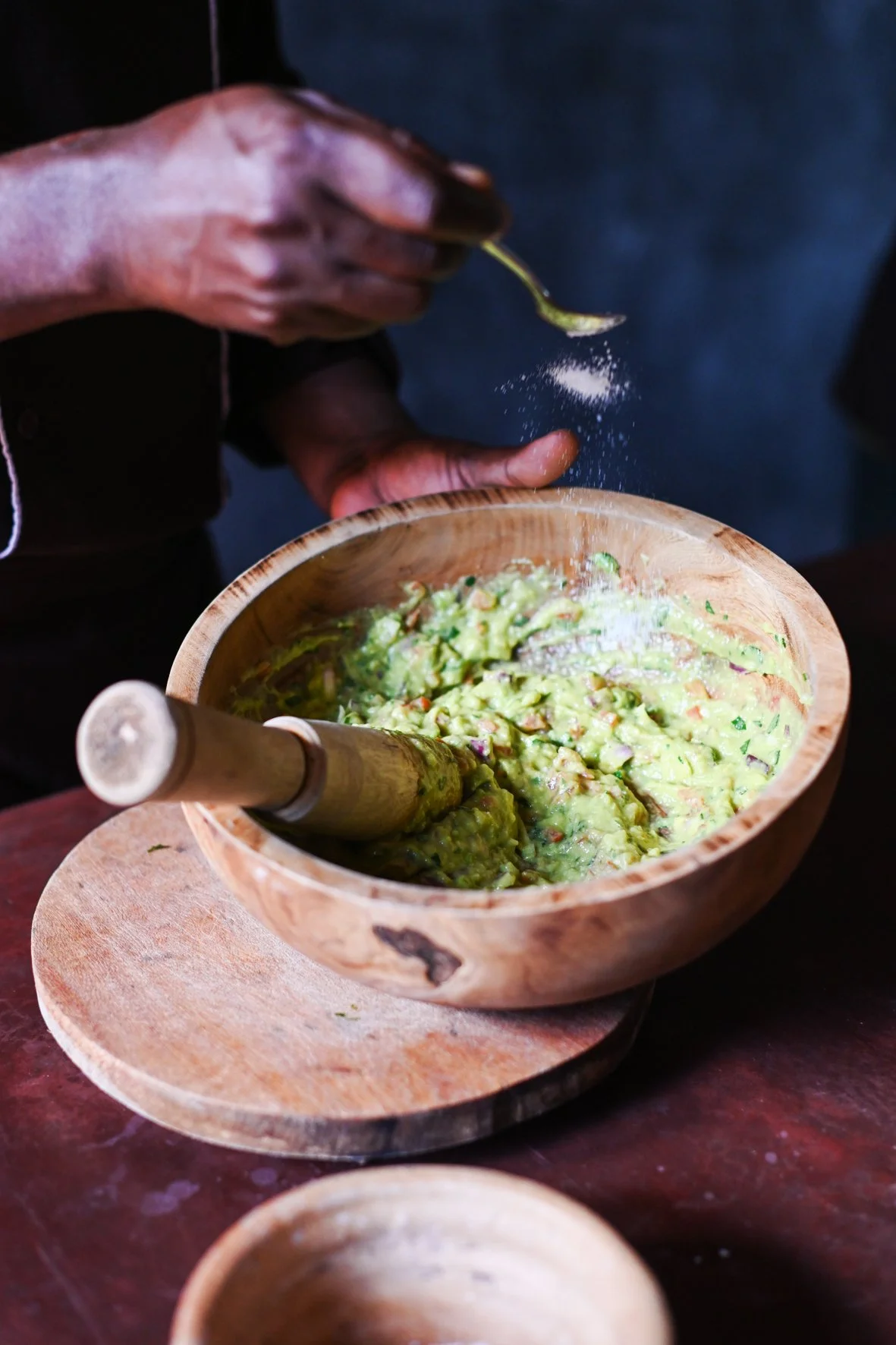
Serve immediately for the freshest flavour. If preparing ahead, cover and refrigerate until ready to serve.
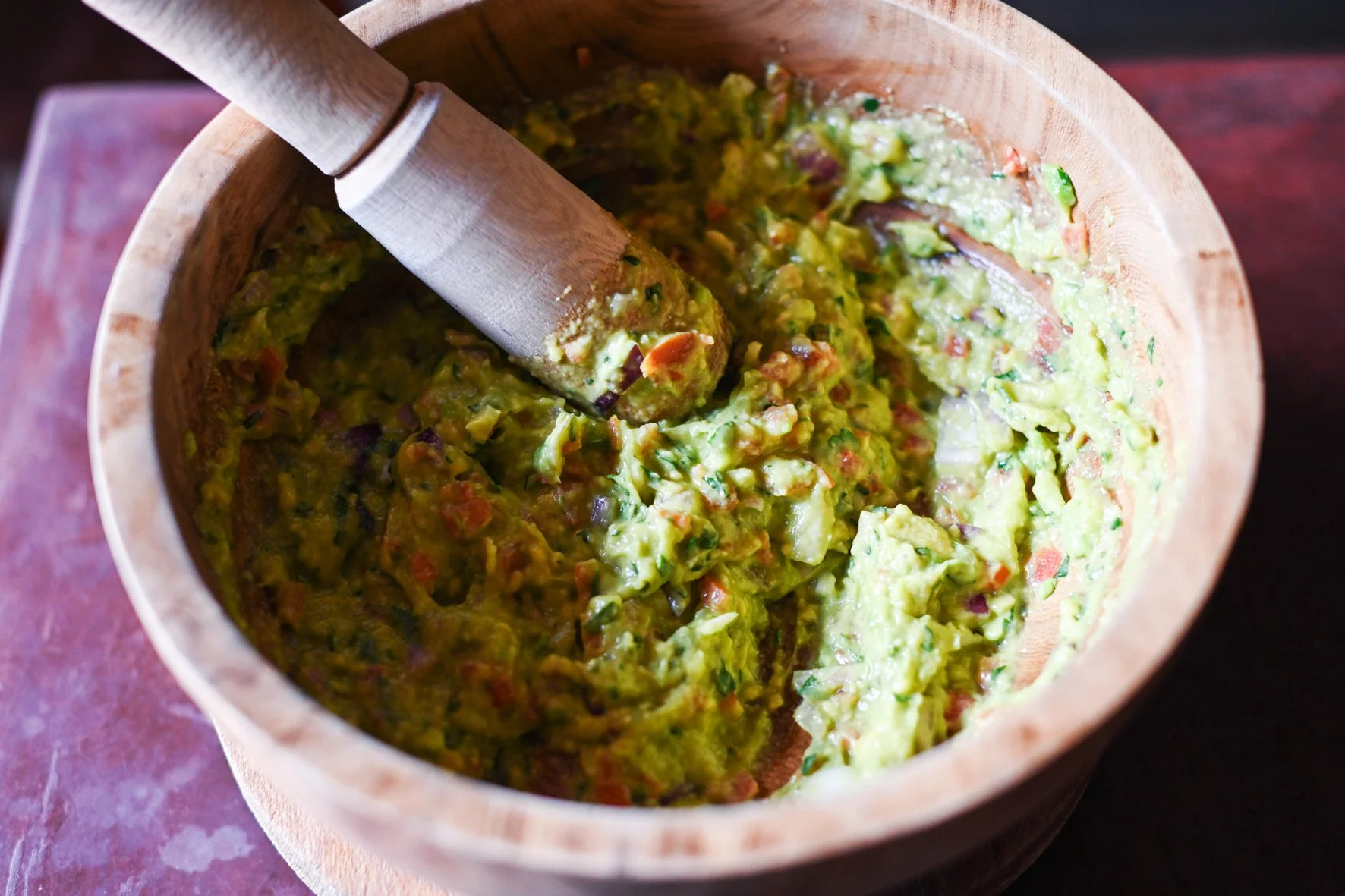
Ready to serve Ugamoli.
What to Expect
A well-made Ugamoli should be:
Fresh, creamy, and slightly chunky
Rich from the avocado, balanced by the acidity of fresh lemon juice
Crunchy from the finely chopped onion and green pepper
Colourful, with small pieces of tomato throughout
Versatile enough to accompany a variety of meals and snacks
Nutrient Profile of Ugamoli
Dietary fibre – avocado, onion, tomato, and green pepper
Healthy monounsaturated fats – avocado
Vitamin C – lemon juice, green pepper, and tomato
Folate (Vitamin B9) – avocado and onion
Vitamin B6 – avocado and onion
Vitamin K – avocado
Vitamin E – avocado
Vitamin A – tomato and green pepper
Potassium – avocado, tomato, and green pepper
Prebiotic fibres – onion
Polyphenols – onion, tomato, green pepper, and avocado
Quercetin – onion
Lycopene – tomato
Vitamin C from the lemon juice, green pepper, and tomato supports iron absorption when Ugamoli is eaten alongside iron-containing foods such as beans and leafy greens.
Recommended for: Children (3 years and above), adolescents, adults, and anyone looking to increase their intake of fibre, healthy fats, and a variety of vitamins and minerals.
A little more about the plant compounds
Polyphenols and other beneficial plant compounds found in avocado, onions, tomatoes, and green peppers contribute to the protective properties of plant-rich diets. Quercetin, found particularly in onions, and lycopene, found in tomatoes, are examples of compounds studied for their roles in protecting cells from oxidative damage. Onions also contain prebiotic fibres that feed beneficial gut bacteria and support a healthy gut microbiome.
Understanding fats
Not all fats are the same. There are three main types of dietary fats:
Monounsaturated fats (e.g. avocado, olive oil, groundnuts)
Polyunsaturated fats (e.g. sunflower seeds, sesame seeds, oily fish)
Saturated fats (e.g. animal fat, butter, ghee, coconut oil)
The names refer to the chemical structure of the fats. Mono means one, referring to one double bond between carbon atoms, while poly means many, referring to two or more double bonds. Saturated fats have no double bonds and are therefore saturated with hydrogen atoms.
As a general guideline, aim to get most of your dietary fat from unsaturated sources. Avocados, groundnuts and seeds provide unsaturated fats that support heart health. Eating too much saturated fat can raise LDL (“bad”) cholesterol and increase the risk of heart disease. Replacing some saturated fats with unsaturated fats can help lower LDL cholesterol. Saturated fats do not need to be eliminated completely, but choosing unsaturated fats more often is a good habit for long-term health.
Let us know what you think about this recipe and share this with others:)