Medicinal
Plant Knowledge
A Partnership
with i-MED vision
Connecting medicinal gardens with medically informed health education.
Medicinal plants are already part of everyday life in many Ugandan communities. But knowing which plants are traditionally used is not the same as knowing how to use them safely.
Together with i-MED vision, we are connecting medicinal plant gardens with accessible, medically informed health education for schools, families and communities.
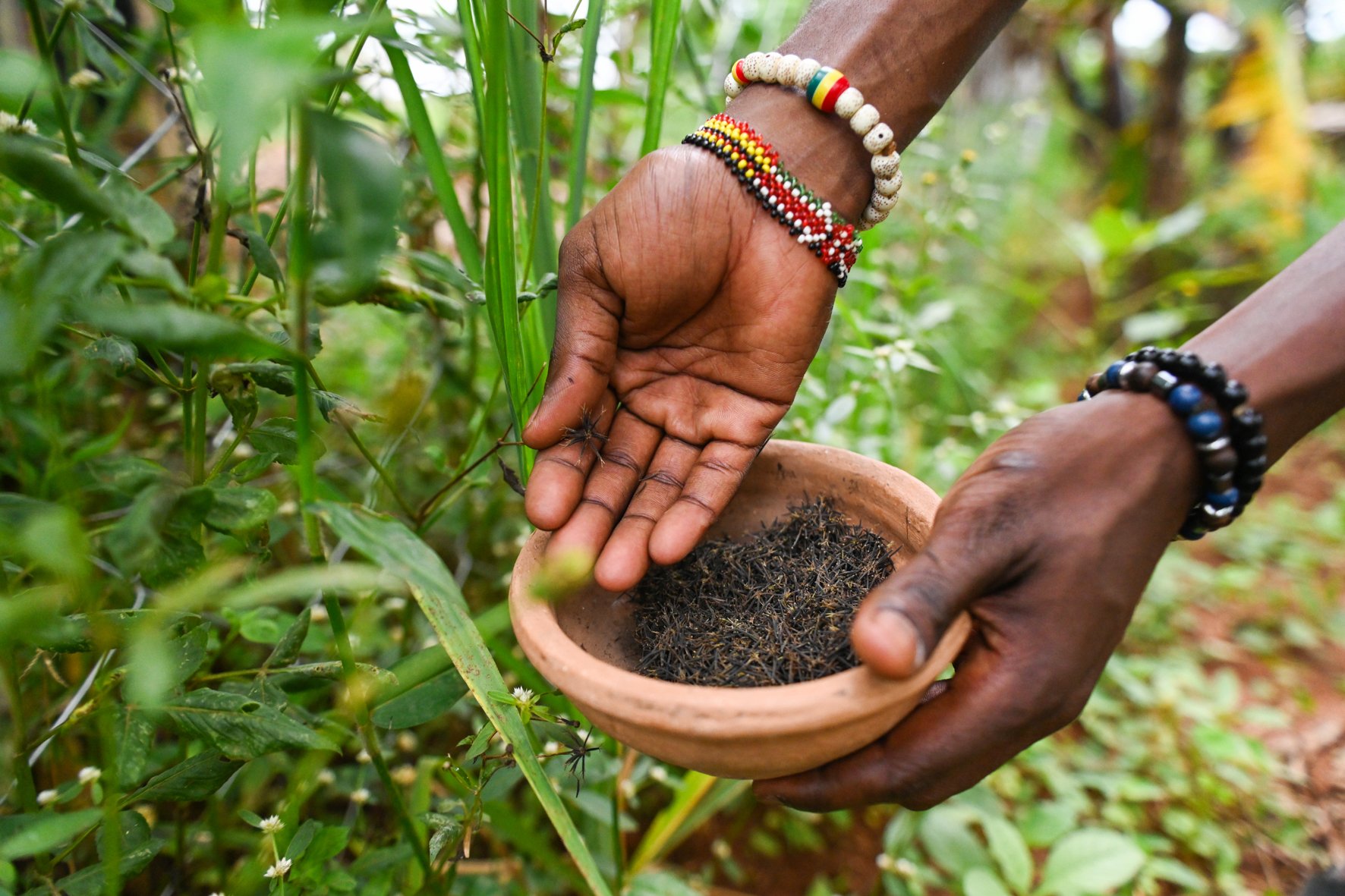
Rather than working with a large number of plants, the initiative focuses on a small selection of locally suitable species. Many of these plants are already familiar in everyday life. Onion, for example, is traditionally used in homemade preparations for coughs. Garlic is also used in traditional home remedies, for example, crushed and fermented in honey. Lemongrass leaves are used to prepare herbal teas.
These are just a few examples of how everyday plants can play a more active role in supporting health. People here already use herbs in their everyday lives, but may not always recognise their full potential or know how to make better use of the plants growing around them.
The initiative builds on this existing knowledge and i-MED vision’s medical expertise to provide practical guidance on appropriate applications, safety considerations, limitations, contraindications and warning signs. Medicinal plants are not a substitute for professional treatment, particularly in serious illnesses such as malaria.
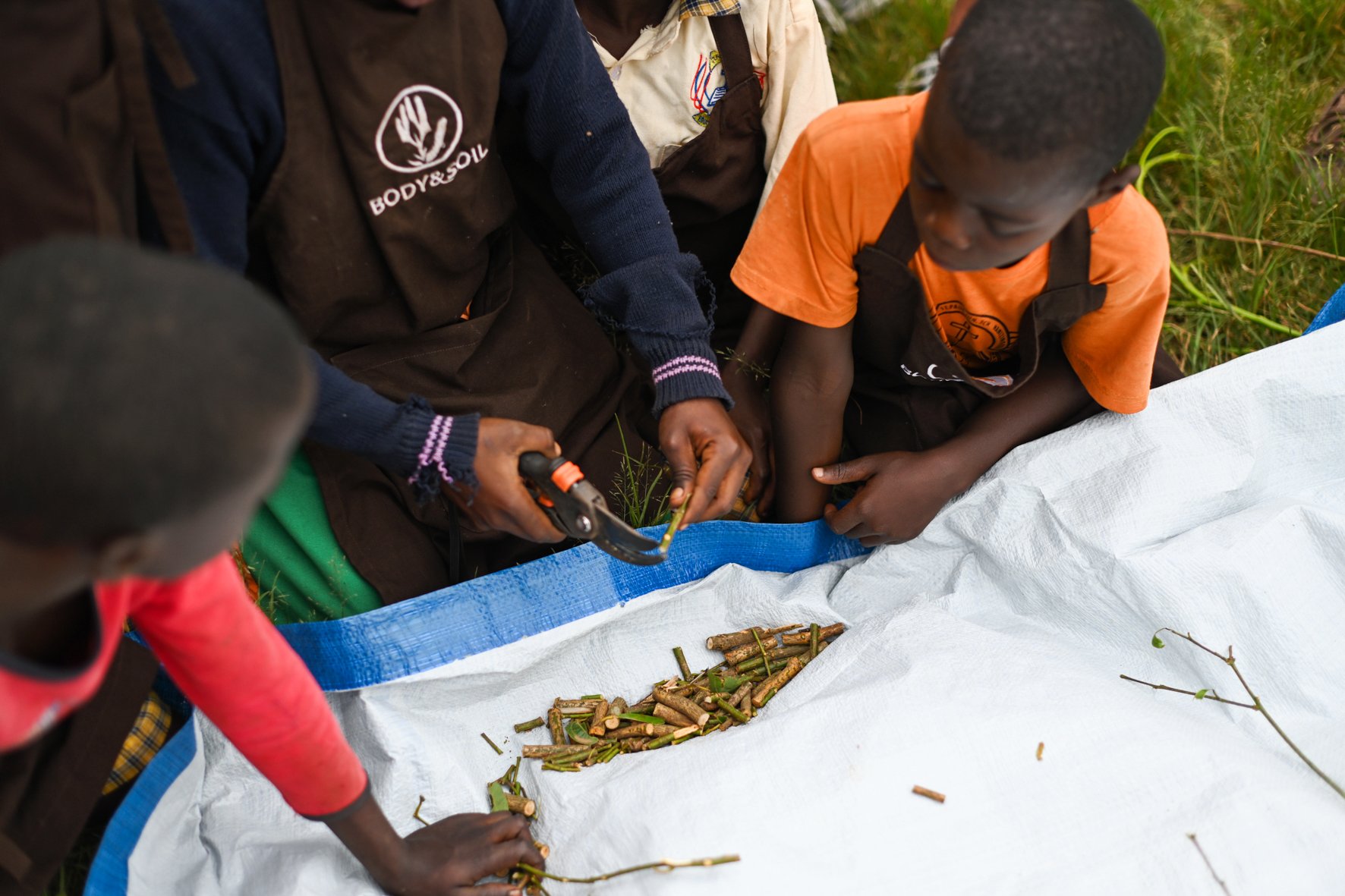
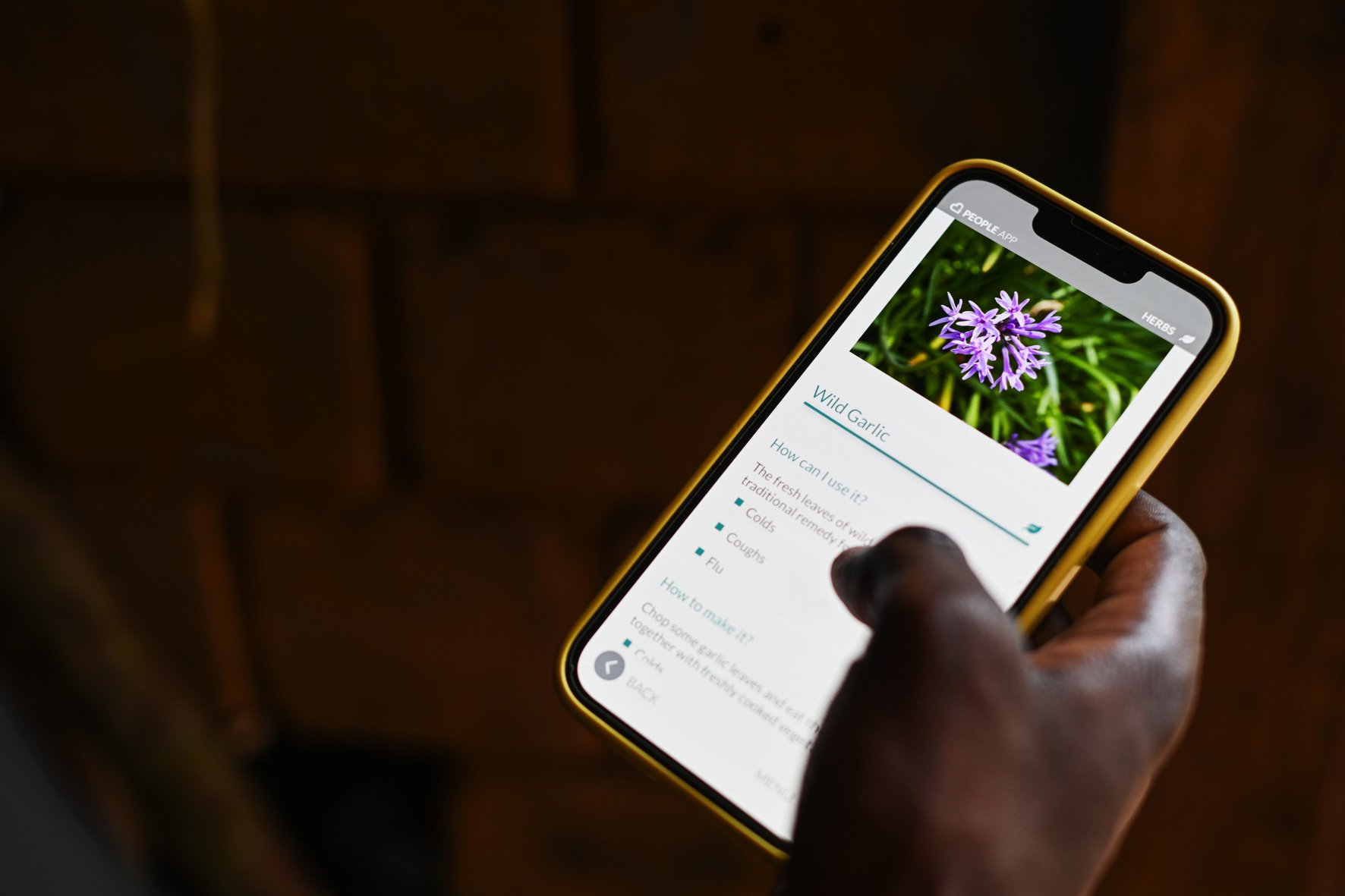
The i-MED People App complements the practical learning in our school clubs by providing information on these selected plants, their appropriate applications, contraindications and medical warning signs. The app is accessible to everyone, both online and offline, giving our trainers and families a resource they can return to in everyday life.
Through our school clubs, community education and the development of Medicinal Plants in a Box, we want to make this knowledge useful in everyday life while exploring opportunities to generate local value and income.
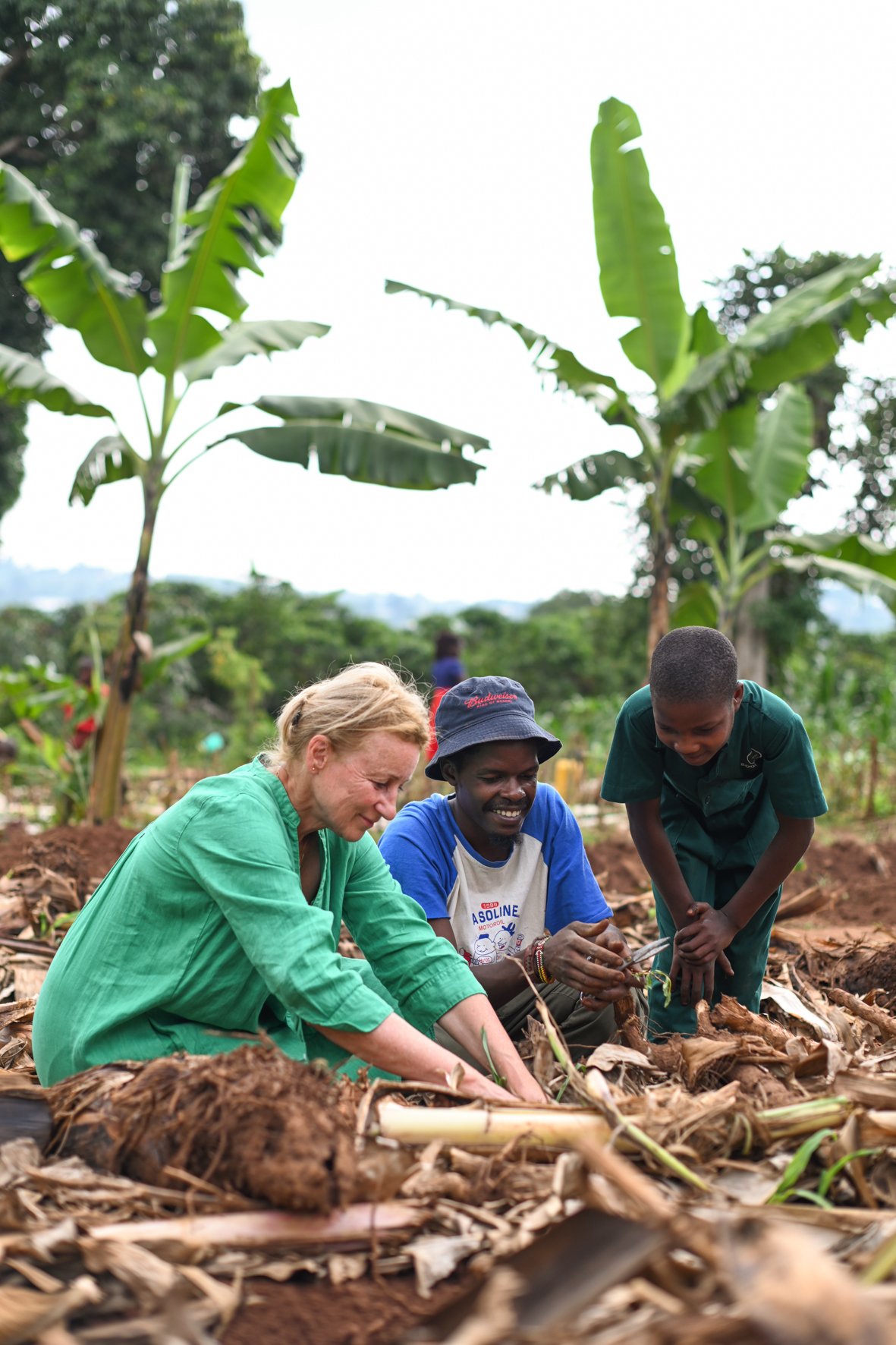
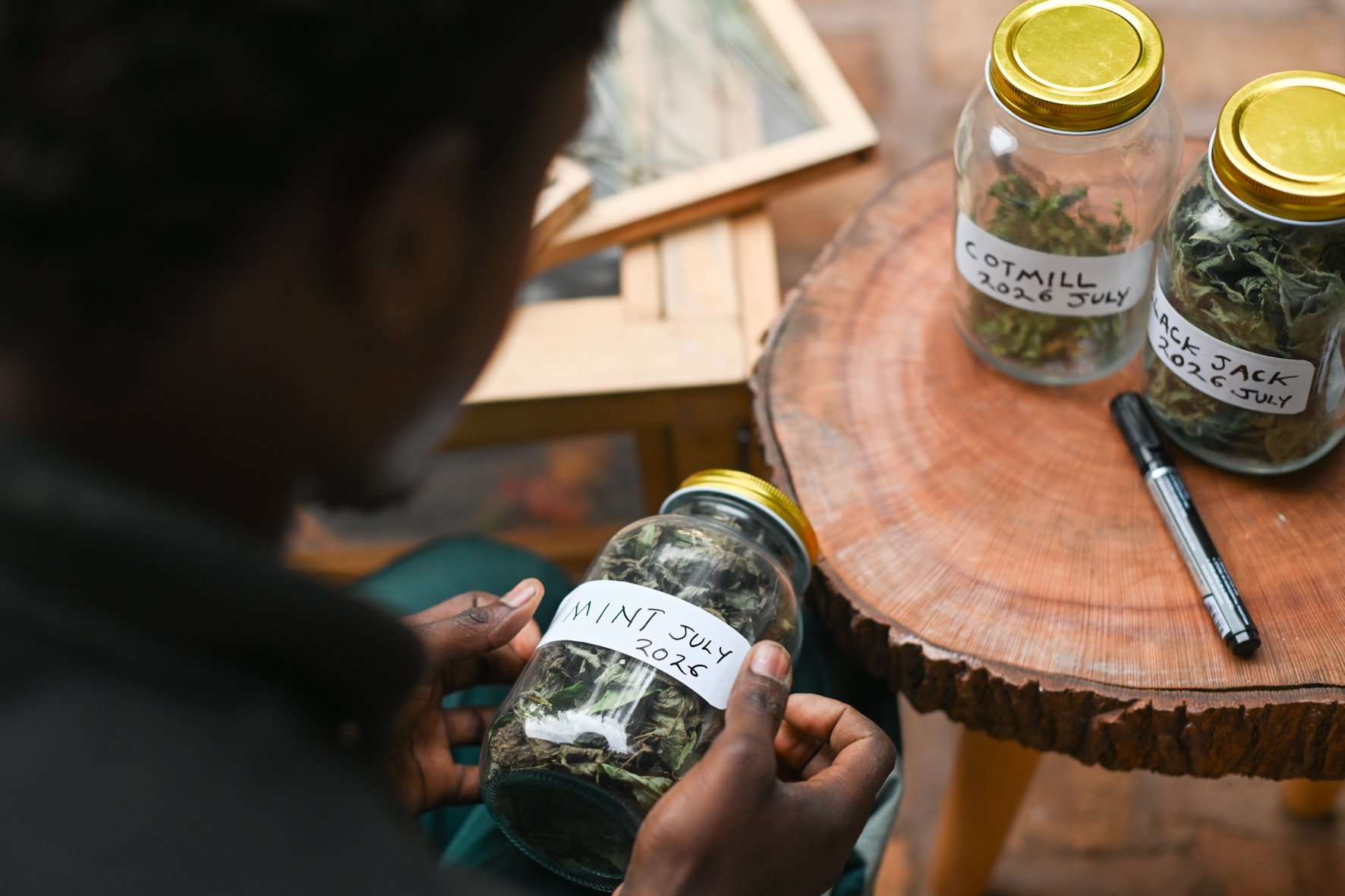
Joshua Victor Semaganda is a visual artist and member of the BODY&SOIL team who leads this initiative, working in close collaboration with Dr. Bärbel Reckhardt from i-MED vision.
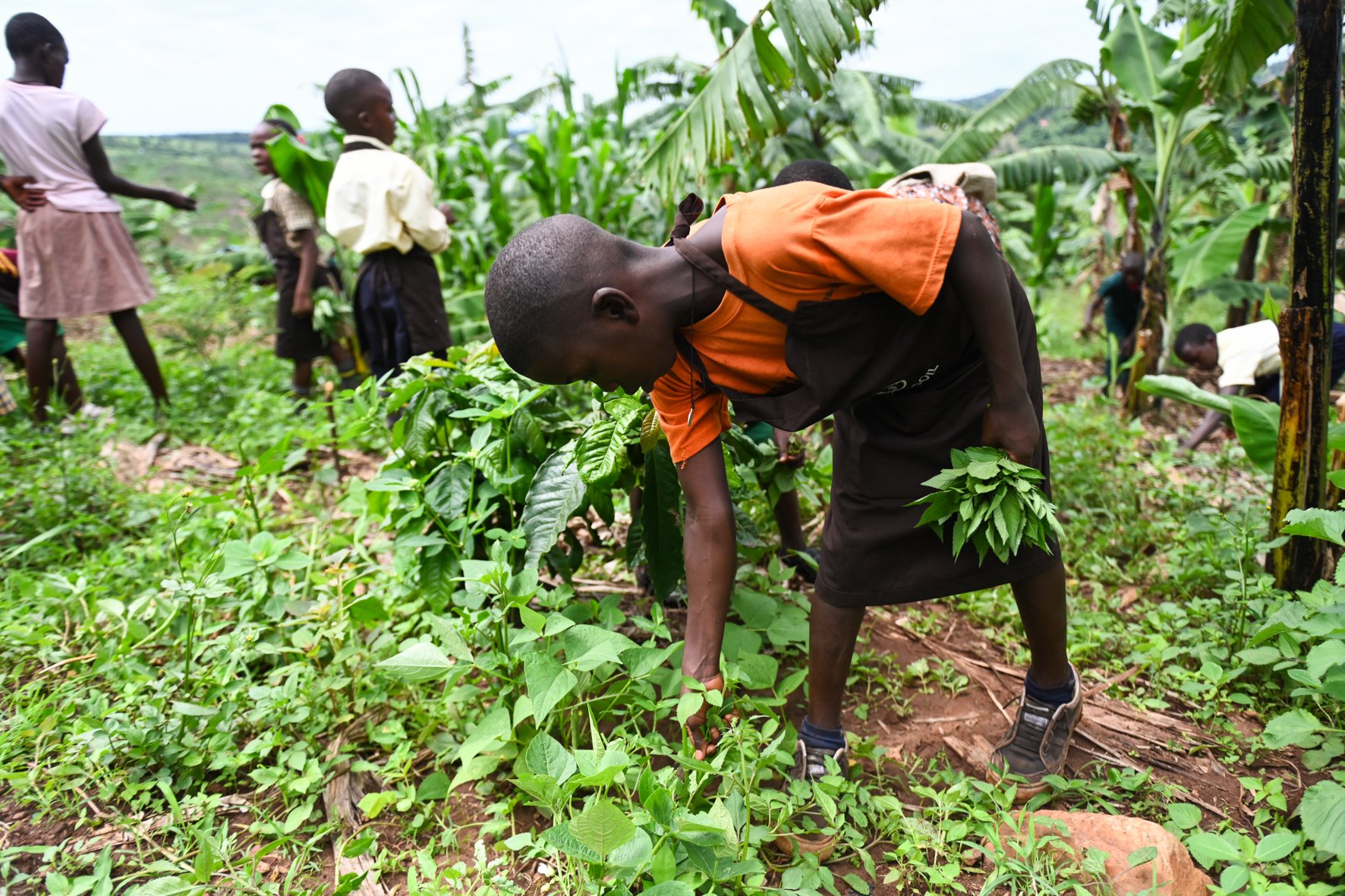
He brings a passion for creative work and research directly into the school gardens, working with children and our team to explore how medicinal plant knowledge can become part of everyday learning and life. He is also exploring how locally available materials can be used to develop practical products, including the idea of Medicinal Plants in a Box. This means looking at everything from the materials and packaging to how the concept can work in schools and eventually reach families and communities.
This is what our Living Agroecological Lab is about: not starting with a finished solution, but testing ideas in practice, learning from what works, changing what doesn't and adapting approaches to the needs of the communities involved. The process itself is what allows ideas to develop into practical models that can be shared, replicated and potentially create new local income opportunities.
Run for Health. Plant Knowledge.
In October 2027, you can help us grow this initiative by running the Berlin Marathon.
Through i-MED vision, your participation helps inspire and educate for a healthier future.
Every Step Helps Grow Good in Uganda.