
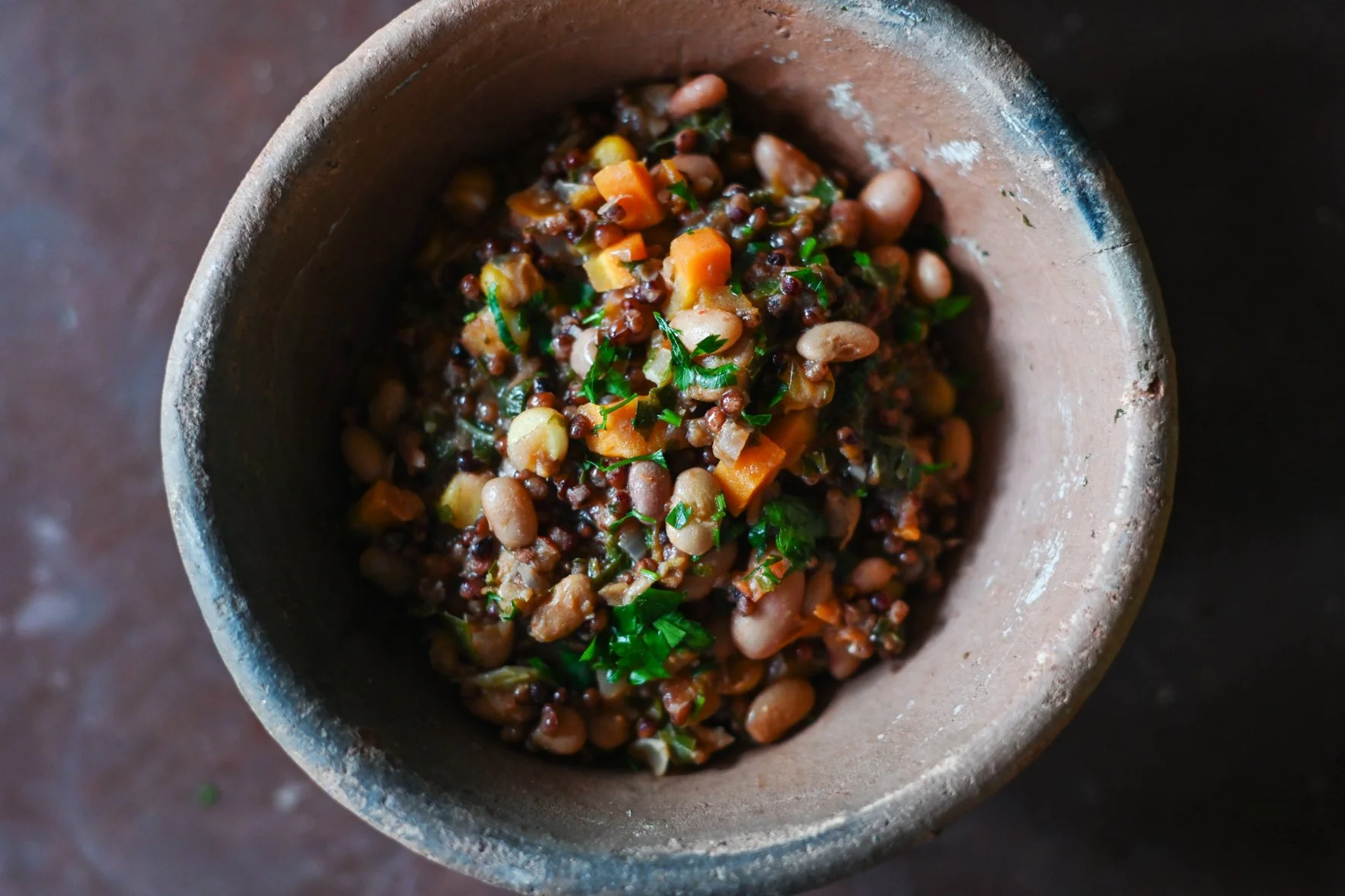
Bringing African grains back to the plate
An African, nourishing and flavourful dish that brings together traditional grains, legumes and vegetables – with the potential to rethink the everyday school meal.
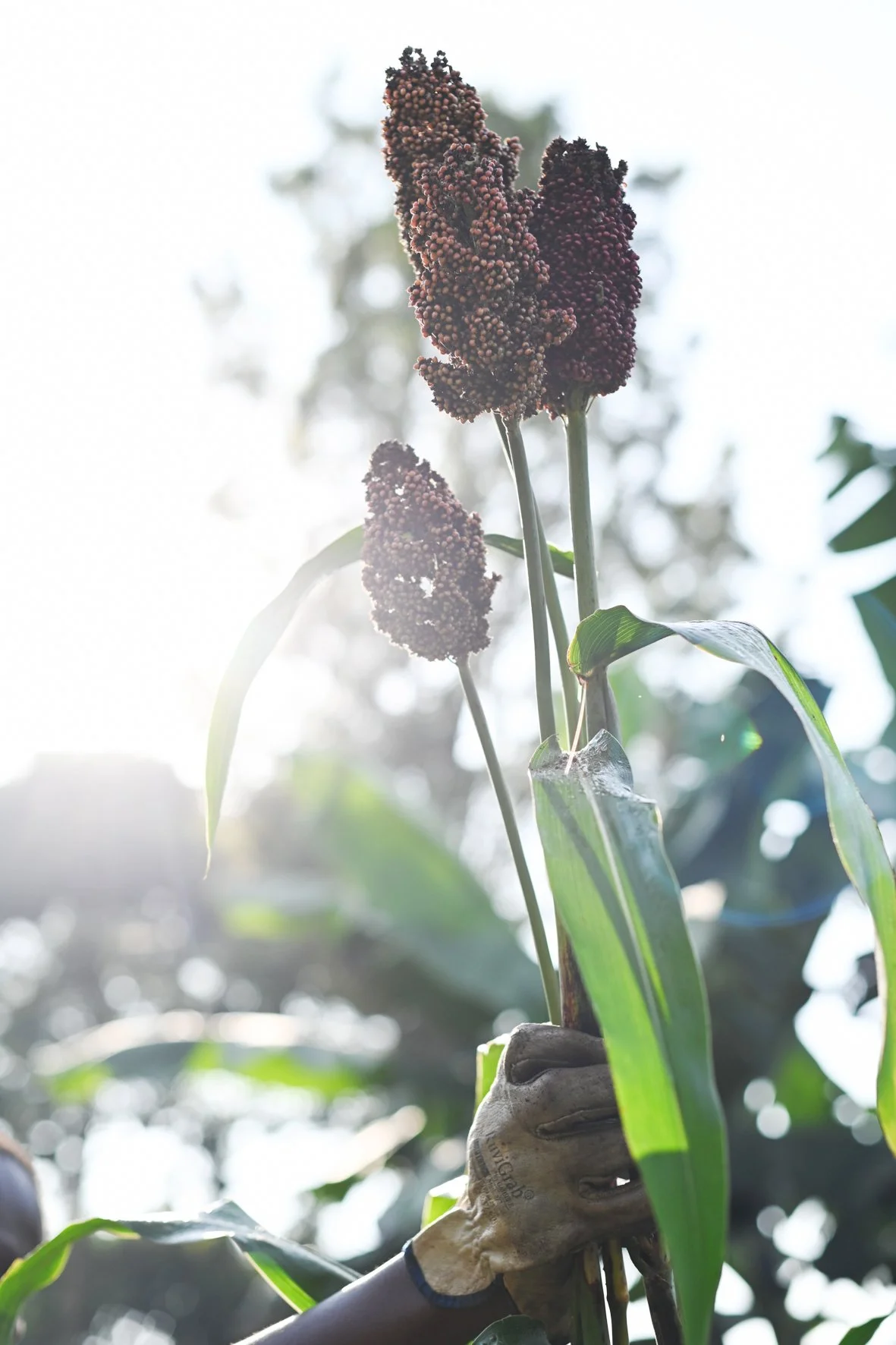
African Sorghum right before the harvest.
Africa has an extraordinary diversity of food crops. Sorghum, millet, teff and fonio are just a few examples of grains that have nourished communities across the continent for generations. Yet, many everyday diets today rely heavily on a much narrower selection of staple foods.
Maize (corn), rice and wheat have increasingly come to dominate many diets. In Uganda, maize has become one of the most important staples, forming the basis of everyday school meals in the form of posho, a thick maize meal.
But maize did not originate in Africa. It was domesticated in the Americas and introduced to the continent several centuries ago. During colonial rule, agricultural policies and systems increasingly promoted crops that were familiar to European farmers and markets, while many traditional African grains and local farming practices were overlooked, marginalised or dismissed. Sorghum and millet, which had nourished communities for generations, gradually lost ground in many places.
Interestingly, many of these traditional grains are also more drought-tolerant and can grow with considerably less water than maize, depending on the variety and growing conditions.
Why this recipe matters
Maize has undoubtedly become an important part of African food cultures, so we don't want to remove it completely from our diets. But it has also stolen the show from grains that offer so much more – for our bodies, our soils and our agricultural diversity.
Developing recipes that are tasty, adaptable and affordable, using a wider variety of grains, is therefore not only important for nutrition. It also creates opportunities to diversify agricultural production, improve soil health and build more resilient local food systems.
This Sorghum, Maize & Bean Stew is one example. We combine two familiar ingredients, maize and beans, with sorghum – a whole grain that many children today may hardly know as a staple food. Tomatoes, carrots, onions, fresh herbs and spices bring everything together in a hearty, colourful and flavourful dish that can be enjoyed by children and adults alike.
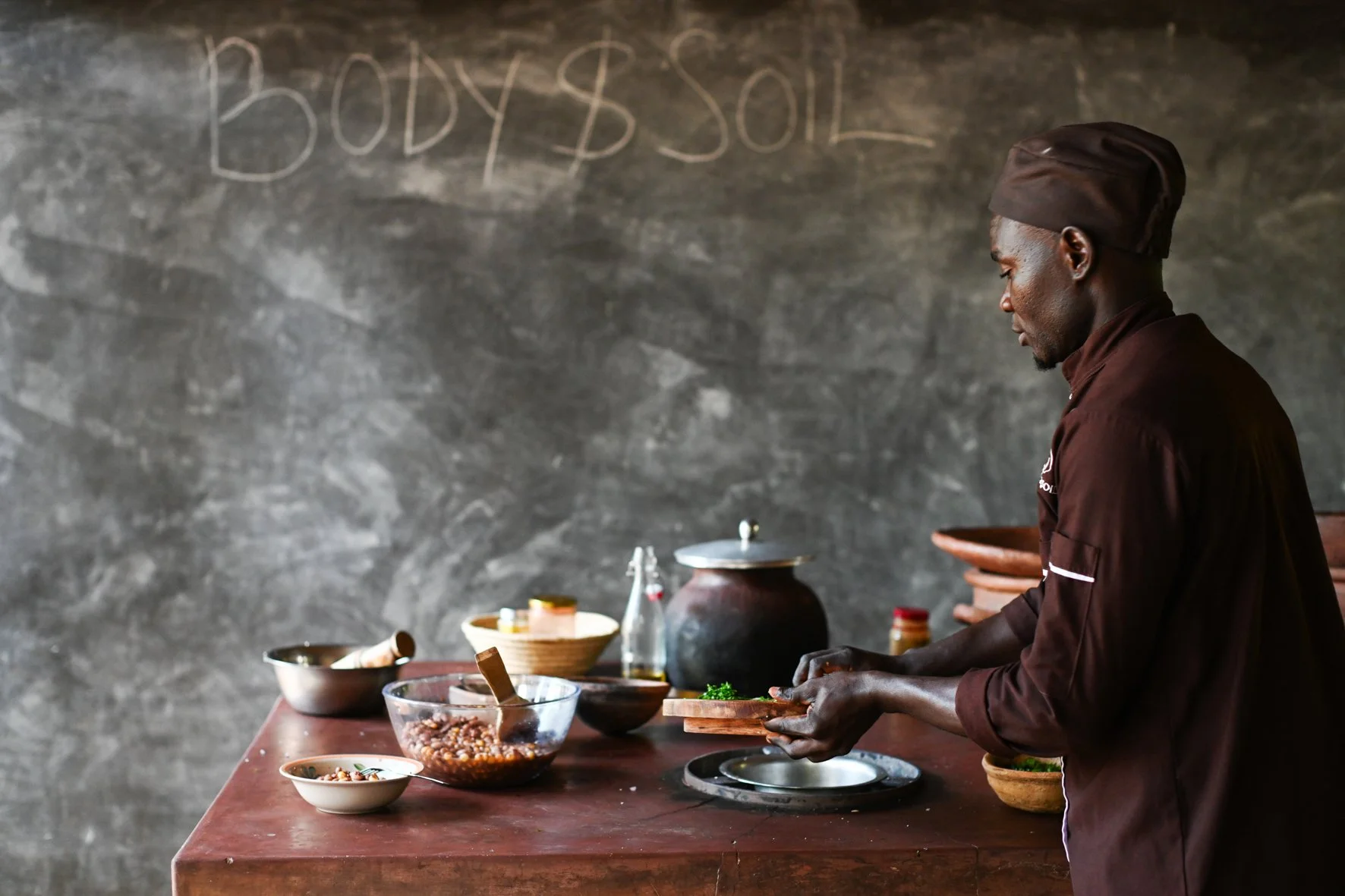
Our goal is to bring dishes like this to the plates of students in schools, universities and other institutions. We want to inspire people to celebrate and rediscover new possibilities with the foods already growing around them.
The next step for us is to work directly with farmers, helping schools source seasonal ingredients such as these grains while creating new markets for crops that have increasingly lost their place in local food systems. With appropriate planning, bulk procurement and local processing, these meals could become affordable alternatives to conventional school menus. That's what we're working towards in 2027!
Recipe by: Collins Wandera
Ingredients
Serves: 5-6 people
Preperation time: 1-1,5 hours
190 g dry sorghum grains (approximately 1 cup)
85 g dry maize grains
190 g dry beans (approximately 1 cup)
Around 200 g local kale, called Skuma in Uganda
2–3 medium ripe tomatoes, chopped
1 large onion, chopped
2 medium carrots, diced
2–3 stalks of spring onions, chopped
2–3 tablespoons cooking oil
Salt to taste
VePa spice mix to taste (or your own curry spice mix)
Water or vegetable stock as required
Fresh parsley, chopped (if available)
Fresh lemon juice to taste
Preparation
1. Sorting, washing and soaking
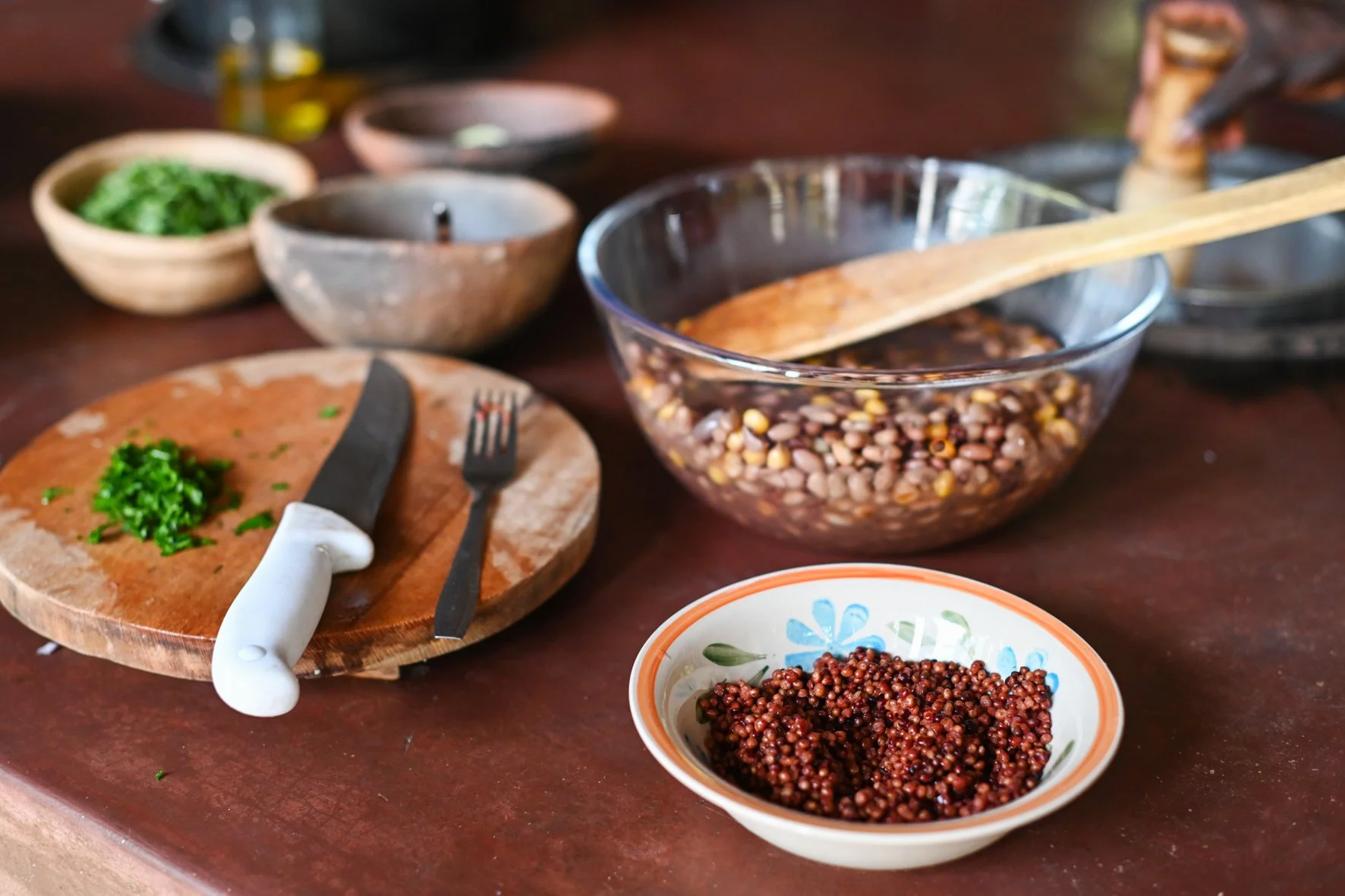
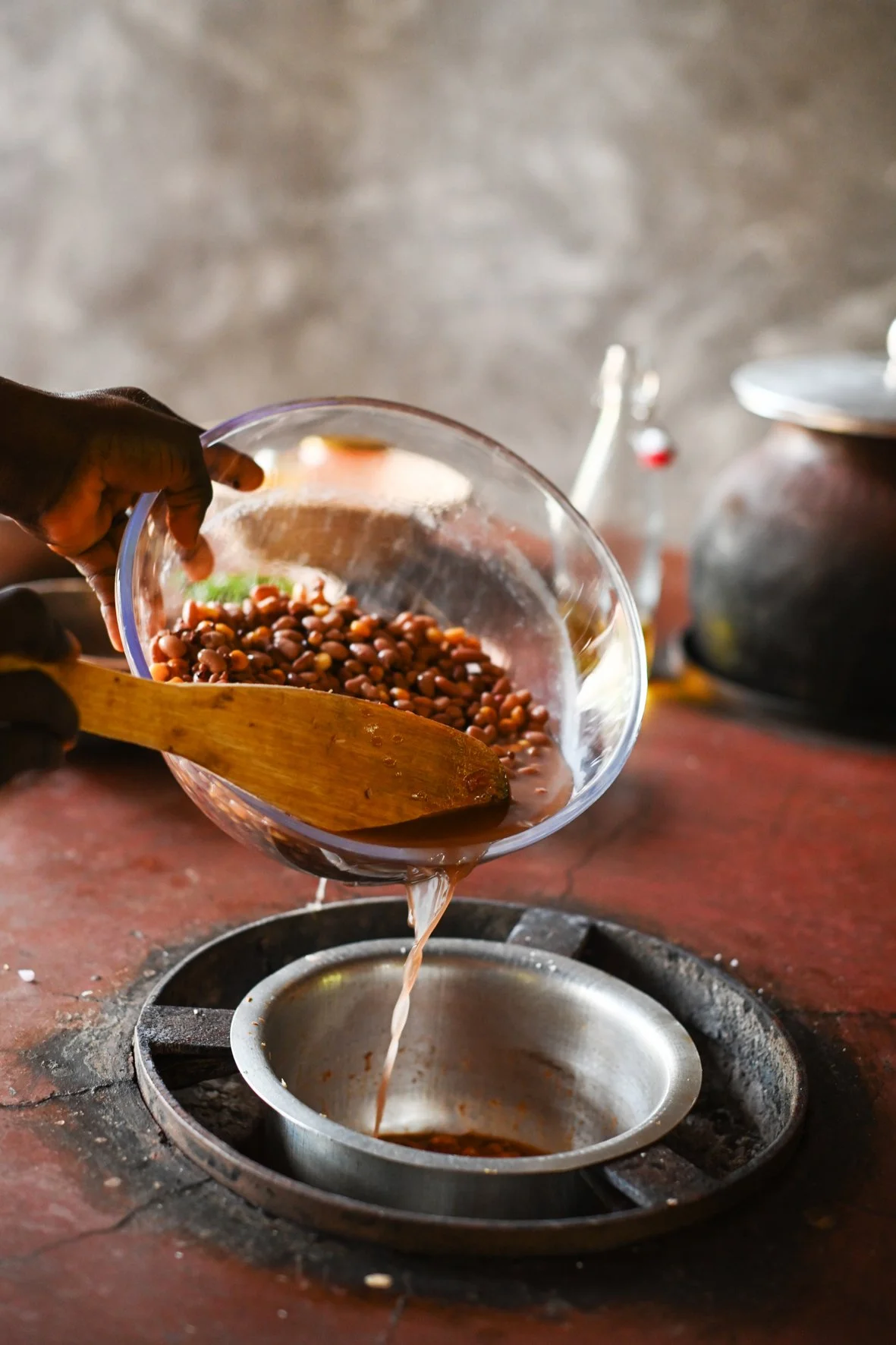
Sort the sorghum, maize and beans separately, removing stones and damaged grains. Wash thoroughly and soak each ingredient separately in clean water for 8–12 hours or overnight.
Drain the soaking water (or give it to your plants) and rinse the grains and beans before cooking in fresh water!
2. Cooking the grains and beans
Place the soaked sorghum, maize and beans in separate pots. Add fresh water and boil until each ingredient is thoroughly cooked and tender. Cooking times will vary depending on the varieties and age of the grains and beans.
Ensure the beans are completely cooked.
Don't drain the beans completely. Keep some of the cooking liquid aside to use in the stew as both a thickener and stock.
3. Preparing the vegetable base
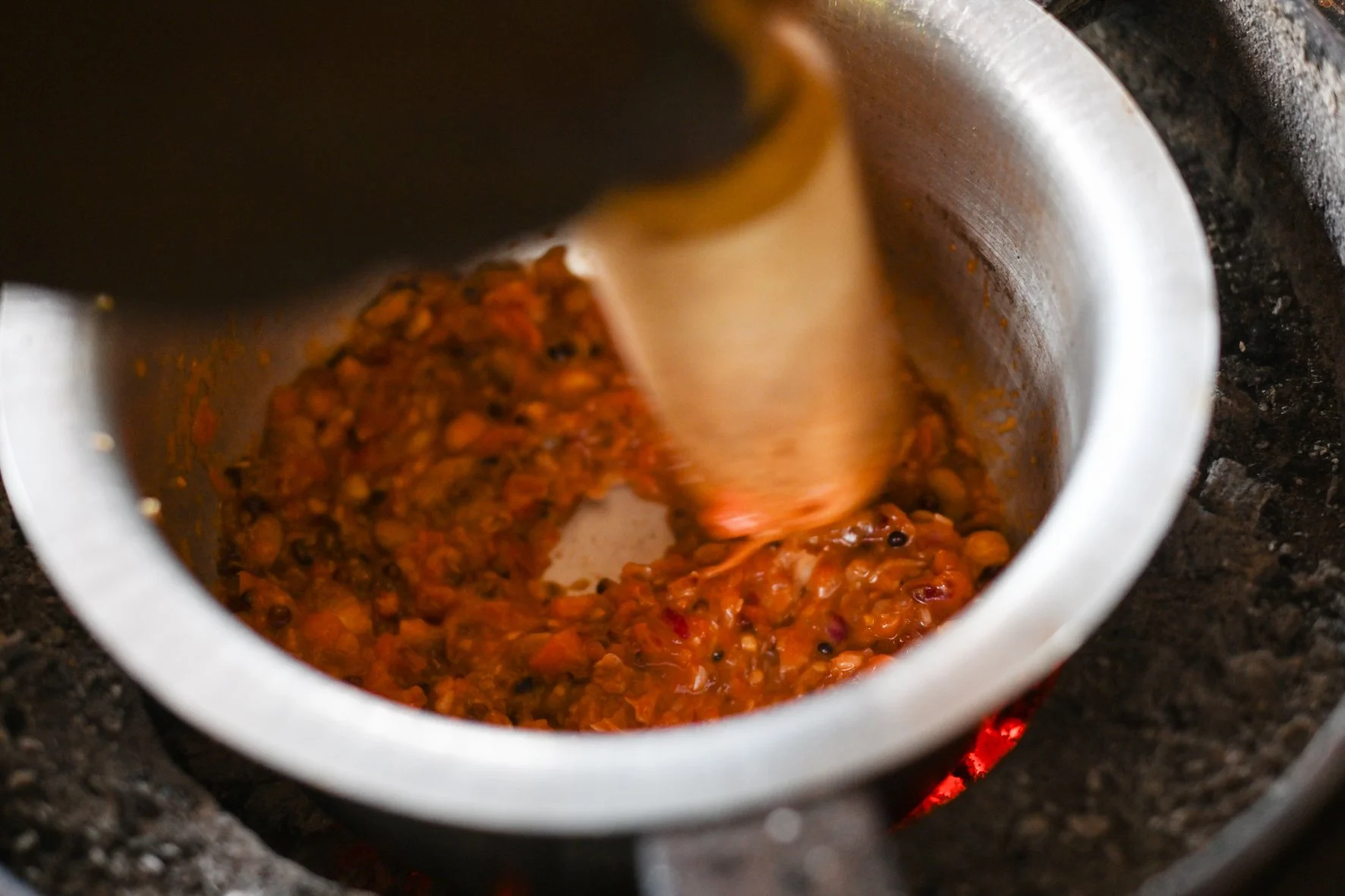
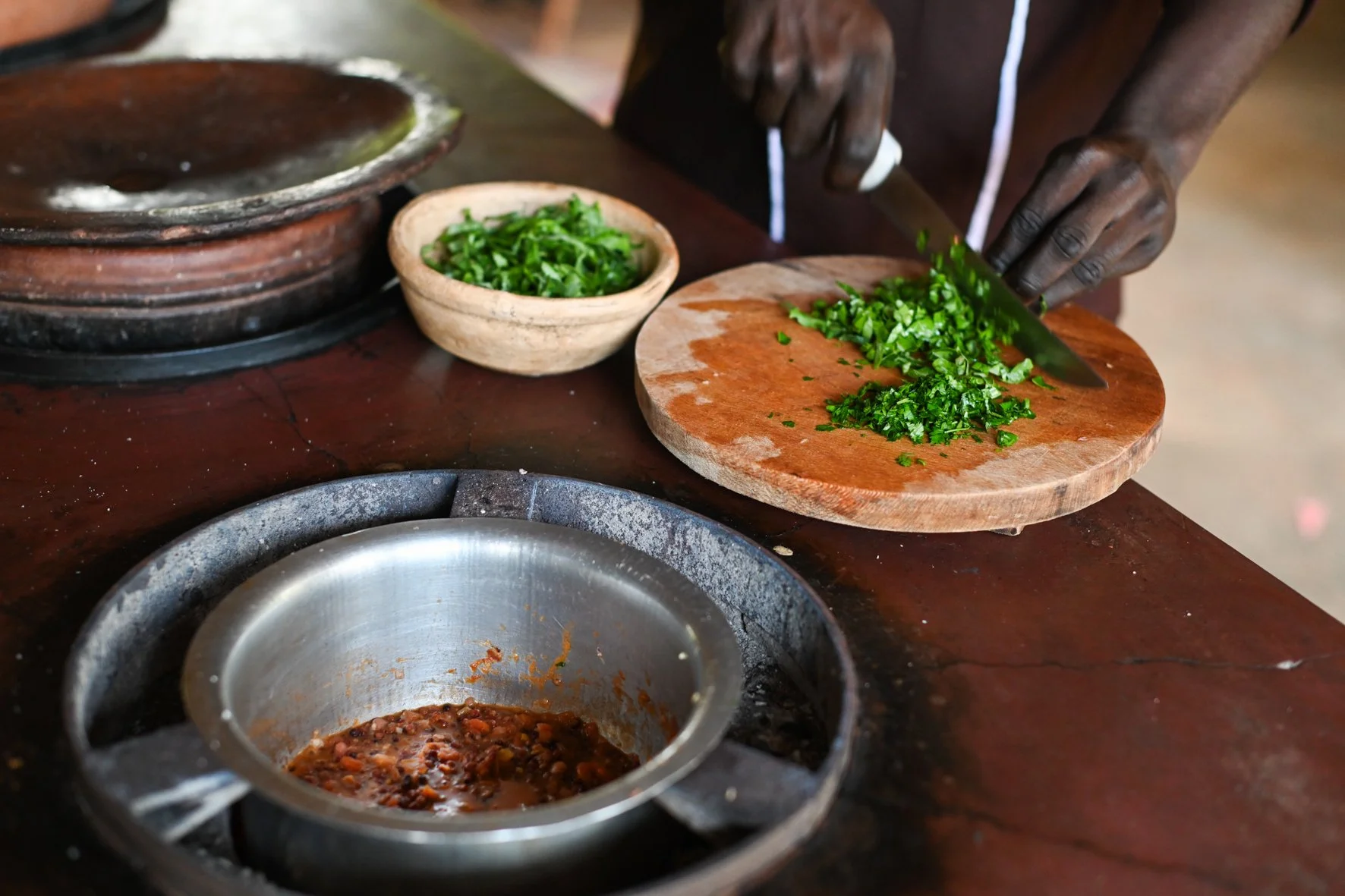
Heat the cooking oil in a large saucepan. Add the onions and sauté until soft and translucent. Add the tomatoes and cook until they form a thick sauce. Lightly mash the tomatoes in the saucepan.
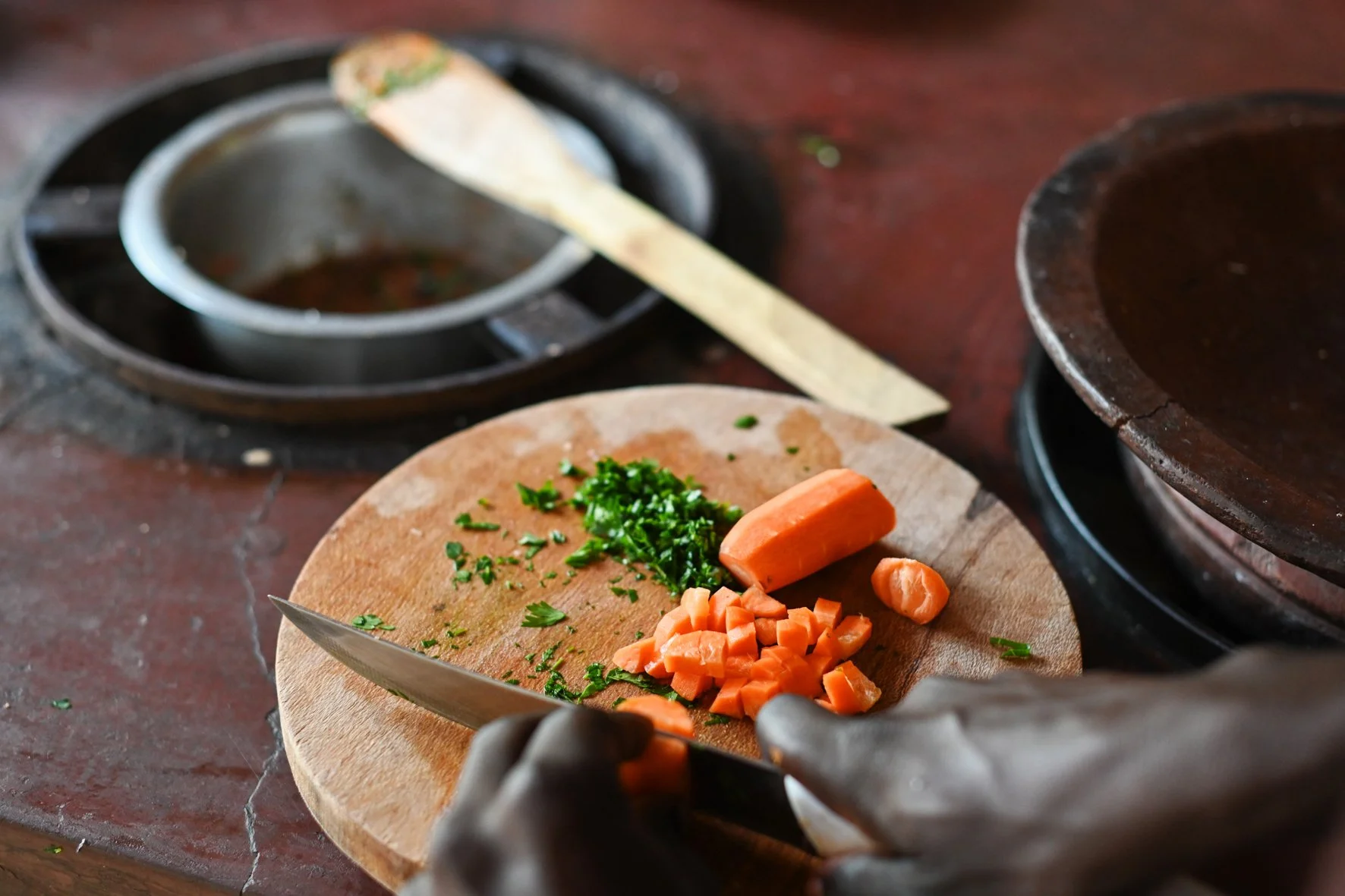
Chop and dice the vegetables. Cut the Skuma into fine slices.
Stir in the carrots, spring onions, Skuma and VePa Mix (the recipe is here), or your own curry spice mix. Allow the vegetables and spices to cook together briefly.
4. Combining and simmering
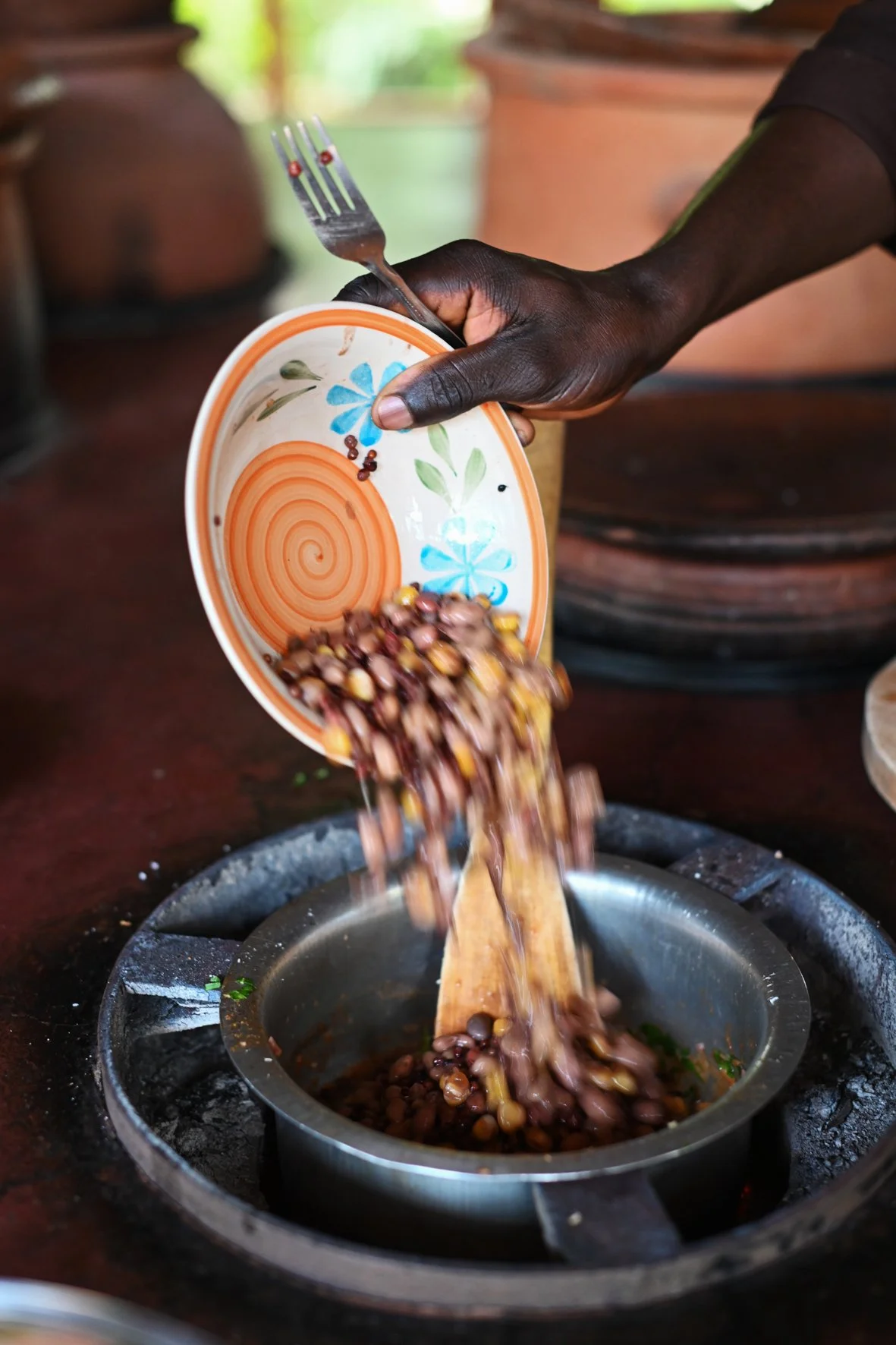
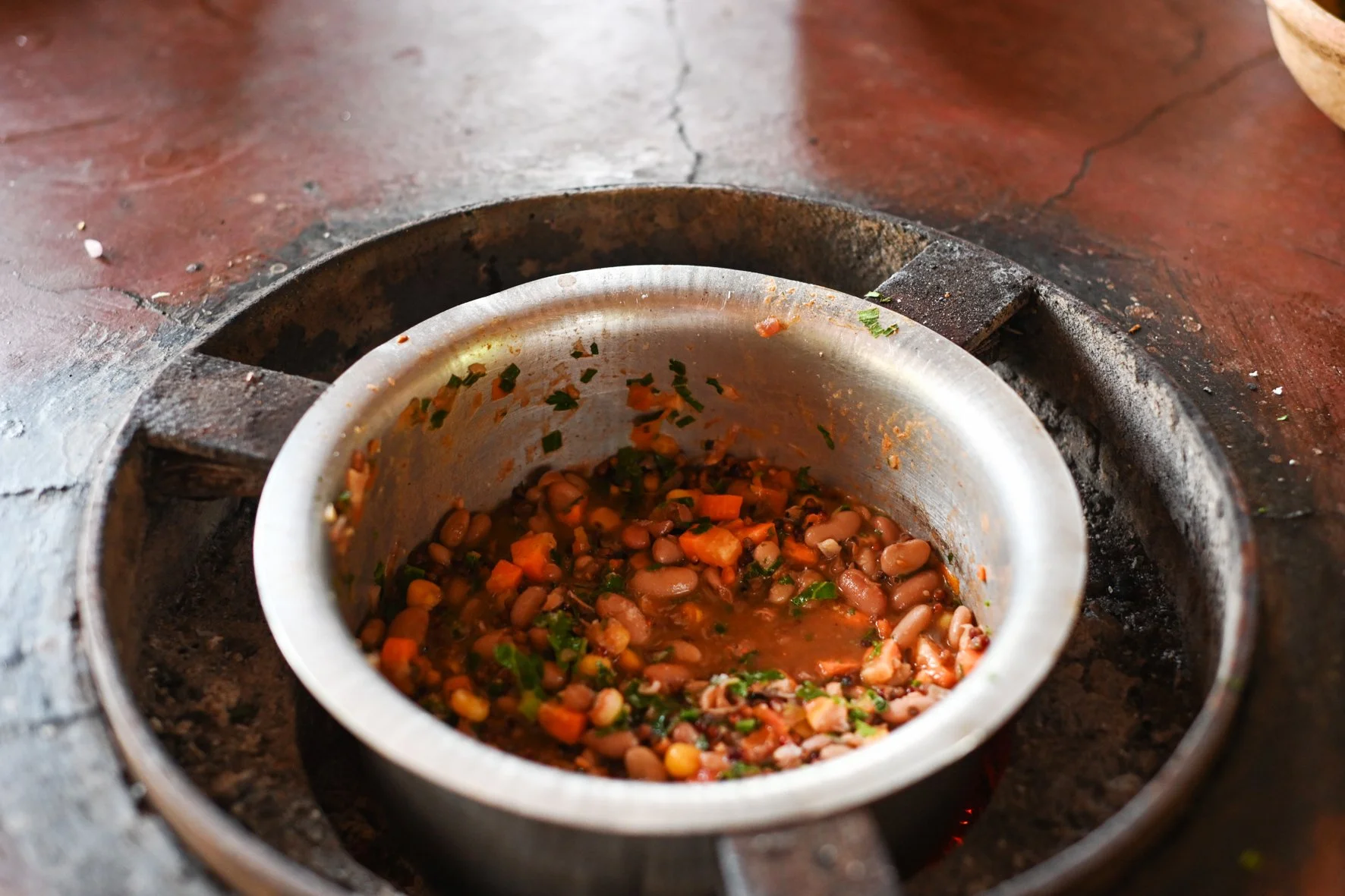
Add the cooked sorghum, maize and beans to the vegetable sauce. Stir well and gradually add the reserved cooking liquid or fresh water until you reach your preferred consistency.
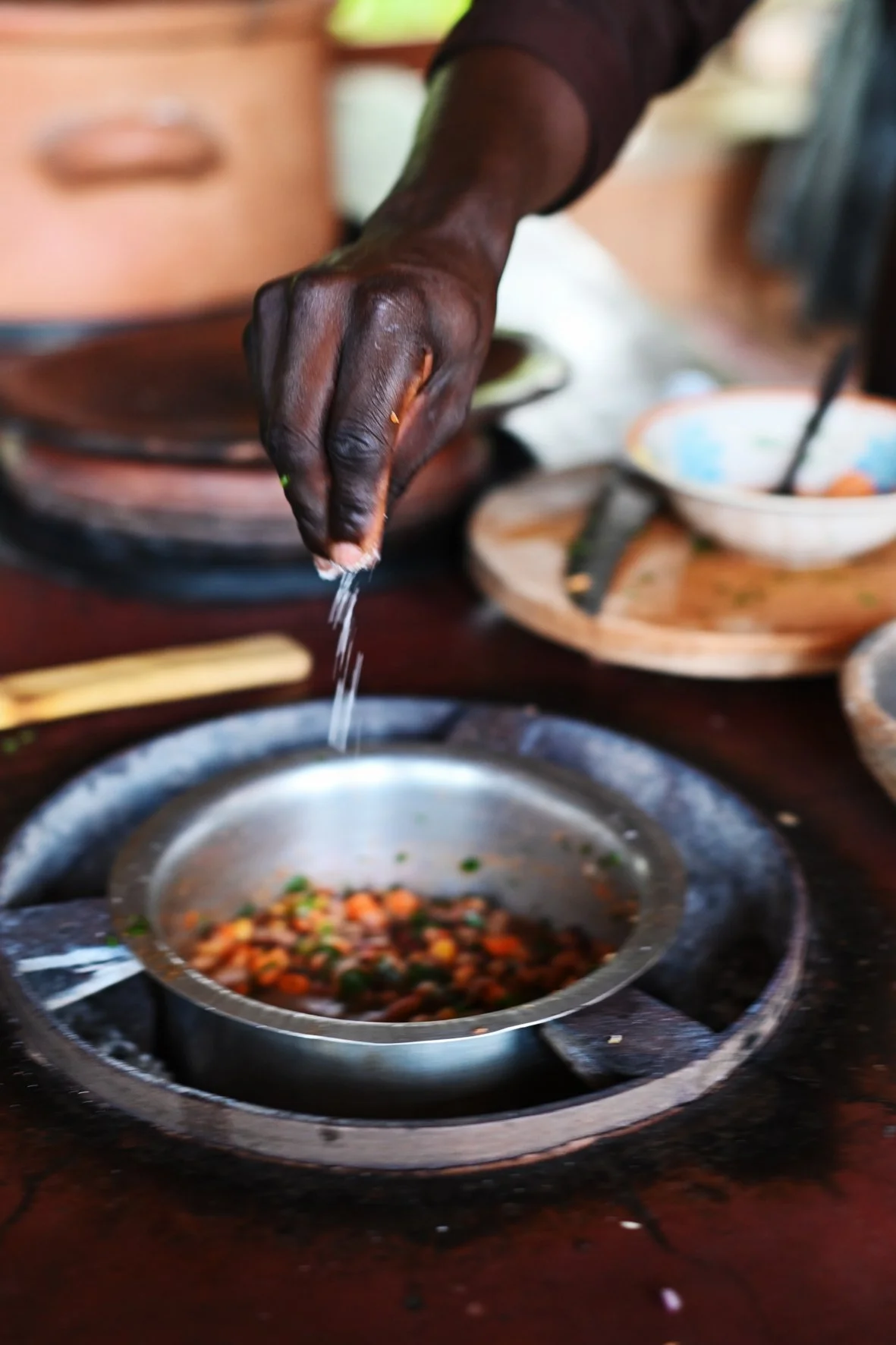
Season with salt and additional VePa spice mix (or your local curry powder) if needed. Cover and simmer gently over a low flame for 15–30 minutes, stirring occasionally to prevent sticking. The longer you allow it simmer the better the taste.
5. Finishing
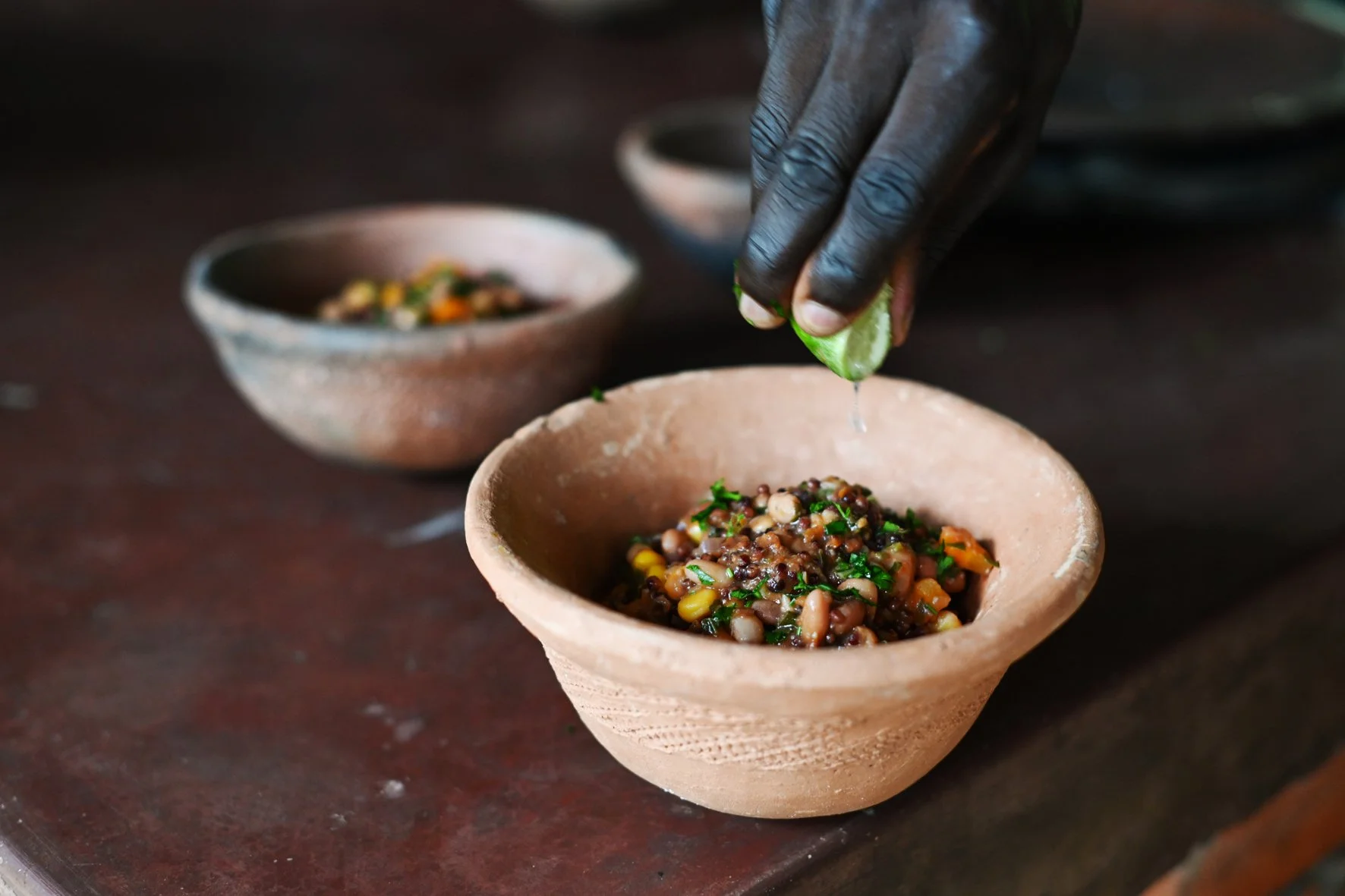
Remove from the heat. Add fresh lemon juice for acidity and that vital touch of freshness, along with the chopped parsley.
Stir gently and serve hot.
Serving suggestions
Serve as a satisfying main meal, accompanied by fresh avocado, seasonal leafy greens or other locally available vegetables.
Nutritional benefits
This dish brings together several important food groups:
Sorghum: Complex carbohydrates, dietary fibre and minerals.
Maize: Carbohydrates for energy.
Beans: Plant-based protein, fibre, iron and folate.
Skuma: Rich in vitamins A, C and K, as well as folate and other beneficial plant compounds.
Tomatoes: Vitamin C and antioxidant compounds.
Carrots: Beta-carotene, which the body converts into vitamin A.
Onions and spring onions: Beneficial plant compounds and flavour.
Lemon juice: Vitamin C, which enhances the absorption of non-haem iron from plant-based foods.
Parsley: Additional vitamins, minerals and antioxidant compounds.
Cooking oil: Dietary fat that supports the absorption of fat-soluble vitamins, including vitamin A.
A closer look: Grains, beans and iron absorption
One of the nutritional strengths of this combination is the way its ingredients complement each other. Grains provide energy and fibre, while beans contribute additional protein, iron and folate.
The addition of tomatoes and fresh lemon juice is particularly interesting. Iron from plant foods, known as non-haem iron, is no^t absorbed as efficiently as iron from animal sources. Vitamin C helps improve its absorption. Combining beans and whole grains with vitamin C-rich ingredients is therefore a simple but valuable way to improve the nutritional quality of plant-based meals.
Why we need recipes like these
Without new ideas on how to prepare African grains, we tend to resort to what we already know. Some people even perceive Western foods as better or more desirable. We've noticed that even Ugandan chefs are not necessarily taught to be creative with their own indigenous and local foods. Instead, they are often trained to prepare Western dishes.
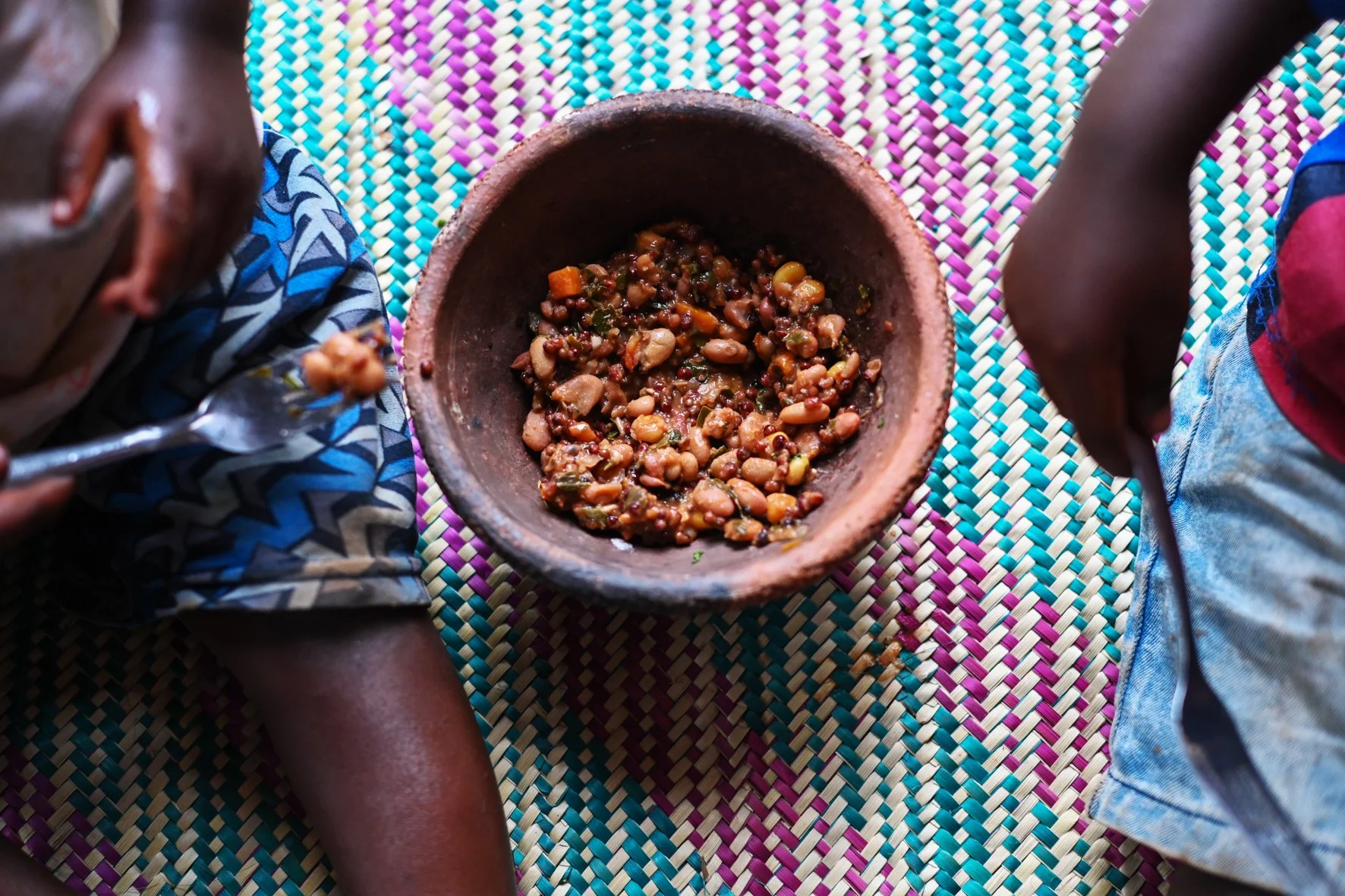
Kids are the best recipe testers, and they love this dish.
For us, change starts with the plate. If we can change what's on the plates, we can slowly start changing demand and, in turn, what is grown. We can create healthier eating habits by starting with children and young people, moving towards a vision of a healthier food system.
Try this recipe, which we know children and adults alike enjoy. And share it with someone who should know about it!